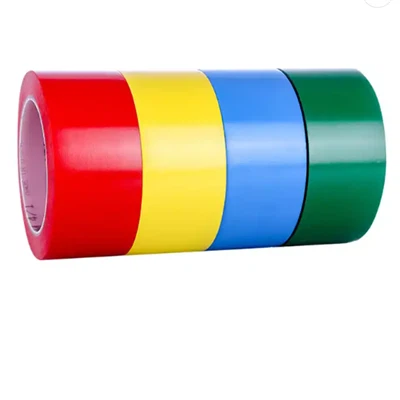
As a supplier of copper tape, I've witnessed firsthand the widespread applications and numerous advantages it offers across various industries. Copper tape is a versatile product, well - known for its excellent electrical conductivity, thermal conductivity, and corrosion resistance. It finds use in electronics for EMI shielding and grounding, in crafts for decorative purposes, and in construction for various sealing and bonding needs. However, like any product, copper tape has its limitations. Understanding these limitations is crucial for both suppliers like me and customers, as it helps in making informed decisions about its usage.
1. Oxidation and Corrosion in Harsh Environments
One of the significant limitations of copper tape is its susceptibility to oxidation. Copper naturally reacts with oxygen in the air, forming a layer of copper oxide over time. This oxidation process can be accelerated in environments with high humidity, high temperatures, or exposure to certain chemicals.
In high - humidity conditions, water molecules in the air can react with copper to form copper hydroxide. For example, in coastal areas where the air is laden with moisture and salt, copper tape can corrode relatively quickly. The salt in the air acts as an electrolyte, speeding up the electrochemical corrosion process. This corrosion can compromise the electrical and thermal conductivity of the copper tape. A study by the National Association of Corrosion Engineers (NACE) showed that in marine environments, copper - based materials can experience a significant reduction in conductivity within a few months of exposure.
When it comes to chemical exposure, acids and alkalis can also cause severe damage to copper tape. For instance, in industrial settings where there are spills of sulfuric acid or sodium hydroxide, the copper tape can be rapidly corroded. This limits its use in chemical processing plants or laboratories where such chemicals are commonly handled.
2. Limited Adhesive Strength in Extreme Conditions
The adhesive used on copper tape is a crucial component that determines its usability in different applications. However, the adhesive strength can be limited under extreme conditions.
In high - temperature environments, the adhesive on copper tape can start to soften and lose its bonding ability. For example, in electronic devices that generate a large amount of heat, such as high - performance computers or industrial power supplies, the adhesive on the copper tape used for EMI shielding may fail over time. This can lead to the tape peeling off, which in turn compromises the shielding effectiveness. A research paper from the Institute of Electrical and Electronics Engineers (IEEE) reported that at temperatures above 100°C, many common adhesives used on copper tape start to degrade, reducing their shear strength by up to 50%.


On the other hand, in extremely cold conditions, the adhesive can become brittle. In cold storage facilities or outdoor applications in winter, the adhesive may crack, causing the copper tape to detach from the surface it is supposed to adhere to. This limits the use of copper tape in low - temperature environments where reliable adhesion is required.
3. Mechanical Durability and Flexibility Constraints
Although copper tape is relatively flexible, it has its limits when it comes to mechanical stress. Repeated bending or stretching can cause the copper layer to crack. In applications where the copper tape is subject to continuous movement, such as in flexible printed circuit boards (FPCBs) that are frequently flexed, the copper layer may develop micro - cracks. These micro - cracks can increase the electrical resistance of the tape, affecting its performance.
Moreover, copper tape has limited resistance to abrasion. In applications where the tape is likely to be rubbed against other surfaces, such as in machinery or equipment with moving parts, the copper layer can wear off. This not only affects the appearance of the tape but also its electrical and thermal properties.
4. Cost - Effectiveness in Large - Scale Applications
Copper is a relatively expensive metal compared to some other conductive materials like aluminum. In large - scale applications, the cost of using copper tape can be a significant limitation. For example, in the construction of large - scale electrical grounding systems, the cost of copper tape can be prohibitive. The price of copper is also subject to market fluctuations, which can make it difficult for customers to budget for projects that require a large amount of copper tape.
In some cases, customers may choose to use alternative materials such as aluminum tape, which is more cost - effective. Aluminum tape has lower electrical conductivity than copper tape, but in applications where high conductivity is not critical, it can be a viable alternative.
5. Thickness and Conductivity Trade - off
The thickness of copper tape is an important factor that affects its conductivity. Generally, thicker copper tape has better electrical and thermal conductivity. However, thicker copper tape also has some limitations.
Thicker copper tape is less flexible, which can be a problem in applications where flexibility is required, such as in wrapping around curved surfaces or in flexible electronics. On the other hand, thinner copper tape, while more flexible, has lower conductivity. This means that in applications where high conductivity is essential, such as in high - power electrical circuits, thinner copper tape may not be suitable.
Conclusion
Despite these limitations, copper tape still remains a valuable product in many industries. Its unique properties make it irreplaceable in certain applications. As a supplier, I understand the importance of helping customers understand these limitations so that they can make the best use of copper tape.
If you are considering using copper tape for your project, it's essential to carefully evaluate your requirements and the limitations of the product. You can explore our range of Conductive Copper Foil Tape | Single Side Copper Tape | EMI Shielding & Grounding Adhesive Tape to find the most suitable option for your needs. If you have any questions or would like to discuss your specific requirements, feel free to contact us for a detailed consultation. We are here to assist you in making the right choice for your project.
References
- National Association of Corrosion Engineers (NACE). "Corrosion in Marine Environments: A Comprehensive Study."
- Institute of Electrical and Electronics Engineers (IEEE). "Performance of Adhesives in High - Temperature Electronic Applications."
- Research on the Trade - off between Thickness and Conductivity of Copper Tape in Flexible Electronics, Journal of Electronic Materials.