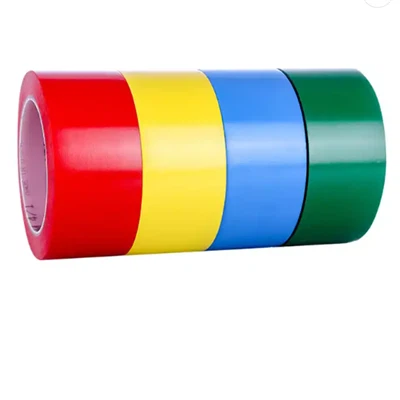
Hey there, fellow crafters, DIY enthusiasts, and all those in need of some reliable tissue tape! As a tissue tape supplier, I've seen firsthand how important it is to store your tape properly. Not only does it keep the tape in good condition, but it also ensures that it'll perform at its best when you need it most. So, let's dive into how you should store tissue tape.
The Basics of Tissue Tape Storage
First off, let's talk about why storage matters. Tissue tape is delicate, and improper storage can lead to a bunch of problems. It can dry out, lose its stickiness, or even get damaged. And trust me, you don't want to reach for your tape only to find it's no good.
Temperature and Humidity
One of the most crucial factors in storing tissue tape is the environment. Temperature and humidity play a huge role. You want to keep your tape in a place where the temperature is stable. Extreme heat can cause the adhesive on the tape to melt or become too soft, making it hard to use. On the other hand, extreme cold can make the tape brittle and break easily.
A good rule of thumb is to store your tissue tape in a room where the temperature stays between 60°F and 80°F (15°C and 27°C). As for humidity, you want to avoid areas that are too damp. High humidity can cause the tape to absorb moisture, which can affect its adhesive properties. Aim for a humidity level between 30% and 60%.
Avoiding Direct Sunlight
Another thing to keep in mind is sunlight. Direct sunlight can be really bad for tissue tape. The UV rays can break down the adhesive and the tape itself over time. So, make sure to store your tape in a dark place or in a container that blocks out the light. A simple cardboard box or a drawer can work great.
Storing Different Types of Tissue Tape
Now, not all tissue tapes are the same. There are single-sided and double-sided tapes, and they might require slightly different storage methods.
Single-Sided Tissue Tape
Single-sided tissue tape is often used for things like gift wrapping, scrapbooking, or attaching paper labels. When storing single-sided tape, you want to keep it rolled up tightly. If the roll start to unwind, it can get tangled and damaged. You can use a small clip or a rubber band to keep the end of the tape in place.
Also, if you have a large roll of single-sided tape, you might want to consider cutting it into smaller sections. This makes it easier to handle and reduces the risk of the tape getting damaged.
Double-Sided Tissue Tape
Double-sided tissue tape is super versatile and is great for crafts, mounting, and precision applications. You can check out Versatile Double-Sided Tissue Tape | Ideal For Crafts, Mounting & Precision Applications for more information on this type of tape.
When storing double-sided tape, you need to be extra careful because the adhesive is exposed on both sides. It's best to keep the tape on its original liner. The liner protects the adhesive and prevents it from sticking to other things. If the liner starts to come off or gets damaged, try to replace it as soon as possible.
You can also store double-sided tissue tape in a flat container to prevent it from curling or bending. A plastic storage box or a small envelope can work well.
Organizing Your Tissue Tape
Once you know how to store your tissue tape properly, it's a good idea to organize it. This makes it easier to find the tape you need when you're in the middle of a project.
Sorting by Type
One way to organize your tape is to sort it by type. Keep single-sided tape in one area and double-sided tape in another. You can also separate tape by its width or adhesive strength. This way, you can quickly find the right tape for the job.
Using Storage Containers
Invest in some good storage containers. You can use plastic bins, storage boxes, or even a tackle box. Label each container so you know what's inside. This not only makes it easier to find your tape but also helps protect it from dust and damage.
Long-Term Storage Tips
If you need to store your tissue tape for a long time, here are some extra tips.
Vacuum Sealing
For really long-term storage, you might want to consider vacuum sealing your tape. This removes all the air from the container, which can help preserve the tape. You can use a vacuum sealer kit or a simple plastic bag with a straw to remove the air.
Checking Regularly
Even if you're storing your tape properly, it's a good idea to check it regularly. Look for any signs of damage, such as drying out, peeling, or discoloration. If you notice any problems, you can take steps to fix them or use the tape before it gets worse.


Conclusion
So, there you have it! Storing tissue tape properly is all about creating the right environment, being careful with different types of tape, and organizing it well. By following these tips, you can make sure your tissue tape stays in great condition and is ready to use whenever you need it.
If you're in the market for some high-quality tissue tape, I'd love to talk to you! Whether you're a small business or a big DIYer, I have the tape solutions you need. Get in touch with me to start a conversation about your tissue tape needs and let's make your projects a success!
References
- General knowledge about tissue tape properties and storage from years of experience as a tissue tape supplier.