Your Professional Polyimide Tape Manufacturer!
STK Tape was founded in 1998 and has been deeply rooted in the adhesive tape industry for over two decades. We specialize in high-performance adhesive solutions for electronics, LED lighting, automotive, medical, energy, aerospace, home appliances, textile, and industrial manufacturing sectors. With continuous innovation and a customer-focused mindset, we have become a trusted partner globally.Our factories integrate R&D, production, testing, and customization, supporting large-scale OEM/ODM projects with fast delivery and flexible capacity.
-
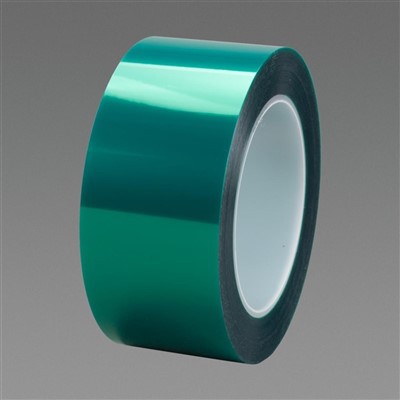
![High-Temperature Ultra-Thin Double-Sided Polyimide Film Tape (0.025mm - 0.075mm)]() High-Temperature Ultra-Thin Double-Sided Polyimide Film Tape (0.025mm - 0.075mm)The double-sided polyimide film tape is an engineering-grade adhesive solution designed for the most demanding applications. With a ultra-thin thickness range from a precise 0.025mm (1 mil) to a
High-Temperature Ultra-Thin Double-Sided Polyimide Film Tape (0.025mm - 0.075mm)The double-sided polyimide film tape is an engineering-grade adhesive solution designed for the most demanding applications. With a ultra-thin thickness range from a precise 0.025mm (1 mil) to a -
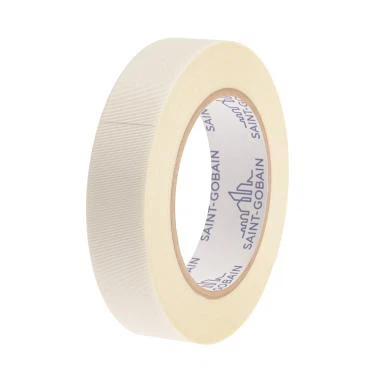
![High Temperature Polyimide Tape | Heat Resistant PI Insulation Tape | PCB Protection, Lithium Battery & Aerospace Electronics]() High Temperature Polyimide Tape | Heat Resistant PI Insulation Tape | PCB Protection, L...High Temperature Polyimide Tape is made from polyimide film coated with high temperature resistant silicone or acrylic adhesive. It provides excellent thermal stability (-269°C to +260°C),
High Temperature Polyimide Tape | Heat Resistant PI Insulation Tape | PCB Protection, L...High Temperature Polyimide Tape is made from polyimide film coated with high temperature resistant silicone or acrylic adhesive. It provides excellent thermal stability (-269°C to +260°C),


Why Choose Us?
Advanced Equipment
STK Tape owns four modern production bases covering over 600,000 square meters, equipped with advanced clean rooms, high-precision coating lines, slitting machines, and state-of-the-art die-cutting facilities.
OEM/ODM
We provide a comprehensive portfolio of high-performance adhesive tape products and customized solutions to meet diverse industrial needs. Our offerings include world-renowned brands such as 3M, Nitto, and TESA original tapes, as well as precision-converted solutions tailored to customer requirements.
Production Market
STK exports to over 80 countries, and our products are widely recognized by global electronics, automotive, medical, and LED lighting manufacturers. We serve both multinational corporations and emerging local brands.
Our Certifications
We are certified with ISO 9001 and ISO 14001, ensuring that our products consistently meet global quality management and environmental protection standards.In addition, our products comply with major international certifications including REACH, RoHS, and UL, providing customers with safe, reliable, and environmentally friendly solutions for diverse industrial applications.
Product Parameters
|
Product Name |
Polyimide Tape |
|
Material |
Polymide |
|
Color |
Gold/dark brown |
|
Thickness |
0.025-0.075mm |
|
Size |
Customized Size |
|
Heat resistant |
-269°C to +260°C |
|
Acrylic adhesive |
Silicone |
|
Elongation rate |
50% |
|
Tensile strength |
>42N/25mm |
|
Peeling force |
>26N/25mm |
Advantages of Polyimide Tape
Extreme Heat Tolerance
Polyimide tape is designed to withstand extreme temperatures. It can resist temperatures ranging from -269°C to over 400°C (-452°F to 752°F). This extraordinary heat tolerance makes it a go-to material in industries where exposure to high temperatures is common, such as aerospace, electronics, and automotive manufacturing.
Electrical Insulation
One of the primary uses of polyimide tape is as electrical insulation. Its excellent dielectric strength and thermal resistance make it ideal for insulating wires and components in high-temperature environments. It ensures that electrical systems remain functional and safe, even when exposed to heat.
Chemical Resistance
Polyimide tape is highly resistant to chemicals and solvents. This property is invaluable in industries where exposure to aggressive chemicals is a concern. It helps protect components, wires, and surfaces from the corrosive effects of various substances, contributing to the durability of equipment and products.
Mechanical Durability
Polyimide tape is not just about temperature resistance; it's also incredibly durable. It can withstand mechanical stress, abrasion, and impact, making it a reliable choice for applications where materials need to endure harsh physical conditions.
Versatility in Applications
The versatility of polyimide tape is another significant advantage. It finds application in various industries, including electronics, automotive, aerospace, and manufacturing. Whether it's used as a masking tape during soldering, an insulating material in electronic components, or a protective layer on high-temperature equipment, it adapts to diverse requirements.
Electrical Insulation: Its superior dielectric strength, thermal stability, and high-temperature resistance make it an ideal material for electrical insulation.
Aerospace and Defense: Polyimide tape is extensively used in aerospace and defense industries. It can withstand extreme environmental conditions such as high temperatures, high pressures, and exposure to space.
Electronics: Polyimide tape is commonly used in the electronics industry. It is used to wrap electronic devices to protect them from high temperatures and voltage.
Automotive: In the automotive industry, polyimide tape is used to prevent cable harness chafing and provide high-temperature resistance
3D Printing: Polyimide tape is commonly applied to the heated bed to allow the printed object to adhere to in 3D printing to create a smooth surface.
Fiber Optics: Polyimide film and tapes are used in the manufacturing of fiber optic cables as a protective layer or binder due to their strength, flexibility, and ability to withstand high temperatures involved in some production steps.
Medical Devices: Certain medical devices require materials that can withstand sterilization processes (like autoclaving, which involves high heat and pressure) and provide reliable insulation in compact designs.

How to Use Polyimide Tapes?
Here is a more detailed guide on how to use polyimide tape effectively:
Surface Preparation
This is perhaps the most critical step for ensuring optimal adhesion. The surface to which the tape will be applied must be clean, dry, and free from any contaminants. This includes oils, grease, dust, dirt, moisture, finger oils, and old adhesive residue.
Cleaning Methods
Depending on the substrate, cleaning can involve wiping with isopropyl alcohol (IPA) or other appropriate solvents, using lint-free cloths. Ensure the solvent fully evaporates before applying the tape.
Substrate Compatibility
Ensure the tape’s adhesive is compatible with the substrate material. While silicone adhesive has broad compatibility, specific plastics or coatings might react differently.
Temperature
Ideally, apply the tape at room temperature unless specified otherwise. Applying tape in very cold or hot conditions can affect initial tack and ultimate bond strength.
Application Technique
Handling: Handle the tape by the edges to avoid transferring oils or contaminants from your fingers to the adhesive surface.
Placement: Carefully position the tape on the desired area. For masking applications, precise alignment is crucial.
Application Pressure: Apply firm, even pressure across the entire surface of the tape after positioning it. This ensures maximum contact between the adhesive and the substrate, allowing the adhesive to properly wet out the surface. Using a squeegee, roller, or application tool can help achieve uniform pressure, especially for wider tapes or larger areas.
Avoiding Bubbles/Wrinkles: Apply the tape smoothly to prevent trapping air bubbles or creating wrinkles, which can compromise adhesion and lead to issues like bleed-under during masking or reduced dielectric strength in insulation applications. Applying from one end and progressively pressing down is often effective.
Edge Sealing (Masking): For critical masking applications (like solder masking or powder coating), pay special attention to pressing down the edges of the tape very firmly. This creates a seal that prevents solder, coating powder, or chemicals from creeping underneath the tape border.
Exposure to Conditions: Once applied, the tape is ready to undergo the intended process (e.g., wave soldering, baking, coating). Ensure the tape is rated for the specific temperature and duration it will be exposed to.
Removal
Cooling: If the tape has been exposed to high temperatures, allow the part to cool down sufficiently before attempting removal. Removing tape while hot can increase the likelihood of adhesive residue or film tearing.
Angle and Speed: Peel the tape back slowly and steadily, ideally at a low angle (135-180 degrees relative to the surface). Avoid pulling straight up or yanking quickly, which can shock the adhesive bond and potentially cause residue or damage the substrate.
Residue: Silicone adhesives, especially after high-temperature exposure, can sometimes leave residue. If residue occurs, it can often be removed using appropriate solvents (like IPA, acetone, or commercial adhesive removers), taking care not to damage the underlying substrate. Testing solvents in an inconspicuous area first is advisable.
Storage: Store polyimide tape rolls in their original packaging in a cool, dry place, away from direct sunlight and extreme temperatures. Proper storage helps maintain the adhesive’s shelf life and performance.

Packaging and Shipping
Packaging
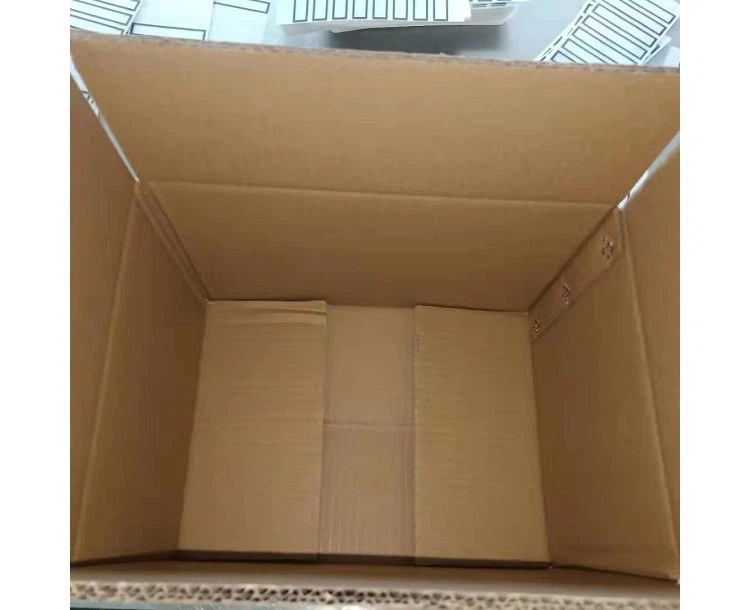
Inner packaging is plastic bags, outer packaging is cartons, and can also be packaged according to customer requirements.
Shipping
Sea or air freight according to your requirements.

FAQ
We're professional polyimide tape manufacturers and suppliers in China, specialized in providing high quality products and service. We warmly welcome you to wholesale customized polyimide tape from our factory.
Popular Products