Your Professional Brand Tape Manufacturer!
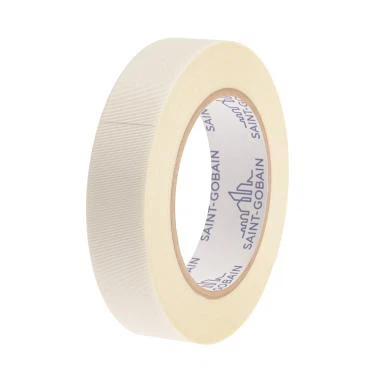
STK Tape provides high-quality brand adhesive tapes from globally recognized manufacturers such as Tesa, Nitto, Scapa, Sekisui, and Saint-Gobain. Brand tapes are widely trusted in industries including electronics assembly, automotive manufacturing, insulation, and industrial bonding. With stable quality and advanced adhesive technology, these tapes deliver consistent performance in demanding applications. At STK Tape, we help customers source reliable industrial adhesive tape solutions from leading global tape brands.
-
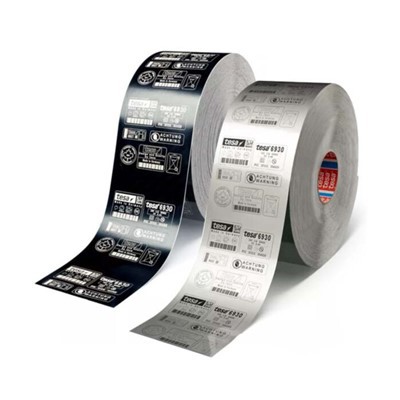
![Tesa 6930 Laser Markable Tape | Tamper-Evident Asset Tags & VIN Plates - STK]() Tesa 6930 Laser Markable Tape | Tamper-Evident Asset Tags & VIN Plates - STKSource tesa 6930 laser markable tape for automotive VIN plates and industrial asset tags. Tamper-evident, chemical resistant, and heat stable up to 250℃. Custom laser marking & die-cutting services
Tesa 6930 Laser Markable Tape | Tamper-Evident Asset Tags & VIN Plates - STKSource tesa 6930 laser markable tape for automotive VIN plates and industrial asset tags. Tamper-evident, chemical resistant, and heat stable up to 250℃. Custom laser marking & die-cutting services -
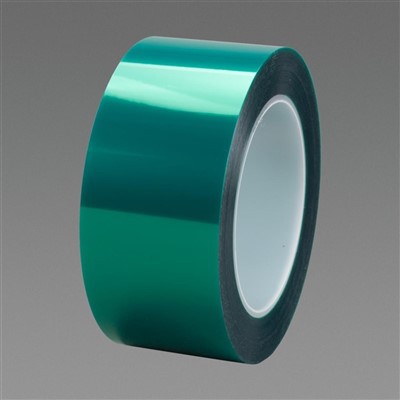
![SABIC Lexan™ FR700 Film | UL94 V-0 Rated, High-Performance Flame Retardant Polycarbonate For Electrical Insulation]() SABIC Lexan™ FR700 Film | UL94 V-0 Rated, High-Performance Flame Retardant Polycarbonat...SABIC Lexan™ FR700 is a premium, flame-retardant polycarbonate (PC) film engineered to deliver maximum safety and performance in demanding electrical applications. This black film features a unique
SABIC Lexan™ FR700 Film | UL94 V-0 Rated, High-Performance Flame Retardant Polycarbonat...SABIC Lexan™ FR700 is a premium, flame-retardant polycarbonate (PC) film engineered to deliver maximum safety and performance in demanding electrical applications. This black film features a unique -
![CHR 2975-8R Reinforced Silicone Coated Fabric Tape: Extreme Protection For Thermal Spray & Grit Blasting Processes]() CHR 2975-8R Reinforced Silicone Coated Fabric Tape: Extreme Protection For Thermal Spra...CHR 2975-8R is a premium, heavy-duty masking tape engineered from a durable silicone rubber-impregnated fiberglass cloth backing, coated with a high-temperature, pressure-sensitive silicone adhesive.
CHR 2975-8R Reinforced Silicone Coated Fabric Tape: Extreme Protection For Thermal Spra...CHR 2975-8R is a premium, heavy-duty masking tape engineered from a durable silicone rubber-impregnated fiberglass cloth backing, coated with a high-temperature, pressure-sensitive silicone adhesive. -
![Tesa® ACXplus 7065 | High-Adhesion Acrylic Foam Tape For Hard-to-Bond Materials]() Tesa® ACXplus 7065 | High-Adhesion Acrylic Foam Tape For Hard-to-Bond MaterialsThe tesa® ACXplus 7065 is a 1200 µm thick, double-sided black acrylic foam tape engineered to deliver exceptional adhesion on hard-to-bond substrates such as powder coatings and various plastics. As
Tesa® ACXplus 7065 | High-Adhesion Acrylic Foam Tape For Hard-to-Bond MaterialsThe tesa® ACXplus 7065 is a 1200 µm thick, double-sided black acrylic foam tape engineered to deliver exceptional adhesion on hard-to-bond substrates such as powder coatings and various plastics. As -
![Tesa® ACXplus 7063 | High-Performance Acrylic Foam Tape For Hard-to-Bond Materials]() Tesa® ACXplus 7063 | High-Performance Acrylic Foam Tape For Hard-to-Bond MaterialsThe tesa® ACXplus 7063 is a premium, high-performance acrylic foam tape engineered to create strong, permanent bonds on challenging substrates that are notoriously difficult for conventional
Tesa® ACXplus 7063 | High-Performance Acrylic Foam Tape For Hard-to-Bond MaterialsThe tesa® ACXplus 7063 is a premium, high-performance acrylic foam tape engineered to create strong, permanent bonds on challenging substrates that are notoriously difficult for conventional -
![Tesa® 70499 Bond & Detach® Double-Sided Mounting Tape | Strong, Removable White Adhesive]() Tesa® 70499 Bond & Detach® Double-Sided Mounting Tape | Strong, Removable White AdhesiveThe tesa® 70499 Bond & Detach® is a 1000µm (1.0 mm) thick, double-sided white foam tape that delivers a unique combination of high-strength permanent mounting and remarkably easy, clean removal. It
Tesa® 70499 Bond & Detach® Double-Sided Mounting Tape | Strong, Removable White AdhesiveThe tesa® 70499 Bond & Detach® is a 1000µm (1.0 mm) thick, double-sided white foam tape that delivers a unique combination of high-strength permanent mounting and remarkably easy, clean removal. It -
![NITTO 923S | High-Strength, High-Temperature Silicone Adhesive Tape On Reinforced Orange PTFE Film]() NITTO 923S | High-Strength, High-Temperature Silicone Adhesive Tape On Reinforced Orang...The NITTO 923S is a premium-grade, single-sided adhesive tape engineered for the most demanding industrial applications. It is constructed from a specially reinforced, high-strength orange-colored
NITTO 923S | High-Strength, High-Temperature Silicone Adhesive Tape On Reinforced Orang...The NITTO 923S is a premium-grade, single-sided adhesive tape engineered for the most demanding industrial applications. It is constructed from a specially reinforced, high-strength orange-colored -
![Tesa 52330 380 µm Double-Sided Cloth Plate Mounting Tape For Flexographic Printing]() Tesa 52330 380 µm Double-Sided Cloth Plate Mounting Tape For Flexographic PrintingTesa 52330 is a high-performance double-sided cloth plate mounting tape with a thickness of 380 µm, specially designed for flexographic printing plate mounting in corrugated postprint applications.
Tesa 52330 380 µm Double-Sided Cloth Plate Mounting Tape For Flexographic PrintingTesa 52330 is a high-performance double-sided cloth plate mounting tape with a thickness of 380 µm, specially designed for flexographic printing plate mounting in corrugated postprint applications. -
![TESA® 51966 Sustainable Double-Sided PET Tape | Eco-Friendly Transparent Bonding Solution With 90% PCR Content]() TESA® 51966 Sustainable Double-Sided PET Tape | Eco-Friendly Transparent Bonding Soluti...The TESA® 51966 is an innovative double-sided transparent PET film tape featuring a 200µm thick backing composed of 90% post-consumer recycled (PCR) PET content, combined with high-performance
TESA® 51966 Sustainable Double-Sided PET Tape | Eco-Friendly Transparent Bonding Soluti...The TESA® 51966 is an innovative double-sided transparent PET film tape featuring a 200µm thick backing composed of 90% post-consumer recycled (PCR) PET content, combined with high-performance -
![TESA® 7475 Test Tape | Acrylic Adhesive Test Tape For Release Liner Characterization]() TESA® 7475 Test Tape | Acrylic Adhesive Test Tape For Release Liner CharacterizationTESA® 7475 is a specialized test tape featuring a precise acrylic adhesive system on a stable carrier, specifically designed for evaluating the release properties and curing degree of silicone
TESA® 7475 Test Tape | Acrylic Adhesive Test Tape For Release Liner CharacterizationTESA® 7475 is a specialized test tape featuring a precise acrylic adhesive system on a stable carrier, specifically designed for evaluating the release properties and curing degree of silicone -
![TESA® 4959 Double-Sided Translucent Non-Woven Tape | Premium Acrylic Adhesive For Industrial Assembly]() TESA® 4959 Double-Sided Translucent Non-Woven Tape | Premium Acrylic Adhesive For Indus...The TESA® 4959 is a premium double-sided translucent non-woven tape featuring a 100µm thick carrier with high-performance acrylic adhesive on both sides. This specialized construction provides
TESA® 4959 Double-Sided Translucent Non-Woven Tape | Premium Acrylic Adhesive For Indus...The TESA® 4959 is a premium double-sided translucent non-woven tape featuring a 100µm thick carrier with high-performance acrylic adhesive on both sides. This specialized construction provides -
![TESA® 4962 Double-Sided Non-Woven Acrylic Tape | High-Performance Mounting & Splicing Solution]() TESA® 4962 Double-Sided Non-Woven Acrylic Tape | High-Performance Mounting & Splicing S...The TESA® 4962 is a premium double-sided industrial tape featuring a durable non-woven carrier and a highly tackified acrylic adhesive system. This specialized construction delivers exceptional
TESA® 4962 Double-Sided Non-Woven Acrylic Tape | High-Performance Mounting & Splicing S...The TESA® 4962 is a premium double-sided industrial tape featuring a durable non-woven carrier and a highly tackified acrylic adhesive system. This specialized construction delivers exceptional


Global Brand Adhesive Tapes Offering Stable Quality And Proven Industrial Performance
Why Choose Us?
Advanced Equipment
STK Tape owns four modern production bases covering over 600,000 square meters, equipped with advanced clean rooms, high-precision coating lines, slitting machines, and state-of-the-art die-cutting facilities.
OEM/ODM
We provide a comprehensive portfolio of high-performance adhesive tape products and customized solutions to meet diverse industrial needs. Our offerings include world-renowned brands such as 3M, Nitto, and TESA original tapes, as well as precision-converted solutions tailored to customer requirements.
Production Market
STK exports to over 80 countries, and our products are widely recognized by global electronics, automotive, medical, and LED lighting manufacturers. We serve both multinational corporations and emerging local brands.
Our Certifications
We are certified with ISO 9001 and ISO 14001, ensuring that our products consistently meet global quality management and environmental protection standards.In addition, our products comply with major international certifications including REACH, RoHS, and UL, providing customers with safe, reliable, and environmentally friendly solutions for diverse industrial applications.
Advantages of Brand Tape
Enhanced Brand Visibility
Every package shipped is a chance to market your brand. Brand tapes carry your logo, company name, or message across countless touchpoints—warehouses, shipping trucks, delivery hubs, and finally, your customer’s doorstep.
Professional and Trustworthy Image
Unbranded packaging can feel generic or even suspicious to customers. In contrast, brand tapes instantly signal professionalism and authenticity. Customers receiving a neatly sealed package with custom-printed tape know it’s from a reliable source.
Improved Product Security
Tamper-proof packaging is vital, especially for valuable, fragile, or confidential products. Brand tapes serve as a security seal—Any attempt to open the box is immediately visible.
Customisation Flexibility
One of the greatest benefits of brand tapes is flexibility. Businesses can choose from different tape widths, materials (such as BOPP or paper-based tapes), and designs to align with their branding.
Stronger Customer Experience
A thoughtfully packaged product wrapped in brand tapes makes unboxing more exciting for customers. It conveys care, attention to detail, and a sense of value.
Operational Efficiency
Beyond aesthetics, brand tapes offer functional advantages. High-quality custom tapes provide excellent adhesion, reducing the need for double-taping or additional packaging materials.
Applications of Brand Tape
Apparel Industry
The apparel industry stands as one of the largest consumers of tapes globally. Tapes are integral in enhancing the durability, comfort, and functionality of garments. Key applications include:
Stay Tapes: These are used to reinforce fabrics, providing additional strength to areas like straps and eyelets, ensuring the garment maintains its shape and structure.
Seam Tapes: Applied to seams, these tapes prevent water penetration, making garments waterproof and suitable for various weather conditions.
Seam Reinforcement Tapes: These tapes offer extra strength to seams, ensuring the garment withstands stress and wear over time.
Appliance Industry
In the appliance sector, tapes serve as protective wraps, shielding products from scratches, dust, and other potential damages during transportation. Given the varying environmental conditions appliances are subjected to, tapes used here are designed to withstand heat, cold, and moisture, ensuring the products reach consumers in pristine condition.

Aviation Industry
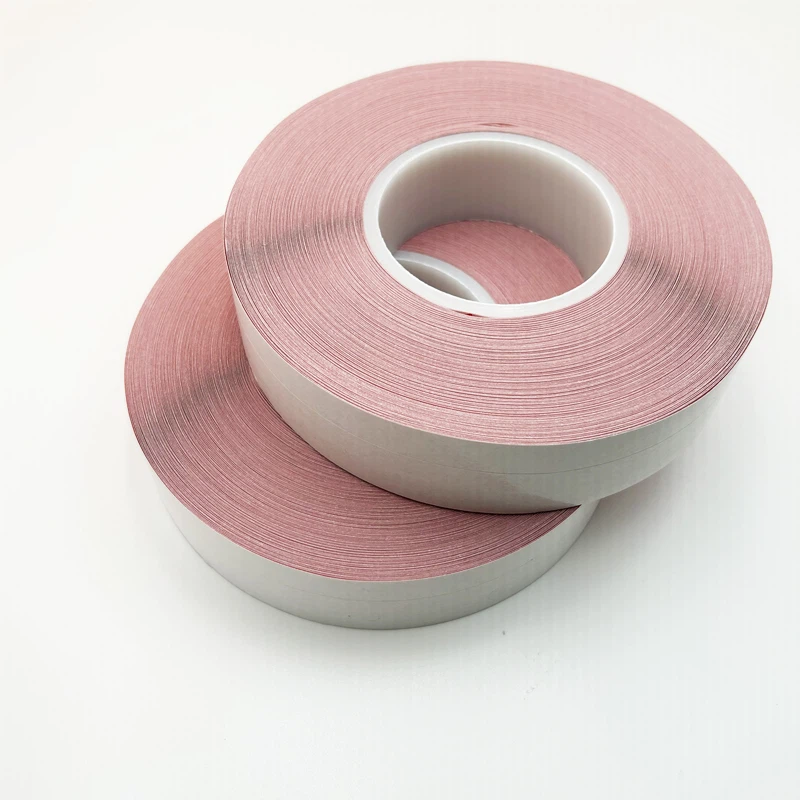
Aerospace applications demand materials that can endure extreme conditions. Tapes with silicone adhesives and polyester films are employed in the construction of aircraft components, such as wings and fuselages.
Automotive Industry
In automotive manufacturing, tapes are utilized for various purposes, including bonding, sealing, and insulation. They play a crucial role in enhancing the vehicle’s aerodynamics, reducing noise, and improving fuel efficiency. Additionally, tapes are used in the interior assembly of vehicles, providing aesthetic finishes and ensuring components remain securely in place.
Electronics Industry
Electronics manufacturing relies heavily on specialized tapes for insulation, bonding, and protection of sensitive components. Tapes are used to secure wires, prevent short circuits, and shield components from environmental factors like moisture and dust.
Medical Industry
In the medical field, tapes are essential for securing dressings, monitoring devices, and other medical instruments to patients’ skin. Medical tapes are designed to be hypoallergenic and breathable, ensuring patient comfort while preventing infections. They also play a role in surgical procedures, providing secure adhesion without compromising skin integrity.
Construction Industry
Tapes in construction serve multiple functions, from sealing joints and seams to insulating and protecting surfaces. Foam tapes, for instance, are used for gasketing, weather stripping, and vibration damping, contributing to the building’s energy efficiency and structural integrity.
Packaging Industry
While often considered the primary domain of tapes, the packaging industry continues to evolve with advancements in tape technology. Specialized tapes are now used for tamper-evident sealing, branding, and ensuring the safety of products during transit.

Material of Brand Tape
Adhesive Materials
The adhesive is the heart of any tape, responsible for its sticking power. Different types of adhesives are used depending on the tape's intended use.
Acrylic Adhesives
Acrylic adhesives are widely used in tape manufacturing due to their excellent adhesion, durability, and resistance to aging, UV light, and chemicals. They offer strong bonding on a variety of surfaces, including metals, plastics, glass, and wood.
Rubber - Based Adhesives
Rubber - Based adhesives are known for their flexibility and immediate tack. They can form a strong bond quickly, making them suitable for applications where a fast - sticking tape is required. These adhesives work well on irregular surfaces and are commonly used in packaging, masking, and general - purpose taping.
Silicone Adhesives
Silicone adhesives offer unique properties such as high - temperature resistance, flexibility, and biocompatibility. They can withstand extreme temperatures, ranging from - 60°C to over 200°C, making them ideal for applications in the aerospace, automotive, and medical industries.
Backing Materials
The backing is the base layer of the tape that provides support and determines many of the tape's physical properties.
Paper Backings
Paper is a common backing material for tapes, especially in applications where a low - cost and lightweight option is needed.
Plastic Backings
Plastic backings offer a wide range of properties depending on the type of plastic used. Polypropylene (PP) is a lightweight and flexible plastic that is commonly used in packaging tapes. It provides good tear resistance and can be printed on easily, making it suitable for labeling and branding. Polyester (PET) is another popular plastic backing material. It is strong, dimensionally stable, and has excellent resistance to moisture, chemicals, and heat.
Fabric Backings
Fabric - backed tapes are known for their strength, flexibility, and conformability. They can be made from various fabrics such as cotton, polyester, or a blend of both. Fabric - backed tapes are commonly used in applications where the tape needs to be able to stretch and conform to irregular surfaces, such as in sports medicine for taping joints or in the construction industry for sealing and patching.
Release Liners
Release liners are used to protect the adhesive layer of the tape before it is used. They are typically made of paper or plastic and are coated with a release agent to prevent the adhesive from sticking to them.
Paper Release Liners
Paper release liners are cost - effective and commonly used in many types of tapes. They are often coated with silicone to provide a smooth release surface. Paper release liners can be easily removed by hand, making them convenient for end - users.
Plastic Release Liners
Plastic release liners, such as polyethylene (PE) or polypropylene (PP), offer better heat resistance and durability compared to paper release liners. They are often used in tapes that are intended for high - temperature applications or in industrial settings where a more robust release liner is required.
Specialized Materials for Specific Tapes
Foam Materials
Foam tapes are made with a foam backing material, which provides cushioning, insulation, and sealing properties. Foam tapes can be made from various types of foams, such as polyurethane (PU), polyethylene (PE), or neoprene. They are commonly used in applications such as gasketing, soundproofing, and mounting.
Metal Foil Backings
Metal foil backings, such as aluminum or copper, are used in tapes for applications where heat transfer, electromagnetic shielding, or corrosion resistance is required.
Packaging and Shipping
Packaging
Inner packaging is plastic bags, outer packaging is cartons, and can also be packaged according to customer requirements.
Shipping
Sea or air freight according to your requirements.


FAQ
We're professional brand tape manufacturers and suppliers in China, specialized in providing high quality products and service. We warmly welcome you to wholesale customized brand tape from our factory.
Popular Products