Hey there! As a duct tape supplier, I get asked a ton of questions about duct tape and its uses. One of the most common inquiries I've received lately is, "Does duct tape work on wood?" Well, let's dive right in and explore this topic together.
Understanding Duct Tape
First off, let's talk a bit about duct tape. Duct tape is a multi - purpose adhesive tape that's been around for ages. It's famous for its strong adhesive properties and durability. It typically consists of a cloth backing coated with a layer of polyethylene (PE) on one side, which gives it that shiny, waterproof look and feel.
The adhesive on duct tape is designed to stick to a wide range of surfaces. It's used in all sorts of industries, from industrial repair and packaging to simple household fixes. If you're interested in our high - quality PE Coated Cloth Duct Tape that's great for industrial repair, packaging, waterproofing, and sealing, you can check it out here: PE Coated Cloth Duct Tape | Single Side Duct Tape | Industrial Repair, Packaging, Waterproof & Sealing.
How Duct Tape Bonds to Wood
Now, let's get to the main question: does it work on wood? The short answer is yes, duct tape can work on wood, but there are a few factors to consider.
Wood has a porous surface. When you apply duct tape to wood, the adhesive seeps into the tiny pores of the wood. This creates a mechanical bond, where the adhesive gets "locked" into the pores, holding the tape in place. However, the success of this bond depends on the type of wood and its surface condition.
Types of Wood and Their Compatibility
Softwoods
Softwoods like pine, cedar, and spruce are generally more porous than hardwoods. This means that duct tape can adhere quite well to them. The adhesive can penetrate deeper into the pores, creating a stronger bond. For example, if you're using duct tape to temporarily hold together a pinewood frame or to seal a small gap in a cedar box, it should work just fine.
Hardwoods
Hardwoods such as oak, maple, and walnut are denser and have fewer pores. While duct tape can still stick to hardwoods, the bond might not be as strong as on softwoods. The adhesive has fewer pores to grip onto, so it may not hold as firmly. If you're using duct tape on a hardwood surface, you might want to roughen up the surface slightly with sandpaper first. This will create more pores for the adhesive to penetrate, improving the bond.
Surface Condition of the Wood
The condition of the wood's surface also plays a huge role in how well duct tape adheres.


Clean and Dry Wood
If the wood is clean and dry, duct tape will have a much better chance of sticking. Any dirt, dust, or moisture on the wood can prevent the adhesive from making proper contact with the surface. So, before applying duct tape, make sure to clean the wood with a mild detergent and water, and then let it dry completely.
Treated or Painted Wood
Treated wood or wood that has been painted can be a bit tricky. Some wood treatments and paints can create a smooth, non - porous surface that the duct tape may not stick to very well. In these cases, you might need to test a small area first to see if the tape adheres. If it doesn't, you could try sanding the surface lightly to improve adhesion.
Applications of Duct Tape on Wood
Temporary Fixes
Duct tape is great for temporary fixes on wood. For instance, if you have a broken wooden chair leg and you need to hold it together until you can get it properly repaired, duct tape can be a quick solution. Just wrap the tape tightly around the broken area to keep the pieces in place.
Sealing and Insulation
You can also use duct tape to seal gaps in wooden structures. If there are small cracks in a wooden shed or a wooden window frame, applying duct tape can help keep out drafts and moisture. This is especially useful in the winter months when you're trying to keep your home warm.
Labeling and Marking
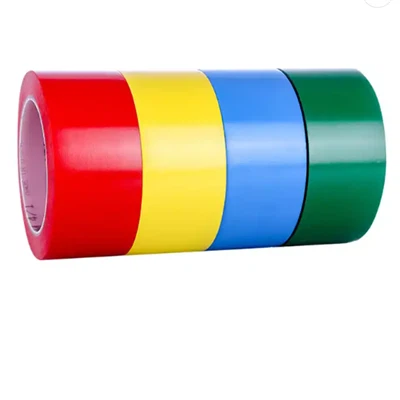
Duct tape comes in a variety of colors, making it perfect for labeling and marking on wood. You can use different colored tapes to mark different sections of a wooden storage unit or to indicate different tools on a wooden tool rack.
Limitations of Using Duct Tape on Wood
While duct tape can be useful on wood, it does have its limitations.
Long - Term Durability
Duct tape is not designed for long - term use on wood. Over time, exposure to sunlight, humidity, and temperature changes can cause the adhesive to break down. The tape may start to peel off, leaving behind a sticky residue on the wood. So, if you need a permanent solution, it's better to use a proper wood glue or other permanent fasteners.
Aesthetics
Let's face it, duct tape doesn't look very pretty on wood. It's a utilitarian tape, not a decor item. If you're looking for a solution that won't detract from the appearance of your wooden surface, duct tape might not be the best choice.
Tips for Using Duct Tape on Wood
- Prepare the Surface: As mentioned earlier, clean and dry the wood before applying the tape. Sand rough surfaces gently to create a better bonding surface.
- Apply Firm Pressure: When applying the tape, make sure to press it firmly onto the wood. This helps the adhesive make better contact with the surface. You can use a roller or your hand to smooth out the tape and remove any air bubbles.
- Cut the Tape Properly: Use a sharp pair of scissors or a utility knife to cut the duct tape. A clean cut will make the tape easier to apply and will ensure a neater look.
Conclusion
So, to sum it up, duct tape can work on wood, especially for temporary fixes, sealing, and marking. However, its effectiveness depends on the type of wood, the surface condition, and the intended use. Whether you're a DIY enthusiast or a professional in the woodworking industry, our PE Coated Cloth Duct Tape can be a great addition to your toolkit.
If you're interested in purchasing our high - quality duct tape for your wood - related projects or any other applications, feel free to get in touch with us to discuss your specific needs. We're always happy to help you find the right tape solution.
References
- "Tape and Adhesive Technology Handbook"
- Various industry reports on duct tape applications