


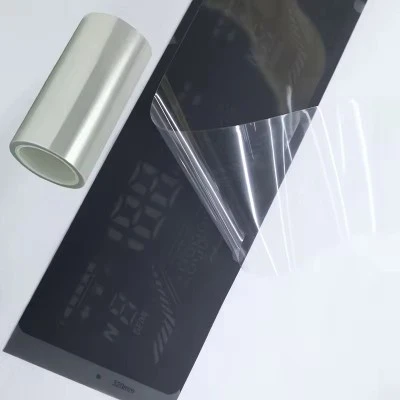

Fish paper, also known as vulcanized fiber paper, has long been a topic of interest in the field of electronic devices. As a supplier of fish paper, I have witnessed firsthand its diverse applications and the growing demand for this unique material. In this blog, we'll explore whether fish paper can be used in electronic devices, examining its properties, advantages, and potential limitations.
Properties of Fish Paper
Fish paper is made from natural cellulose fibers that are processed and vulcanized to create a dense, strong, and flexible material. It has several key properties that make it suitable for various applications, especially in the electrical and electronic industries.
- High Dielectric Strength: One of the most important properties of fish paper is its high dielectric strength. This means it can withstand high voltages without breaking down or conducting electricity. In electronic devices, this is crucial for preventing short - circuits and ensuring the safe operation of components. For example, in transformers, fish paper can be used as an insulation layer between windings to isolate different electrical potentials.
- Good Mechanical Strength: Despite being a paper - like material, fish paper has relatively good mechanical strength. It can be cut, punched, and formed into different shapes without easily tearing or breaking. This makes it convenient for manufacturing processes in electronic device production, where it can be customized to fit specific component designs.
- Chemical Resistance: Fish paper is resistant to many common chemicals, which is beneficial in electronic devices. It can protect components from chemical corrosion and degradation, especially in environments where there may be exposure to solvents or other chemicals.
Applications of Fish Paper in Electronic Devices
Fish paper finds a wide range of applications in electronic devices due to its favorable properties.
- Insulation in Motors: In electric motors, fish paper is commonly used as an insulation material. It can be placed between the motor's coils and the stator or rotor to prevent electrical contact and short - circuits. The high dielectric strength of fish paper ensures that the motor operates efficiently and safely. For example, in small DC motors used in consumer electronics, fish paper can be used to insulate the armature coils, reducing the risk of electrical failures.
- Transformer Insulation: Transformers rely on effective insulation to transfer electrical energy efficiently. Fish paper can be used as inter - layer insulation in transformer windings. It provides electrical isolation between different turns of the coil, reducing eddy current losses and improving the overall performance of the transformer. The flexibility of fish paper allows it to be easily wrapped around the transformer coils during the manufacturing process.
- Printed Circuit Board (PCB) Insulation: In some cases, fish paper can be used as an insulating layer in PCBs. It can be placed between different conductive layers to prevent electrical interference and short - circuits. Although more modern materials like fiberglass - reinforced epoxy are commonly used in high - end PCBs, fish paper can still be a cost - effective option for some low - to medium - power applications.
Advantages of Using Fish Paper in Electronic Devices
There are several advantages to using fish paper in electronic devices.
- Cost - Effectiveness: Compared to some high - performance synthetic insulation materials, fish paper is relatively inexpensive. This makes it an attractive option for manufacturers looking to reduce costs without sacrificing too much in terms of performance. For small - scale electronic device production or applications where cost is a major factor, fish paper can provide a good balance between cost and functionality.
- Ease of Processing: As mentioned earlier, fish paper is easy to cut, shape, and form. This simplifies the manufacturing process of electronic devices. Manufacturers can use standard cutting and punching tools to create the required shapes of fish paper insulation components, reducing the time and cost associated with complex manufacturing processes.
- Environmental Friendliness: Fish paper is made from natural cellulose fibers, which are a renewable resource. It is also biodegradable, making it a more environmentally friendly option compared to some synthetic insulation materials. In an era where environmental concerns are becoming increasingly important, the use of fish paper can be an attractive choice for electronic device manufacturers looking to reduce their environmental impact.
Limitations of Fish Paper in Electronic Devices
While fish paper has many advantages, it also has some limitations.


- Moisture Sensitivity: Fish paper is hygroscopic, meaning it can absorb moisture from the environment. When it absorbs moisture, its dielectric strength and mechanical properties can be significantly reduced. In high - humidity environments or applications where the device may be exposed to moisture, additional protective measures, such as encapsulation or moisture - resistant coatings, may be required.
- Temperature Limitations: Although fish paper can withstand moderate temperatures, it has a relatively low maximum operating temperature compared to some high - performance synthetic insulation materials. In applications where the electronic device generates a lot of heat, such as high - power motors or transformers, fish paper may not be the best choice as it may degrade or lose its insulating properties over time.
Our Offerings as a Fish Paper Supplier
As a fish paper supplier, we are committed to providing high - quality fish paper products that meet the needs of the electronic device industry. Our fish paper is Electrical Insulation Fish Paper | Electrical Grade Fish Paper | Motor & Transformer Insulation Material UL Certified, which means it has been tested and approved to meet certain safety and performance standards.
We offer a variety of fish paper thicknesses and sizes to suit different applications. Whether you need thin fish paper for PCB insulation or thicker paper for motor and transformer insulation, we can provide the right product for you. Our manufacturing process is carefully controlled to ensure consistent quality, and we have a team of experts who can provide technical support and advice on the proper use of fish paper in electronic devices.
Conclusion
In conclusion, fish paper can indeed be used in electronic devices, thanks to its high dielectric strength, good mechanical properties, cost - effectiveness, and ease of processing. It is commonly used in motors, transformers, and PCBs for insulation purposes. However, it also has some limitations, such as moisture sensitivity and temperature limitations, which need to be considered in specific applications.
If you are an electronic device manufacturer or are involved in the design and production of electronic components, and you are looking for a reliable insulation material, we encourage you to consider our fish paper products. Our high - quality, UL - certified fish paper can provide the insulation performance you need at a competitive price. Contact us to discuss your specific requirements and start a procurement negotiation today. We look forward to working with you to meet your electronic device insulation needs.
References
- "Handbook of Electrical Insulating Materials" by J. P. Harney
- "Electrical Insulation Technology" by S. A. Boggs


