


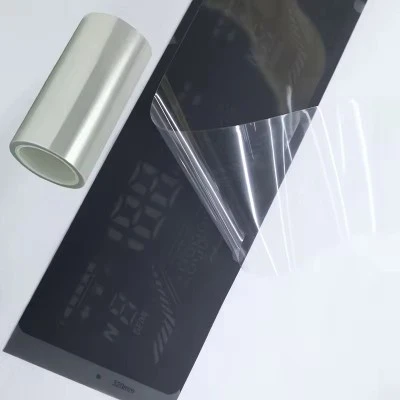

Acrylic foam has emerged as a versatile material with a broad range of applications, and one question that often arises is whether it can be used for electronics. As a leading supplier of acrylic foam products, I am excited to delve into this topic and explore the potential of acrylic foam in the electronics industry.
Properties of Acrylic Foam
Acrylic foam is known for its unique combination of properties that make it suitable for various applications. It offers excellent adhesion, high flexibility, and good resistance to environmental factors such as moisture, temperature, and chemicals. These properties are crucial for electronics, where components need to be securely bonded and protected from external elements.
The adhesion of acrylic foam is one of its most significant advantages. It can bond to a wide variety of substrates, including metals, plastics, and glass, providing a strong and durable connection. This is essential in electronics, where components need to be firmly attached to printed circuit boards (PCBs) or other surfaces to ensure proper functionality and prevent movement or dislodgment.
Flexibility is another important property of acrylic foam. In electronics, components may be subject to mechanical stress or vibration, and the ability of the foam to absorb and distribute these forces can help prevent damage. Acrylic foam can conform to irregular surfaces, allowing for seamless integration with complex electronic designs.


In addition to adhesion and flexibility, acrylic foam also offers good resistance to environmental factors. It can withstand a wide range of temperatures, from extreme cold to high heat, without losing its adhesive properties or structural integrity. This makes it suitable for use in electronics that are exposed to harsh conditions, such as automotive electronics, aerospace applications, and outdoor electronic devices.
Applications of Acrylic Foam in Electronics
The unique properties of acrylic foam make it suitable for a variety of applications in the electronics industry. Some of the common uses of acrylic foam in electronics include:
- Component Mounting: Acrylic foam can be used to mount electronic components, such as capacitors, resistors, and integrated circuits, onto PCBs. The strong adhesion of the foam ensures that the components are securely attached, while its flexibility allows for easy installation and alignment.
- Gasket and Sealing: In electronics, gaskets and seals are used to prevent the ingress of dust, moisture, and other contaminants. Acrylic foam can be used to create gaskets and seals that provide a tight and reliable seal, protecting the electronic components from damage.
- Thermal Management: Heat is a major concern in electronics, as it can affect the performance and reliability of components. Acrylic foam can be used as a thermal interface material (TIM) to transfer heat from the electronic components to a heat sink or other cooling device. The foam's high thermal conductivity and flexibility make it an effective TIM, helping to keep the components cool and functioning properly.
- Display Mounting: In electronic displays, such as LCDs and OLEDs, acrylic foam can be used to mount the display panel to the frame or housing. The foam's adhesion and flexibility ensure that the display panel is securely attached, while its shock-absorbing properties help to protect the panel from damage.
Advantages of Using Acrylic Foam in Electronics
There are several advantages to using acrylic foam in electronics. Some of the key benefits include:
- Strong Adhesion: Acrylic foam provides a strong and durable bond, ensuring that components are securely attached. This helps to prevent movement or dislodgment, which can lead to malfunction or failure.
- Flexibility: The flexibility of acrylic foam allows it to conform to irregular surfaces, making it suitable for use in complex electronic designs. It can also absorb and distribute mechanical stress and vibration, helping to prevent damage to the components.
- Environmental Resistance: Acrylic foam offers good resistance to moisture, temperature, and chemicals, making it suitable for use in harsh environments. It can protect the electronic components from damage caused by these factors, ensuring their long-term reliability.
- Easy Installation: Acrylic foam is easy to install, requiring minimal preparation and tools. This can save time and labor costs during the manufacturing process.
- Cost-Effective: Compared to other bonding and sealing materials, acrylic foam is often more cost-effective. It offers a high level of performance at a reasonable price, making it an attractive option for electronics manufacturers.
3M Acrylic Foam Products for Electronics
As an acrylic foam supplier, we offer a range of high-quality products that are specifically designed for use in electronics. Some of our popular 3M acrylic foam products include:
- 3M™ RT8006 Heat Shrink Tubing: Premium Sealing & Protection: This heat shrink tubing provides excellent sealing and protection for electronic components. It is made of a high-performance acrylic foam material that offers good adhesion, flexibility, and environmental resistance.
- 3M™ Acrylic Foam Tape PX5000 - High-Performance Primerless Bonding For Automotive Exteriors: This acrylic foam tape is designed for high-performance bonding in automotive exteriors. It offers strong adhesion without the need for a primer, making it easy to use and cost-effective.
- 3M™ Acrylic Foam Tape 5344: High-Performance, Viscous Acrylic Foam Tape For Durable Trim Attachment: This acrylic foam tape is ideal for durable trim attachment in electronics. It has a high viscosity that provides excellent adhesion and resistance to shear forces, ensuring a long-lasting bond.
Considerations When Using Acrylic Foam in Electronics
While acrylic foam offers many advantages for use in electronics, there are some considerations that need to be taken into account. These include:
- Outgassing: Some acrylic foam products may release small amounts of volatile organic compounds (VOCs) or other gases over time. This can be a concern in certain electronic applications, such as those where the presence of gases could affect the performance of sensitive components. It is important to choose acrylic foam products that have been tested and approved for use in electronics to minimize the risk of outgassing.
- Electrical Conductivity: In most cases, acrylic foam is an electrical insulator. However, in some applications, such as those where electrical grounding or shielding is required, it may be necessary to use a conductive acrylic foam or to apply a conductive coating to the foam.
- Compatibility: When using acrylic foam in electronics, it is important to ensure that it is compatible with the other materials and components in the system. This includes considering factors such as chemical compatibility, thermal expansion, and mechanical stress.
Conclusion
In conclusion, acrylic foam can be a valuable material for use in electronics. Its unique combination of properties, including strong adhesion, flexibility, environmental resistance, and easy installation, make it suitable for a variety of applications in the electronics industry. As an acrylic foam supplier, we offer a range of high-quality products that are specifically designed for use in electronics, including the 3M™ RT8006 Heat Shrink Tubing, 3M™ Acrylic Foam Tape PX5000, and 3M™ Acrylic Foam Tape 5344.
If you are interested in using acrylic foam in your electronics applications, we would be happy to discuss your specific requirements and provide you with more information about our products. Contact us today to start a conversation about how our acrylic foam solutions can meet your needs and enhance the performance of your electronic devices.
References
- "Acrylic Foam Tapes: Properties and Applications." Adhesives and Sealants Industry Magazine.
- "3M Acrylic Foam Tape Product Catalog." 3M Company.
- "Electronics Manufacturing Handbook." McGraw-Hill Education.


