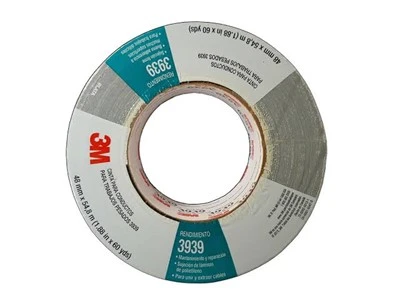
In electrical installation, equipment maintenance, and industrial manufacturing, electrical insulation tape is one of the most fundamental yet critical materials. Choosing the right tape not only affects installation efficiency, but also directly impacts electrical safety and long-term reliability.
As the operations team of the STK independent website, we've combined industry experience with real-world application scenarios to provide a clear and practical overview of the most common types of electrical insulation tapes-helping you make the right choice quickly and confidently.
What Is Electrical Insulation Tape?
Electrical insulation tape (also known as insulated rubber tape or electrical tape) is specifically designed to prevent electrical leakage and provide insulation protection. It is commonly referred to as insulation tape or electrical insulating tape.
Structurally, it consists of two main parts:
Backing material: cotton cloth, synthetic fiber fabric, or plastic films such as PVC
Adhesive layer: primarily rubber-based adhesives combined with tackifying resins, offering strong adhesion and excellent insulating performance
High-quality insulation tapes typically feature:
Reliable dielectric strength
Flame-retardant properties
Good weather and aging resistance
They are widely used for wire splicing, electrical insulation, thermal protection, fixation, and surface protection.

Three Main Types of Electrical Insulation Tape
In practical applications, electrical insulation tapes can generally be divided into three categories:
PVC Electrical Tape
Self-Amalgamating (High-Voltage) Tape
Black Cotton Insulation Tape
Let's take a closer look at each type.

PVC Electrical Tape
PVC electrical tape is the most commonly used and widely recognized type of insulation tape in the market today.
Material & Structure
Backing: Polyvinyl chloride (PVC) film
Adhesive: Pressure-sensitive adhesive evenly coated on the PVC surface
Key Features
Good dielectric strength
Flame-retardant and weather-resistant
Stable adhesion and easy application
Relatively high mechanical strength
Typical Applications
Insulation and wrapping of wires and cables
Insulation fixing for transformers, motors, capacitors, voltage regulators, and other electrical components
Bundling, fastening, overlapping, repairing, sealing, and surface protection in industrial processes
Color Options
Unlike traditional black insulation tape, PVC electrical tape is available in a wide range of colors, including:
red, yellow, blue, white, green, black, and transparent.
These color options are especially useful for phase identification, circuit marking, and standardized electrical installations.

Self-Amalgamating Tape (High-Voltage Tape)
Self-amalgamating tape is a performance-driven insulation solution, commonly used in applications with higher safety requirements.
Material & Performance
Made from rubber compounds blended with oils and fillers, processed through calendering
Excellent self-fusing properties-no adhesive required
Outstanding elasticity and stretchability
Forms a solid, seamless insulation layer after wrapping
Strong sealing performance with excellent waterproof and moisture resistance
Main Applications
Insulation, waterproofing, and sealing of medium- and high-voltage cable joints
Protection, sealing, and repair of pipelines
Practical Considerations
Thanks to its superior waterproofing and insulation performance, self-amalgamating tape often outperforms PVC electrical tape and black cotton tape, even in low-voltage applications.
However:
Its mechanical strength is lower than that of PVC electrical tape
In many real-world installations, the best practice is to use self-amalgamating tape as the inner insulation layer, then wrap PVC electrical tape as an outer protective layer, achieving both high insulation performance and mechanical protection.
Black Cotton Insulation Tape
Black cotton insulation tape is the most traditional and familiar type of electrical tape used in everyday applications.
Material Characteristics
Cotton cloth backing
Manufactured through calendering processes
Good flexibility and wrapping performance
Advantages
Reliable basic insulation performance
Maintains good usability in low-temperature environments
Cost-effective solution
Limitations
Not flame-retardant
Poor waterproof performance
More suitable for non-demanding, general-purpose applications
Common Uses
Basic insulation protection for general wires and cables
Simple fastening and bundling tasks
How to Choose the Right Insulation Tape?
Each type of insulation tape has its own strengths-there is no universally "best" option, only the most suitable one for your application.
For general-purpose use and easy installation: PVC electrical tape
For high insulation and waterproof requirements: Self-amalgamating tape (often combined with PVC tape)
For low-temperature or basic insulation needs: Black cotton insulation tape
Regardless of the type, one principle remains essential:
Always choose safe, reliable, and performance-stable insulation tapes that meet application standards.
This ensures not only construction quality, but also long-term safety for both installers and end users.
STK's Professional Recommendation
As a brand dedicated to industrial adhesive and insulation solutions, STK provides stable, safe, and application-ready electrical insulation tapes designed to meet diverse industrial and international standards.
If you are unsure which insulation tape best fits your application-or if you need a customized solution for specific industries or environments-STK's technical team is ready to support you with professional selection advice and reliable solutions.