


From Structural Integrity to Cabin Comfort: An Essential Guide to Automotive Polymer Bonding
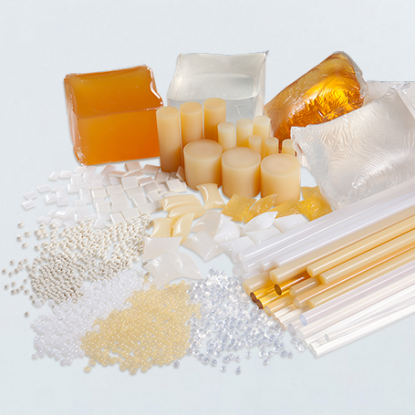
When you sit inside a modern car, you are surrounded by a marvel of chemical engineering. Behind the sleek leather dashboard, inside the quiet cabin, and within the tightly sealed headlamps lies a hidden technology holding it all together: Hot Melt Adhesives (HMAs).
As automotive engineering shifts away from heavy mechanical fasteners like screws and rivets to achieve lightweight, fuel-efficient designs, advanced bonding polymers have taken center stage. This article explores the science behind hot melt adhesives, their main types, and how they function under the hood.
1. What Makes Hot Melt Adhesives Unique?
Unlike household liquid glues or solvent-based adhesives that require hours to dry through evaporation, hot melt adhesives are 100% solid, solvent-free materials. They operate on a simple yet highly engineered principle of thermal transition:
·Instantaneous Bond (Green Strength): When heated to a molten state, they flow smoothly across surfaces. As they cool, they solidify within seconds, creating an immediate, robust bond.
·Environmental Safety: Because they do not rely on evaporating chemical solvents, high-grade hot melts release virtually no Volatile Organic Compounds (VOCs), ensuring cleaner air both inside the factory and within the finished vehicle cabin.
·Material Synergy: Modern cars use highly dissimilar materials-joining hard engineering plastics to steel, or flexible synthetic textiles to composite foams. Hot melts act as a flexible bridge, absorbing the stress when these materials expand and contract at different rates during temperature changes.
2. The Four Key Chemical Families in Automotive Design
A vehicle must endure extreme environments, from desert heat exceeding 90℃ to arctic winters dropping below -40℃. To survive, engineers deploy different polymer families based on the specific molecular properties required:
| Polymer Type | Core Technical Characteristics | Primary Automotive Focus |
| Reactive Polyurethane (PUR) | The Ultimate Thermoset. Applies as a thermoplastic but undergoes a secondary chemical cross-linking reaction with ambient moisture over 24 to 48 hours. Once cured, it will not remelt. | Instrument panels, premium interior skin wrapping, headlamp-to-housing structural seals. |
| Amorphous Poly-alpha-olefin (APAO) | The Moisture Barrier. Offers incredible thermal stability, long open times, and inherent adhesion to low-surface-energy plastics like Polypropylene (PP) without needing chemical primers. | Sound-absorbing insulation mats, door weatherstripping, trunk liner fixation. |
| Hot Melt Pressure Sensitive Adhesives (HMPSA) | The Permanent Tack. These polymers maintain a permanent, pressure-sensitive tackiness even after cooling down to room temperature. | Anti-vibration sheets, wiring harness tapes, door panel vapor barriers. |
| Ethylene-Vinyl Acetate (EVA) | The Rapid Set. Highly economical and ultra-fast setting, though limited by a lower maximum heat threshold (typically softening around 70℃). | Air/cabin filter pleat stabilization, temporary assembly positioning. |
3. High-Performance Applications Across the Vehicle
A. The Cabin Interior: Flawless Aesthetics and Odor Control
The interior cabin demands strict aesthetic perfection-no wrinkles, no bubbles, and absolutely no chemical odors.
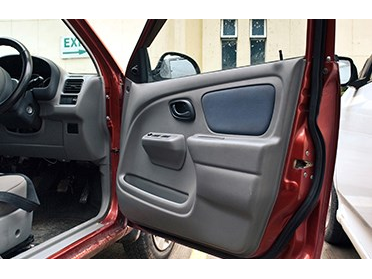
When laminating decorative textiles, genuine leather, or synthetic skins onto the rigid plastic skeletons of dashboards and door pillars, PUR hot melts are favored. Their extreme resistance to "greenhouse heating" (the intense heat built up under a windshield in summer) ensures the materials never peel or delaminate over the vehicle's lifespan.
B. Automotive Lighting: Defying the Elements
Car headlamps and tail-lights face a double-sided thermal challenge: they must withstand intense heat generated by the internal bulb or LED array, combined with freezing external rain or snow.
Specialized PUR formulations seal the outer polycarbonate lens to the main housing. These specific grades are engineered to pass strict low-fogging standards, ensuring the adhesive never releases chemical vapors that could condense and haze the inside of the headlamp lens.
C. NVH (Noise, Vibration, and Harshness) Reduction
A quiet, premium ride relies heavily on acoustic dampening. Sound-absorbing felts and heavy insulation mats are bonded directly inside wheel wells, under carpets, and beneath the roof lining. HMPSAs and polyolefin hot melts are applied via automated spray or slot-die systems to lock these porous materials securely to the car's metal chassis, absorbing structural vibrations and blocking road noise.
D. Weatherproofing and Vapor Barriers
To prevent external rain and moisture from short-circuiting electronics inside the doors, protective plastic membranes (vapor barriers) are sealed to the inner metal door frame. Using a highly elastic HMPSA creates a permanent, water-tight barrier that remains flexible for decades, yet yields cleanly if a technician ever needs to peel it back for a lock or window repair.
4. The Invisible Standards: VOC, FOG, and Odor Tests
Before any hot melt formulation is allowed into a passenger vehicle, it undergoes rigorous chemical testing in laboratory environmental chambers:
·Odor Evaluation: Adhesives are baked at elevated temperatures to ensure they do not emit any pungent or unpleasant smells that alter the "new car smell" or irritate passengers.
·Volatile Organic Compound (VOC) Analysis: Labs measure the exact micro-grams of gaseous emissions released by the adhesive to guarantee compliance with global vehicle interior air quality standards.
·Conclusion
Hot melt adhesives are much more than industrial glues-they are highly specialized polymer networks engineered to withstand high impacts, extreme temperatures, and chemical exposure. As the automotive world charges forward into the era of electric and autonomous vehicles, these silent bonding agents will continue to play a foundational role in making cars lighter, quieter, and safer.


