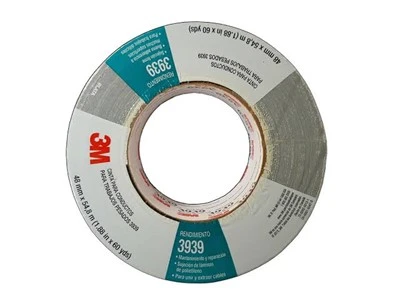
Single-sided adhesive, as a common adhesive material, plays an important role in a wide range of fields due to its simple structure and ease of use. Its diverse application environments depend primarily on the adhesive type, substrate properties, and usage conditions.
Indoors, single-sided adhesive is widely used in office supplies, home decoration, and other fields. For example, sticky notes, wall stickers, and labels are all secured with single-sided adhesive. Its moderate viscosity ensures a secure adhesion while also allowing for easy removal without leaving residue. Furthermore, in electronic device assembly, single-sided adhesive is often used to secure lightweight components such as wires and dust covers, where its heat resistance and insulating properties make it an ideal auxiliary material.
Outdoors, the suitability of single-sided adhesive depends on its weather resistance. Standard acrylic or rubber-based single-sided adhesives are suitable for short-term outdoor use, such as temporary signs and vehicle body stickers. However, their adhesion may deteriorate under prolonged exposure to UV radiation, high temperatures, or humidity. To address these needs, manufacturers often use modified adhesives or add protective coatings to enhance UV resistance, water resistance, and aging resistance, making them suitable for applications such as outdoor advertising and building sealing.
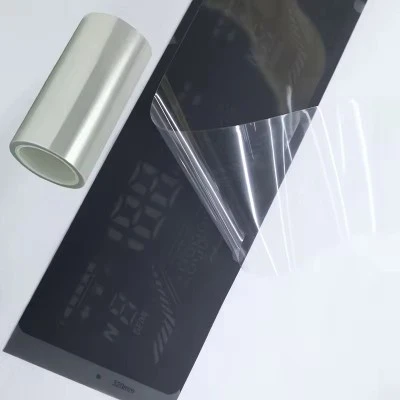
The industrial sector places even stricter demands on single-sided tape. In automotive manufacturing, single-sided tape is used for applications such as securing interior trim and attaching sound insulation materials, requiring high bond strength and vibration resistance. The electronics industry relies on its precise adhesion, such as for applications like circuit board protective films and screen mounting, requiring a thin and uniform adhesive layer to avoid impacting device performance.
In short, single-sided tape has a wide range of applications, but its performance must be tailored to the specific environment. When selecting a tape, consider its adhesion, temperature and humidity resistance, and lifespan to ensure optimal performance.