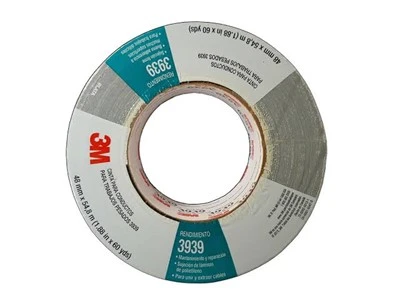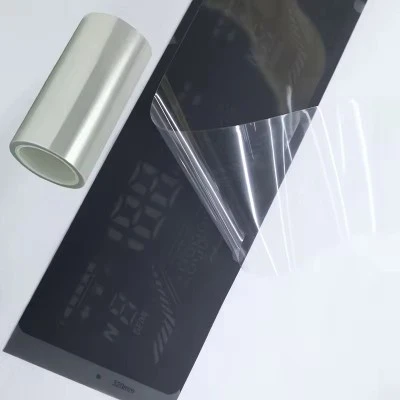
Foam tape is a widely used adhesive material in electronics, automotive, construction, and other fields. Its performance directly impacts product quality and reliability. Therefore, establishing and enforcing unified standards is crucial to ensuring the quality of foam tape.
Implementation standards for foam tape typically cover multiple aspects, including materials, performance, and testing methods. Internationally, common standards include those from ISO (International Organization for Standardization) and ASTM (American Society for Testing and Materials), while domestic standards primarily refer to GB (National Standard) and industry standards such as SJ/T (Electronics Industry Standard) or QC/T (Automotive Industry Standard). These standards clearly define key foam tape specifications such as base material type (e.g., PE, PU, EVA), thickness, adhesion, temperature resistance, and tensile strength.
In terms of performance requirements, initial tack, holding tack, and peel strength are key testing criteria for foam tape. Initial tack influences initial bonding, holding tack determines long-term adhesive stability, and peel strength reflects the force required to separate the tape from the adherend. Temperature resistance, humidity resistance, and aging resistance are also important indicators, especially when used in extreme environments.
Testing method standards, such as GB/T 2792 (peel strength test) and GB/T 4851 (tack test), are also crucial. They ensure that products from different manufacturers can be evaluated comparably under the same conditions. Some high-end applications, such as the electronics industry, may also require foam tapes to comply with environmental standards such as RoHS and REACH, restricting the use of hazardous substances.
In short, the implementation standards of foam tapes are the foundation for ensuring their performance and quality. Companies should strictly adhere to relevant standards during production and ensure product compliance through third-party testing to meet the application requirements of various industries. In the future, with advances in materials science, foam tape standards will continue to be optimized to meet a wider range of technical requirements.