


PTFE tape, also known as Teflon tape, is a versatile and indispensable product in various industrial, commercial, and even household applications. As a PTFE tape supplier, I've had the privilege of witnessing firsthand the remarkable properties and wide - ranging uses of this product. In this blog, we'll delve into the composition of PTFE tape, exploring what makes it such a unique and valuable material.
The Basics of PTFE
PTFE stands for polytetrafluoroethylene. It is a synthetic fluoropolymer of tetrafluoroethylene. This polymer is well - known for its exceptional chemical resistance, low friction coefficient, high melting point, and excellent electrical insulating properties. The chemical formula of PTFE is (C₂F₄)ₙ, where "n" represents the number of repeating units in the polymer chain.
The structure of PTFE is highly symmetric. Each carbon atom in the polymer backbone is bonded to two fluorine atoms. The carbon - fluorine bond is one of the strongest in organic chemistry. This strong bond gives PTFE its outstanding chemical stability, as it resists attack from most chemicals, including strong acids, bases, and organic solvents.
Composition of PTFE Tape
The primary component of PTFE tape is, of course, PTFE resin. The PTFE resin used in tape production is typically in a fine powder form. This powder is then processed through a series of steps to create the tape.
During the manufacturing process, the PTFE powder is first blended with a lubricant. This lubricant helps in the extrusion process, allowing the PTFE to be formed into a continuous shape. Commonly used lubricants include mineral spirits or naphtha. After blending, the mixture is pre - formed into a billet, which is then extruded through a die to form a tube or a rod.
The extruded PTFE is then calendered. Calendering is a process where the PTFE is passed through a series of rollers to reduce its thickness and increase its density. This step is crucial for achieving the desired thickness and smoothness of the tape. The calendering process also helps in aligning the polymer chains in the PTFE, which enhances its mechanical properties.
In some cases, additional additives may be incorporated into the PTFE tape. These additives can be used to modify certain properties of the tape. For example, pigments can be added to give the tape a specific color. Reinforcing agents, such as glass fibers or aramid fibers, can be added to improve the mechanical strength and dimensional stability of the tape, especially in applications where the tape will be subjected to high stress or temperature variations.
Different Types of PTFE Tape Based on Composition
There are various types of PTFE tapes available in the market, each with a slightly different composition to suit different applications.

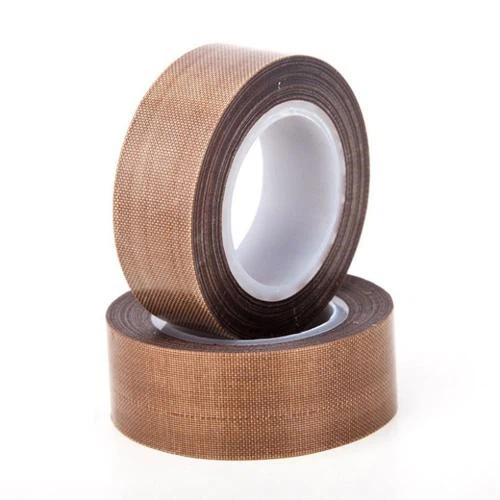
Ultra - Thin PTFE Tape
Ultra - thin PTFE tapes, such as the 0.025mm Pure Teflon Film – Ultra - Thin, High - Performance Fluoropolymer Solution, are made from pure PTFE with no or minimal additives. These tapes are designed for applications where a thin, flexible, and highly chemical - resistant material is required. The ultra - thin nature of these tapes allows them to be used in tight spaces or for applications where a low - profile seal is needed.
Standard Thickness PTFE Tape
Standard thickness PTFE tapes, which typically range from 0.025mm to 0.1mm, are also often made from pure PTFE. The Pure Teflon Film: Ultra - Thin To Standard Thickness (0.025 - 0.1mm) for Extreme Applications falls into this category. These tapes offer a good balance between flexibility and mechanical strength. They are widely used in industrial applications, such as sealing pipes, gaskets, and electrical insulation.
Ultra - Thick PTFE Tape
Ultra - thick PTFE tapes, like the Ultra - Thick 0.18mm Pure PTFE Tape – Heavy - Duty Virgin Teflon for Extreme Heat & Chemical Resistance, are designed for heavy - duty applications. These tapes may contain a higher density of PTFE and may also incorporate reinforcing agents. The thick construction of these tapes provides enhanced durability and resistance to extreme conditions, such as high temperatures and aggressive chemicals.
Applications and the Role of Composition
The unique composition of PTFE tape makes it suitable for a wide range of applications.
In the plumbing industry, PTFE tape is commonly used to seal pipe threads. The low friction coefficient of PTFE allows for easy installation, while its chemical resistance ensures that the tape can withstand contact with various fluids, including water, gas, and chemicals. The composition of the tape, with its pure PTFE base, provides a reliable and long - lasting seal.
In the electrical industry, PTFE tape's excellent electrical insulating properties make it an ideal choice for insulating wires and cables. The high melting point and chemical stability of PTFE ensure that the tape can maintain its insulating performance even in harsh environments.
In the food and beverage industry, PTFE tape is used because of its non - stick and chemical - resistant properties. It can be used in equipment where food contact is involved, as it does not react with food substances and is easy to clean.
Conclusion
The composition of PTFE tape, centered around the remarkable PTFE polymer, gives it a set of properties that are unmatched by many other materials. Whether it's the ultra - thin tapes for delicate applications, standard thickness tapes for general - purpose use, or ultra - thick tapes for heavy - duty environments, the specific composition of each type of tape is tailored to meet the demands of different industries.
If you're in need of high - quality PTFE tape for your specific application, we're here to help. Our extensive range of PTFE tapes, with their carefully engineered compositions, can provide the solutions you're looking for. Contact us to discuss your requirements and explore how our PTFE tapes can be integrated into your projects.
References
- Billmeyer, F. W. (1984). Textbook of Polymer Science. Wiley - Interscience.
- Odian, G. (2004). Principles of Polymerization. Wiley.
- "PTFE: Properties and Applications." Fluorocarbon Products Journal.


