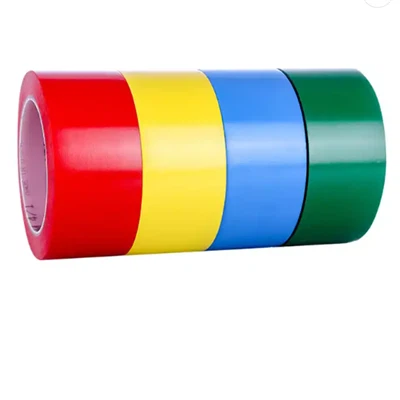
Hey there! As a tissue tape supplier, I often get asked about various aspects of tissue tape, and one question that pops up quite frequently is, "What is the colorfastness of tissue tape?" Today, I'm going to break it down for you in plain English.


First off, let's understand what colorfastness means. Colorfastness refers to the ability of a material to retain its color when exposed to different conditions such as light, water, chemicals, or friction. In the case of tissue tape, it's crucial because you don't want the tape to bleed or fade, especially if you're using it for applications where the appearance matters.
Why Colorfastness Matters in Tissue Tape
Let's say you're a crafter working on a beautiful handmade card or a scrapbooking project. You use tissue tape to attach some delicate embellishments. If the tape isn't colorfast, it could transfer its color onto your project, ruining all your hard work. Or, if you're using tissue tape for mounting photos or documents, a non - colorfast tape might cause discoloration over time, making your precious memories look less than perfect.
In commercial settings, colorfastness is equally important. For example, in the packaging industry, tissue tape is often used for sealing boxes with printed labels. If the tape bleeds or fades, it can make the packaging look unprofessional and may even affect the readability of the labels.
Factors Affecting the Colorfastness of Tissue Tape
1. Dye Quality
The quality of the dyes used in the tissue tape plays a significant role in its colorfastness. High - quality dyes are formulated to resist fading and bleeding. At our company, we source only the best dyes to ensure that our tissue tape maintains its color even under challenging conditions.
2. Exposure to Light
Ultraviolet (UV) light from the sun or artificial sources can cause dyes to break down and fade over time. This is why it's important to store tissue tape in a cool, dark place when not in use. If you're using tissue tape in an area with a lot of sunlight, look for tapes that are specifically designed to be UV - resistant.
3. Contact with Water and Chemicals
Water and certain chemicals can also affect the colorfastness of tissue tape. For instance, if the tape gets wet during shipping or storage, it might start to bleed. Similarly, exposure to cleaning agents or solvents can cause the dyes to dissolve or change color. Our tissue tape is designed to have good resistance to water and common chemicals, but it's still best to avoid unnecessary contact.
4. Friction
Friction can rub off the color from the tape. This is especially relevant if the tape is being used in applications where it will be in constant contact with other surfaces. We've engineered our tissue tape to have a smooth surface that minimizes friction and reduces the risk of color transfer.
Testing the Colorfastness of Tissue Tape
To ensure the quality of our tissue tape, we conduct a series of tests. One of the most common tests is the lightfastness test. We expose the tape to a specific amount of light for a set period and then check for any signs of fading.
We also perform water - resistance tests. We soak the tape in water for a certain time and observe if there's any color bleeding. Chemical - resistance tests involve exposing the tape to different chemicals to see how it reacts.
These tests allow us to guarantee that our tissue tape meets high standards of colorfastness.
Our Colorfast Tissue Tape Offerings
We offer a wide range of tissue tapes with excellent colorfastness. Our Versatile Double - Sided Tissue Tape | Ideal For Crafts, Mounting & Precision Applications is a great example. It's perfect for all sorts of creative projects, from crafting to mounting. The tape has a strong adhesive and, most importantly, maintains its color even after long - term use.
Whether you're a hobbyist or a professional, our tissue tape is designed to meet your needs. It's available in different widths and lengths, so you can choose the one that's right for your project.
How to Choose the Right Tissue Tape for Colorfastness
When you're looking for tissue tape with good colorfastness, here are a few things to keep in mind:
1. Read the Product Description
Manufacturers usually provide information about the colorfastness of their tapes in the product description. Look for terms like "colorfast," "UV - resistant," or "water - resistant."
2. Check for Certifications
Some tapes may have certifications that indicate their colorfastness. These certifications are a good sign that the tape has been tested and meets certain standards.
3. Ask for Samples
If possible, ask the supplier for samples. This way, you can test the tape yourself under your specific conditions and see how it performs in terms of colorfastness.
Conclusion
Colorfastness is an important aspect of tissue tape, especially if you're using it for applications where appearance matters. At our company, we take pride in providing high - quality tissue tape with excellent colorfastness. Whether you're a crafter, a printer, or a packaging professional, our tapes are designed to meet your needs.
If you're interested in learning more about our tissue tape or are looking to make a purchase, don't hesitate to reach out. We're here to help you find the perfect tape for your project. Let's start a conversation and see how we can work together to meet your tissue tape requirements.
References
- Textile Testing Handbook: A Guide to Physical and Chemical Testing of Textile Fibres, Yarns and Fabrics by A. J. Hall
- Handbook of Adhesives and Sealants by John D. Satas