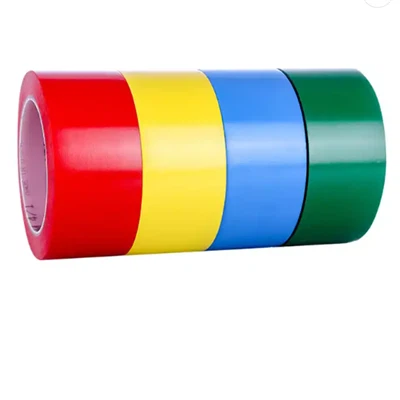
Hey there! As a duct tape supplier, I often get asked about what the adhesive on duct tape is made of. It's a pretty interesting topic, so I thought I'd share some insights with you all.


First off, let's talk about what duct tape is. You've probably seen it around - it's that super - strong, versatile tape that can be used for all sorts of things, from industrial repairs to simple household fixes. It's got a strong backing material, usually a cloth or a plastic film, and that sticky adhesive on one side.
The adhesive on duct tape is a crucial part of its functionality. There are different types of adhesives used in duct tape, and the most common ones are rubber - based and acrylic - based adhesives.
Rubber - Based Adhesives
Rubber - based adhesives have been around for a long time and are still widely used in duct tape. They're made from natural or synthetic rubber. Natural rubber comes from the sap of rubber trees, while synthetic rubber is man - made in a lab.
One of the great things about rubber - based adhesives is their excellent initial tack. That means they stick really well right away when you press the tape onto a surface. They can bond to a wide variety of materials, including metals, plastics, and wood. This makes them super useful in many different applications.
However, rubber - based adhesives do have some drawbacks. They can be affected by heat and sunlight. Over time, exposure to high temperatures can cause the adhesive to soften and become less sticky. Sunlight can also break down the rubber, leading to a loss of adhesion. Also, rubber - based adhesives can leave a residue when you remove the tape, especially if it's been on a surface for a long time.
Acrylic - Based Adhesives
Acrylic - based adhesives are a more modern alternative. They're made from acrylic polymers, which are created through a chemical process. These adhesives have some really cool properties.
For starters, they're extremely resistant to heat and UV light. You can use duct tape with acrylic adhesives outdoors for a long time without worrying about the adhesive breaking down. They also have a very high shear strength, which means they can hold up well under stress. This makes them great for applications where the tape will be under a lot of tension, like in industrial repairs.
Another advantage of acrylic adhesives is that they usually leave little to no residue when removed. This is a big plus, especially when you're using the tape on surfaces where you don't want any sticky mess left behind.
But acrylic - based adhesives also have their limitations. They might not have as high an initial tack as rubber - based adhesives. That means you might need to apply a bit more pressure when you first stick the tape down to get a good bond. Also, they can be more expensive to produce, which can make the duct tape a bit pricier.
Other Factors Affecting Adhesive Performance
It's not just the type of adhesive that matters. There are other factors that can affect how well the adhesive on duct tape works.
The backing material of the duct tape plays a role. If the backing is too thick or too thin, it can impact how the adhesive adheres to a surface. A good backing should be flexible enough to conform to different shapes but also strong enough to support the adhesive.
The surface you're applying the tape to is also crucial. A clean, dry surface will always give you better adhesion than a dirty or wet one. If there's dust, grease, or moisture on the surface, the adhesive might not be able to bond properly.
Now, let's talk about our product range. We offer a great selection of duct tapes with different types of adhesives to suit your needs. One of our popular products is the PE Coated Cloth Duct Tape | Single Side Duct Tape | Industrial Repair, Packaging, Waterproof & Sealing. This tape has a strong PE - coated cloth backing and a high - quality adhesive that provides excellent adhesion and durability. It's perfect for industrial repairs, packaging, and even waterproofing and sealing.
Whether you need a duct tape for a quick household fix or a heavy - duty industrial application, we've got you covered. Our team is always ready to help you choose the right tape for your specific requirements.
If you're interested in our duct tapes or have any questions about the adhesives, don't hesitate to reach out. We'd love to have a chat with you and discuss your needs. You can contact us to start a procurement discussion, and we'll work with you to find the best solution for your project.
In conclusion, the adhesive on duct tape can be made from different materials, each with its own pros and cons. Understanding these can help you choose the right duct tape for your job. So, next time you're reaching for that roll of duct tape, you'll know a bit more about what makes it stick!
References
- "Handbook of Pressure - Sensitive Adhesive Technology" by Donatas Satas.
- Various industry research papers on adhesive technology and duct tape manufacturing.