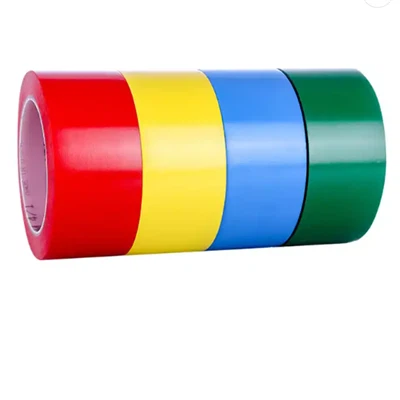
Duct tape is a staple in many industries and households, known for its versatility and strength. As a duct tape supplier, we often get asked about one of its most critical properties: adhesion time. Understanding the adhesion time of duct tape is crucial for making informed decisions about its use in various applications. In this blog post, we'll delve into what adhesion time means, the factors that affect it, and how to maximize the performance of our duct tape products.
What is Adhesion Time?
Adhesion time refers to the duration for which a duct tape can maintain a strong bond to a surface. It's a measure of the tape's ability to stick and hold up under different conditions. This is not just about how quickly the tape adheres upon application; it's about how long it can keep that adhesion intact. For example, in industrial settings where duct tape is used for long - term repairs or installations, a longer adhesion time is essential to ensure the safety and functionality of the equipment.
Factors Affecting Adhesion Time
Surface Type
The type of surface to which the duct tape is applied plays a significant role in its adhesion time. Smooth, clean surfaces like glass or metal generally allow for better initial adhesion and longer adhesion times. The tape can form a more uniform bond with these surfaces, as there are fewer irregularities to disrupt the adhesive contact. On the other hand, porous or rough surfaces such as wood or concrete can pose challenges. The adhesive may seep into the pores of the surface, reducing the amount of adhesive available for bonding, and ultimately shortening the adhesion time.
Environmental Conditions
Temperature and humidity are two major environmental factors that impact adhesion time. High temperatures can cause the adhesive to soften, leading to a loss of adhesion. In extreme heat, the tape may become too pliable, and the bond may weaken or even break. Conversely, low temperatures can make the adhesive brittle, reducing its ability to form and maintain a strong bond.


Humidity also affects adhesion. High humidity can introduce moisture between the tape and the surface, which can interfere with the adhesive's bonding mechanism. Moisture can cause the adhesive to lose its grip over time, especially if the tape is not designed to be waterproof.
Tape Quality
The quality of the duct tape itself is a determining factor in adhesion time. At our company, we use high - grade materials in the production of our duct tapes. The backing material, which provides the tape's structure, and the adhesive, which creates the bond, are carefully selected to ensure optimal performance. High - quality adhesives are formulated to have better adhesion properties and to resist the effects of environmental factors, resulting in longer adhesion times.
Measuring Adhesion Time
There are several methods to measure the adhesion time of duct tape. One common approach is the peel - strength test. In this test, a strip of duct tape is applied to a specific surface under controlled conditions. Over time, the tape is pulled at a constant rate, and the force required to peel it off the surface is measured. A higher peel - strength value indicates a stronger and longer - lasting bond.
Another method is the shear - strength test. Here, the tape is applied to a surface, and a weight is attached to it in a way that creates a shearing force. The time it takes for the tape to fail under this shear force is recorded, which gives an indication of its adhesion time under shear stress.
Maximizing Adhesion Time
Surface Preparation
Proper surface preparation is key to maximizing adhesion time. Before applying the duct tape, the surface should be cleaned thoroughly to remove any dirt, grease, or dust. For smooth surfaces, a mild detergent and water can be used, followed by a dry cloth to ensure the surface is completely dry. For porous surfaces, sanding may be required to create a more uniform surface for better adhesion.
Application Technique
The way the duct tape is applied also affects its adhesion time. It should be applied evenly and with sufficient pressure to ensure full contact between the tape and the surface. Using a roller or a similar tool to apply pressure can help the adhesive spread evenly and form a stronger bond.
Choosing the Right Tape
Selecting the appropriate duct tape for the specific application is crucial. For example, if the application involves high - temperature environments, a heat - resistant duct tape should be chosen. Our PE Coated Cloth Duct Tape | Single Side Duct Tape | Industrial Repair, Packaging, Waterproof & Sealing is designed to provide excellent adhesion in a variety of conditions, including waterproofing and industrial repair applications.
Our Duct Tape Products and Adhesion Time
As a duct tape supplier, we take pride in offering products with long - lasting adhesion. Our duct tapes are engineered to withstand different environmental conditions and surface types. Whether it's for industrial use, such as sealing pipes or repairing equipment, or for household applications like fixing furniture or packaging items, our tapes are designed to provide reliable adhesion over an extended period.
We use advanced manufacturing processes to ensure the consistency and quality of our products. Our research and development team is constantly working on improving the adhesive formula and the backing material to enhance adhesion time and overall performance.
Conclusion
Understanding the adhesion time of duct tape is essential for getting the most out of this versatile product. By considering factors such as surface type, environmental conditions, and tape quality, users can make informed decisions about which duct tape to use and how to apply it for optimal results.
If you're in need of high - quality duct tape with excellent adhesion properties, we're here to help. Our range of duct tape products is designed to meet the diverse needs of our customers. Whether you're a small business owner or a DIY enthusiast, we have the right tape for your application. To learn more about our products or to discuss your specific requirements, please feel free to reach out to us. We're happy to provide you with samples and technical support to ensure you find the perfect duct tape solution.
References
- Kendall, K. (2001). Adhesion and Adhesives: Science and Technology. Imperial College Press.
- Lee, L. H. (Ed.). (2001). Handbook of Adhesives Technology. Springer.