Is duct tape suitable for medical use?
As a duct tape supplier, I often encounter questions about the diverse applications of duct tape. One query that frequently arises is whether duct tape is suitable for medical use. In this blog, we'll explore this topic from multiple scientific and practical perspectives.
The Composition and Properties of Duct Tape
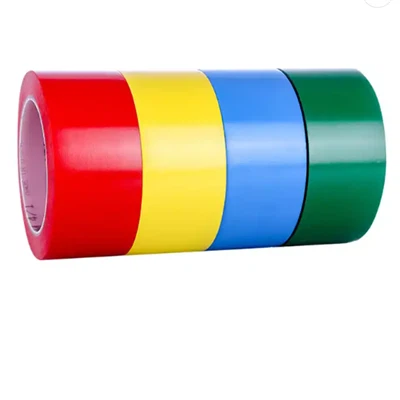
Duct tape typically consists of a fabric backing coated with a layer of adhesive. The fabric can be made of materials like cotton or polyester, and the adhesive is designed to provide strong adhesion. For instance, our PE Coated Cloth Duct Tape | Single Side Duct Tape | Industrial Repair, Packaging, Waterproof & Sealing has a polyethylene - coated cloth backing, which gives it excellent waterproof and durability properties.
Potential Medical Uses of Duct Tape
1. Wound Closure
In some emergency situations where proper medical supplies are not readily available, duct tape has been used as a makeshift wound closure method. The strong adhesive can hold the edges of a small cut or laceration together. However, it's important to note that this is only a short - term solution. Duct tape is not sterile, and using it on an open wound can introduce bacteria, increasing the risk of infection.
2. Removing Warts
There is some scientific evidence suggesting that duct tape can be used to remove warts. The theory behind this is that the tape suffocates the wart and irritates the skin, triggering an immune response. A study published in the Archives of Pediatrics & Adolescent Medicine found that duct tape was more effective than cryotherapy (freezing) in treating warts in children. However, this method requires consistent application over a period of time, usually several weeks.
Risks Associated with Using Duct Tape in Medical Situations
1. Allergic Reactions
The adhesive in duct tape can cause allergic reactions in some people. The chemicals in the adhesive may irritate the skin, leading to redness, itching, and swelling. This is especially true for individuals with sensitive skin.
2. Infection Risk
As mentioned earlier, duct tape is not sterile. When used on open wounds, it can introduce dirt, bacteria, and other pathogens, increasing the likelihood of infection. In a medical setting, proper sterilization is crucial to prevent the spread of disease.
3. Skin Damage
The strong adhesive on duct tape can cause damage to the skin when it is removed. It may pull out hair, cause abrasions, or even tear the skin, especially if the tape has been on for a long time.
Comparison with Medical - Grade Adhesives
Medical - grade adhesives are specifically designed for use in the medical field. They are sterile, hypoallergenic, and formulated to be gentle on the skin. Unlike duct tape, medical adhesives are tested and approved by regulatory authorities to ensure their safety and effectiveness. For example, medical adhesives used in surgical procedures are designed to hold tissues together without causing harm to the patient.
When Duct Tape Can Be Considered
In non - critical, non - medical emergency situations, duct tape can be a useful tool. For example, if you are camping and someone gets a small cut, and you don't have a bandage, using duct tape to temporarily hold the wound closed can be a practical solution until proper medical care is available.
Conclusion
In general, duct tape is not suitable for regular medical use. While it may have some limited applications in emergency situations, the risks associated with its use in a medical context outweigh the benefits. However, in industrial and non - medical settings, duct tape is an extremely versatile and useful product. Our PE Coated Cloth Duct Tape | Single Side Duct Tape | Industrial Repair, Packaging, Waterproof & Sealing is ideal for a wide range of industrial applications, including repair, packaging, and waterproofing.
If you are interested in purchasing high - quality duct tape for your industrial needs, we welcome you to contact us for a detailed discussion. We can provide you with samples and discuss the best solutions for your specific requirements.


References
- Archives of Pediatrics & Adolescent Medicine study on duct tape for wart removal.
- Various medical textbooks on wound care and adhesive properties.