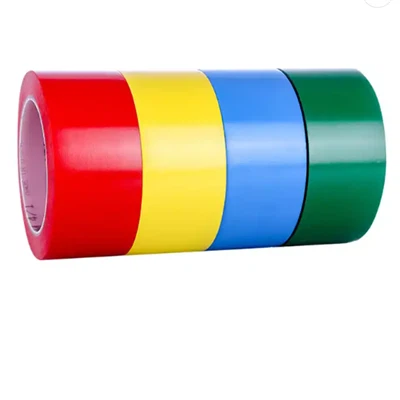
As a supplier of copper tape, I've encountered numerous customers who've faced challenges with the tape's adhesion. In this blog, I'll share some effective strategies on how to make copper tape more sticky, ensuring it performs optimally in various applications.
Understanding the Basics of Copper Tape Adhesion
Before delving into the solutions, it's essential to understand what affects the stickiness of copper tape. The adhesive on copper tape is typically a pressure - sensitive adhesive (PSA). PSA forms a bond when pressure is applied, and its performance can be influenced by several factors, including surface conditions, temperature, and the presence of contaminants.
Surface Preparation
One of the most crucial steps in ensuring good adhesion is proper surface preparation. A clean, dry, and smooth surface provides the best foundation for the copper tape to stick.
Cleaning the Surface
Dirt, dust, grease, and other contaminants can prevent the adhesive from making proper contact with the surface. Use a suitable cleaning agent to remove these impurities. For most surfaces, isopropyl alcohol is an excellent choice. It evaporates quickly and leaves no residue.
Here's a simple process:
- Moisten a clean, lint - free cloth with isopropyl alcohol.
- Gently wipe the surface where the copper tape will be applied.
- Allow the surface to dry completely before applying the tape.
Roughening the Surface
In some cases, a slightly roughened surface can improve adhesion. For non - delicate surfaces, you can use fine - grit sandpaper to lightly abrade the area. This creates more surface area for the adhesive to grip onto. However, be careful not to over - sand, as this can create too much debris or damage the surface.
Temperature Considerations
Temperature plays a significant role in the stickiness of copper tape. PSA adhesives work best within a specific temperature range.
Application Temperature
Applying the copper tape at the right temperature is crucial. Most PSA adhesives perform optimally at room temperature, typically between 20°C and 25°C (68°F - 77°F). If the temperature is too low, the adhesive may become too stiff and not bond properly. On the other hand, if it's too high, the adhesive may become too soft and lose its cohesive strength.
If you need to apply the tape in a cold environment, you can warm the tape slightly using a heat gun or a hair dryer. Hold the heat source about 10 - 15 cm away from the tape and move it back and forth to evenly distribute the heat. Be careful not to overheat the tape, as this can damage the adhesive.
Storage Temperature
Proper storage of copper tape is also important. Store the tape in a cool, dry place away from direct sunlight and extreme temperatures. High temperatures during storage can cause the adhesive to degrade over time, reducing its stickiness.
Applying Pressure
Applying sufficient pressure during the application of copper tape is essential for a strong bond.
Using a Roller
A simple and effective way to apply pressure is by using a roller. After placing the copper tape on the surface, roll over it firmly with a rubber or plastic roller. Start from the center of the tape and roll towards the edges to ensure even pressure distribution. This helps to expel any air bubbles trapped between the tape and the surface and promotes better contact between the adhesive and the substrate.
Manual Pressure
If a roller is not available, you can use your hands to apply pressure. Run your fingers firmly over the tape, pressing down evenly. For larger areas, you can use a flat object like a credit card or a squeegee to apply more consistent pressure.


Additional Adhesive Solutions
In some situations, you may need to use additional adhesive to enhance the stickiness of copper tape.
Adhesive Primers
Adhesive primers can be applied to the surface before applying the copper tape. These primers create a thin layer that improves the bonding between the surface and the tape's adhesive. They are particularly useful for surfaces that are difficult to bond, such as plastics or painted surfaces. Make sure to follow the manufacturer's instructions when using adhesive primers.
Contact Adhesives
Contact adhesives can be used in combination with copper tape in certain applications. Apply the contact adhesive to both the surface and the back of the copper tape, allow it to dry according to the manufacturer's instructions, and then press the tape firmly onto the surface. This method provides a very strong bond but requires careful handling.
Quality of the Copper Tape
The quality of the copper tape itself also affects its stickiness. As a supplier, we ensure that our Conductive Copper Foil Tape | Single Side Copper Tape | EMI Shielding & Grounding Adhesive Tape is made with high - quality materials and adhesives. Our tapes are designed to provide excellent adhesion and performance in a wide range of applications.
Troubleshooting
If you still encounter problems with the stickiness of copper tape, here are some common issues and solutions:
Tape Peeling at the Edges
This can be caused by insufficient pressure during application or exposure to moisture. To fix this, re - apply pressure to the edges using a roller or your fingers. If moisture is the issue, make sure the surface is dry before application and consider using a moisture - resistant tape.
Poor Adhesion on a Specific Surface
If the tape doesn't stick well to a particular surface, try using an adhesive primer or a different type of tape. Some surfaces may require a specialized adhesive for optimal bonding.
Conclusion
Making copper tape more sticky involves a combination of proper surface preparation, temperature control, applying pressure, and, if necessary, using additional adhesive solutions. By following these tips, you can ensure that your copper tape adheres firmly and performs well in various applications.
As a trusted copper tape supplier, we are committed to providing high - quality products and excellent customer service. If you have any questions about our copper tape or need advice on improving its adhesion, please feel free to contact us for procurement and further discussions. We look forward to working with you to meet your copper tape needs.
References
- "Handbook of Pressure - Sensitive Adhesive Technology" by Donatas Satas.
- Manufacturer's guidelines for copper tape products.