


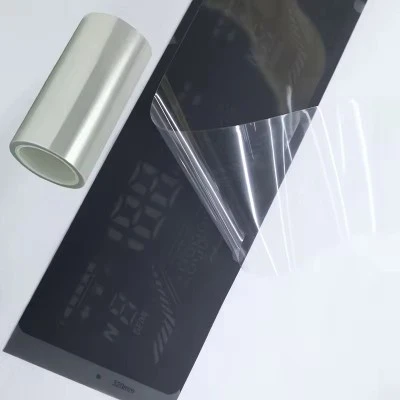

Bonding Poron foam can be a bit of a head - scratcher, but don't worry! As a Poron foam supplier, I've got plenty of experience and tips to share.
First things first, let's understand what Poron foam is. It's a high - performance polyurethane foam that offers great shock absorption, electrical insulation, and cushioning properties. You can find different types of Poron foam, like the Poron 4701 - 40 PU Foam | Electrical Insulation & Cushioning Material | High Performance Shock Absorbing Foam, which is perfect for electrical applications. And PORON® 4790 - 92 Polyurethane Foam | Low - Energy Impact Protection And Sealing Solution is great for when you need low - energy impact protection.
Now, when it comes to bonding Poron foam, you need to consider a few factors. The type of surface you're bonding it to is crucial. Poron foam can be bonded to a variety of materials, such as metals, plastics, and other foams. But the bonding process may vary depending on the material.
Preparation
Before you start the bonding process, proper preparation is key. Clean the surface you'll be bonding the Poron foam to. Any dirt, grease, or dust can prevent the adhesive from sticking properly. You can use a mild detergent and water to clean the surface, then dry it thoroughly. Make sure there's no moisture left, as that can also affect the bonding.
Cut the Poron foam to the right size and shape. You can use a sharp utility knife for this. Make clean cuts to ensure a good fit. And don't forget to wear safety gloves when handling the knife to avoid any injuries.
Choosing the Right Adhesive
There are different types of adhesives you can use to bond Poron foam. Some common ones include contact adhesives, epoxy adhesives, and double - sided tapes.
Contact adhesives are great because they provide a strong bond quickly. You apply the adhesive to both the Poron foam and the surface you're bonding it to. Let the adhesive dry for a short period until it starts to become tacky. Then, carefully press the foam onto the surface, making sure to align it correctly. Make sure to apply even pressure across the entire surface to ensure a good bond.
Epoxy adhesives are another option. They offer a very strong and durable bond. But they can be a bit more tricky to work with because you have to mix the two components together before application. Follow the manufacturer's instructions carefully when mixing the epoxy. Apply the epoxy to the surface and press the Poron foam onto it. Hold it in place for a while until the epoxy starts to set.


Double - sided tapes are convenient and easy to use. They're especially useful when you need a quick and clean bonding solution. One good example is the Tesa® 4563 | High - Performance Non - Slip Silicone Coated Fabric For Printing Industry, which can be used in some bonding applications. Just peel off the backing of the tape and stick one side to the surface and the other side to the Poron foam.
Bonding Process
When you're using contact adhesives or epoxy, make sure to work in a well - ventilated area. These adhesives can give off fumes that might not be too healthy to breathe in.
If you're using a brush or a roller to apply the adhesive, make sure they're clean before you start. Apply the adhesive evenly, without leaving any thick or thin spots. Uneven adhesive application can lead to a weak bond.
Once you've pressed the Poron foam onto the surface, use clamps or weights to hold it in place while the adhesive cures. This helps to ensure a strong and even bond. The curing time can vary depending on the type of adhesive you're using. Check the manufacturer's instructions for the exact curing time, and be patient. It might take a few hours or even a day for the adhesive to fully cure.
Troubleshooting
Sometimes, things don't go as planned. If the bond between the Poron foam and the surface is weak, it could be because of improper surface preparation. Maybe there was still some dirt or moisture on the surface. In that case, you'll have to clean the surface again and repeat the bonding process.
Another issue could be that the wrong type of adhesive was used. If the bond doesn't seem to be holding up, consider trying a different adhesive. For example, if you used a contact adhesive and it didn't work well, you might want to try an epoxy adhesive instead.
If the Poron foam starts to peel off after a while, it could be due to environmental factors. High temperatures, humidity, or exposure to chemicals can all affect the bond. In such cases, you might need to find a more suitable adhesive that can withstand these conditions.
Applications of Bonded Poron Foam
Bonded Poron foam has a wide range of applications. In the electronics industry, it's used for electrical insulation and cushioning of delicate components. The Poron 4701 - 40 PU Foam | Electrical Insulation & Cushioning Material | High Performance Shock Absorbing Foam is often used in this context.
In the automotive industry, it can be used for vibration isolation and sealing. And in the sports equipment industry, it can provide shock absorption in helmets and other protective gear.
Conclusion
Bonding Poron foam isn't all that difficult if you follow the right steps. Proper preparation, choosing the right adhesive, and following a good bonding process are crucial. Whether you're working on a small DIY project or a large - scale industrial application, these tips can help you achieve a strong and reliable bond.
If you're interested in purchasing Poron foam for your projects, we're here to help. We offer a wide range of Poron foam products to meet your specific needs. Reach out to us for more information, and let's start talking about how we can help you with your next project.
References
- Manufacturer's guides for Poron foam products
- Industry standards for foam bonding techniques


