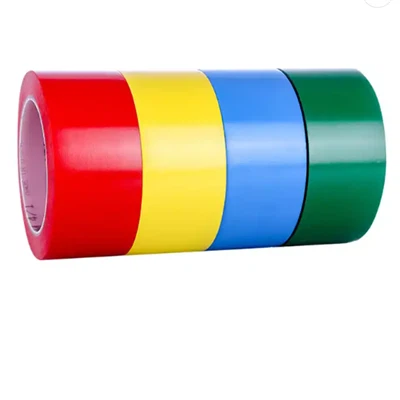
Hey there! As a duct tape supplier, I often get asked, "How long does duct tape last?" It's a great question, and the answer isn't as straightforward as you might think. In this blog, I'll break down the factors that affect the lifespan of duct tape and give you a better idea of what to expect.
What is Duct Tape?
First off, let's quickly go over what duct tape is. Duct tape is a strong, flexible tape with a cloth backing and a sticky adhesive. It's super versatile and can be used for all sorts of things, like industrial repair, packaging, waterproofing, and sealing. You can check out our PE Coated Cloth Duct Tape | Single Side Duct Tape | Industrial Repair, Packaging, Waterproof & Sealing for a great example of high - quality duct tape.
Factors Affecting the Lifespan of Duct Tape
1. Quality of the Tape
The quality of the duct tape you buy plays a huge role in how long it lasts. Higher - quality tapes are made with better materials. The cloth backing might be thicker and more durable, and the adhesive is usually stronger and more resistant to wear and tear. Cheaper tapes, on the other hand, might have a thinner backing and a weaker adhesive. This means they're more likely to tear or lose their stickiness over time.


For instance, our premium duct tapes are designed to withstand tough conditions. We use high - grade materials in the manufacturing process, which ensures that the tape lasts longer and performs better.
2. Environmental Conditions
The environment where the duct tape is used has a big impact on its lifespan. Here are some key environmental factors:
- Temperature: Extreme temperatures can be a real problem for duct tape. In very hot conditions, the adhesive can become soft and start to lose its grip. The tape might start to peel off or leave a sticky residue. On the other hand, in very cold temperatures, the tape can become brittle and crack. This makes it less effective at holding things together.
- Humidity: High humidity can also affect duct tape. Moisture can seep into the tape and break down the adhesive. This is especially true if the tape is used in a damp or wet environment. For example, if you use duct tape to seal a leaky pipe in a bathroom, the constant exposure to moisture might cause the tape to lose its stickiness faster.
- Sunlight: Ultraviolet (UV) rays from the sun can damage the tape. Over time, UV rays can break down the materials in the tape, making it weaker and less sticky. If you're using duct tape outdoors, it's important to choose a tape that's UV - resistant.
3. Type of Surface
The surface where the duct tape is applied matters too. Some surfaces are more difficult for the tape to stick to than others.
- Smooth Surfaces: Duct tape generally adheres well to smooth surfaces like metal, glass, or plastic. These surfaces provide a flat and even area for the adhesive to bond with. As a result, the tape is likely to last longer on smooth surfaces compared to rough ones.
- Rough Surfaces: Rough surfaces, such as wood with a lot of grain or concrete, can be a challenge for duct tape. The unevenness of the surface means that the adhesive might not make full contact, leading to a weaker bond. This can cause the tape to peel off more easily.
4. Stress and Movement
How much stress and movement the duct tape is subjected to also affects its lifespan. If the tape is used in a place where it's constantly being pulled, stretched, or bent, it's going to wear out faster. For example, if you use duct tape to repair a piece of machinery that vibrates a lot, the constant movement can cause the tape to come loose or tear.
How Long Can You Expect Duct Tape to Last?
It's hard to give an exact time frame for how long duct tape will last because of all the factors mentioned above. However, here are some general estimates:
- Indoor Use in Normal Conditions: If you're using duct tape indoors in a normal environment (moderate temperature, low humidity, and no direct sunlight), it can last anywhere from a few months to a couple of years. For example, if you use duct tape to seal a box in a storage room, it might stay in place for a long time as long as it's not disturbed.
- Outdoor Use in Favorable Conditions: When used outdoors with some protection from the elements (like under a covered area), duct tape can last several months. But if it's exposed to direct sunlight, rain, and extreme temperatures, its lifespan might be reduced to a few weeks or even days.
- High - Stress Applications: In high - stress situations, such as industrial machinery repair where there's a lot of movement and vibration, the tape might only last a few days or weeks.
Tips to Make Duct Tape Last Longer
If you want your duct tape to last as long as possible, here are some tips:
- Clean the Surface: Before applying the tape, make sure the surface is clean and dry. Remove any dust, dirt, or grease. This will help the adhesive bond better to the surface.
- Choose the Right Tape: Select a duct tape that's suitable for the specific application. If you're using it outdoors, get a UV - resistant tape. For high - temperature environments, choose a tape that can withstand heat.
- Apply Properly: When applying the tape, make sure it's smooth and there are no air bubbles. Press the tape firmly onto the surface to ensure good adhesion.
Conclusion
So, as you can see, the lifespan of duct tape depends on many factors. But with the right quality tape, proper application, and consideration of the environment and usage, you can get the most out of your duct tape.
If you're in the market for high - quality duct tape that's built to last, we're here to help. Whether you need it for industrial repair, packaging, or any other application, we have a wide range of options to meet your needs. Feel free to reach out to us to discuss your requirements and start a procurement conversation. We're confident that our duct tapes will exceed your expectations.
References
- "The Handbook of Adhesives"
- Various industry reports on tape manufacturing and performance