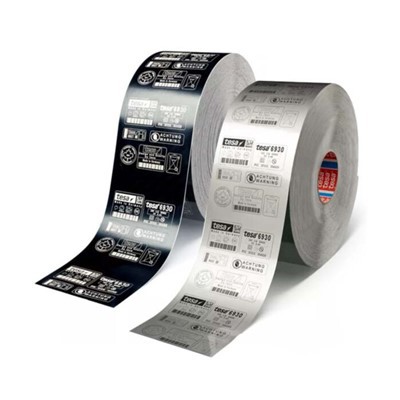
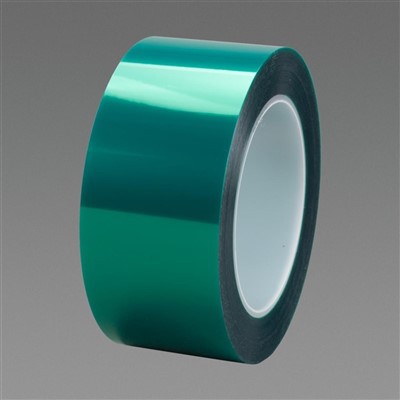
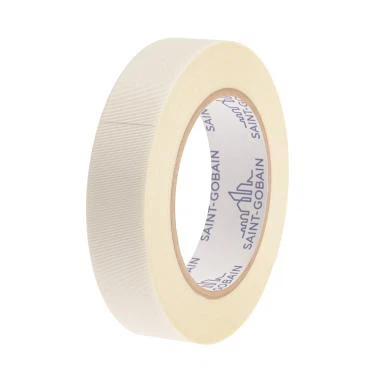
As an essential foundational material for the installation and maintenance of electrical equipment, electrical insulating tape's technical characteristics directly impact the safety and reliability of electrical systems. Modern electrical insulating tape demonstrates significant expertise in material science, process design, and functional expansion.
High-quality insulating tape typically utilizes polymers such as polyvinyl chloride (PVC), rubber, or polyimide as its base material, with additives such as flame retardants and anti-aging agents added to enhance its overall performance. PVC tape, due to its excellent flexibility and weather resistance, is a versatile choice, while rubber-based tape, due to its high elasticity, is suitable for winding around complex curved surfaces. Polyimide, with its high-temperature resistance (capable of long-term use at temperatures exceeding 200°C), is widely used for insulation of high-voltage equipment and motor windings.
In terms of technical parameters, insulating tapes generally have an electrical strength of 30-50 kV/mm, effectively blocking voltage breakdown. Their tensile strength and elongation at break must balance ease of use and tightness of winding, with typical values ranging from 15-25 MPa and 150%-300%, respectively. Temperature resistance is a key indicator. Standard products are suitable for environments ranging from -10°C to 80°C, while specialized models utilize cross-linking modification technology to achieve a wide operating range of -40°C to 150°C.
Functional innovations drive product differentiation: a self-adhesive coating optimizes winding efficiency and interlayer adhesion; a UV-resistant formula extends outdoor service life; and a conductive rubber composite layer enables grounding marking applications. Notably, products certified to international standards such as IEC 60454 and UL 510 establish a reliable quality benchmark in terms of fire rating (such as V-0 flame retardancy) and corrosion resistance.
With the development of smart grids and new energy equipment, the demand for special tapes with composite functions of insulation, sealing and identification continues to grow, and its technological evolution has always revolved around electrical safety and engineering adaptability.