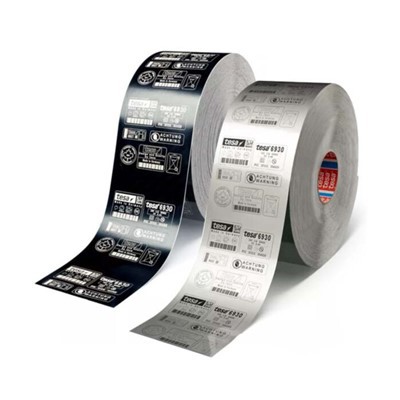
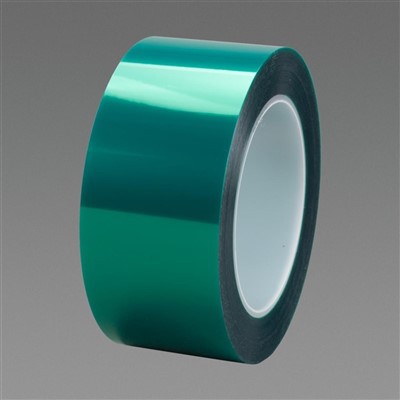
Single-sided adhesives are common pressure-sensitive adhesive products. Their core functionality relies on a specific combination of chemical components, primarily consisting of a backing, a pressure-sensitive adhesive layer, and a release layer. The pressure-sensitive adhesive layer is the key chemical system that determines adhesive performance.
The primary chemical component of pressure-sensitive adhesives is acrylate polymers, typically produced through emulsion or solution polymerization of soft monomers such as butyl acrylate (BA) and ethyl acrylate (EA) with hard monomers such as acrylic acid (AA) and methyl methacrylate (MMA). Soft monomers impart flexibility and adhesion to the adhesive layer, while hard monomers provide cohesive strength, ensuring that the adhesive layer does not leave residue when peeled. To improve performance, small amounts of tackifying resins (such as rosin derivatives and terpene resins) are often added to enhance initial tack, as well as antioxidants and UV absorbers to improve weather resistance.
The backing, typically polypropylene (PP), polyethylene (PE), or paper, supports the adhesive layer and imparts specific mechanical strength to the single-sided adhesive. The release layer is a low-surface-energy coating (such as silicone oil or fluoropolymer) that prevents the adhesive from sticking to itself during storage and ensures easy peeling during use.
Modern single-sided adhesives may also contain functional additives, such as conductive fillers (such as carbon nanotubes) for use in the electronics industry, or flame retardants to meet safety standards. Different applications have varying chemical composition requirements. For example, medical single-sided adhesives require biocompatible materials, while industrial applications prioritize high-temperature and solvent resistance.
In summary, the chemical composition design of single-sided adhesives requires a balance between adhesive strength, cohesive strength, and environmental compatibility. Optimizing the formulation directly impacts the product's ultimate performance and applicable range.