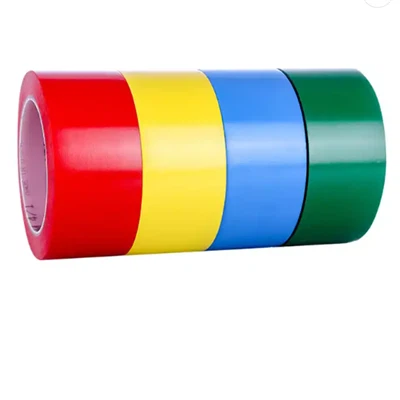
Plastics are ubiquitous in modern society, finding applications in various industries such as automotive, construction, electronics, and consumer goods. Acrylic foam, on the other hand, is a versatile adhesive material known for its high bonding strength, durability, and resistance to environmental factors. As an acrylic foam supplier, I often receive inquiries about which plastics can be effectively bonded with acrylic foam. In this blog post, I will explore the different types of plastics that can be bonded with acrylic foam and provide insights into the bonding process.
Understanding Acrylic Foam
Acrylic foam is a double - sided adhesive tape made from a closed - cell acrylic foam core with acrylic adhesives on both sides. It offers several advantages over traditional bonding methods such as welding, riveting, or using liquid adhesives. These advantages include:
- High Bonding Strength: Acrylic foam can provide a strong and long - lasting bond between different materials, including plastics.
- Shock and Vibration Resistance: It can absorb shock and vibration, making it suitable for applications where components are subject to movement or stress.
- Weather Resistance: Acrylic foam is resistant to UV radiation, moisture, and temperature variations, ensuring the bond remains intact in different environmental conditions.
- Aesthetic Appeal: It provides a clean and seamless appearance as it eliminates the need for visible fasteners.
Types of Plastics and Their Bonding with Acrylic Foam
1. Polycarbonate (PC)
Polycarbonate is a strong, transparent plastic known for its high impact resistance and optical clarity. It is commonly used in applications such as safety glasses, automotive headlamps, and electronic displays. Acrylic foam can form a reliable bond with polycarbonate. The smooth surface of polycarbonate allows the acrylic adhesive to spread evenly, creating a strong molecular bond. Before bonding, it is important to clean the polycarbonate surface thoroughly to remove any dust, grease, or contaminants. This can be done using a mild detergent and water, followed by drying with a clean, lint - free cloth.
2. Acrylonitrile Butadiene Styrene (ABS)
ABS is a widely used engineering plastic that combines the strength and rigidity of acrylonitrile and styrene with the toughness of butadiene. It is used in a variety of products, including automotive parts, toys, and household appliances. Acrylic foam adheres well to ABS due to its compatibility with the plastic's surface chemistry. Similar to polycarbonate, proper surface preparation is crucial. Sanding the ABS surface lightly can increase the surface area for the adhesive to bond, enhancing the overall bonding strength.


3. Polyethylene (PE)
Polyethylene is a common plastic used in packaging, pipes, and consumer goods. There are two main types: high - density polyethylene (HDPE) and low - density polyethylene (LDPE). Bonding acrylic foam to polyethylene can be more challenging because polyethylene has a low surface energy. To improve the bonding, the polyethylene surface may need to be treated. One common method is corona treatment, which increases the surface energy of the plastic, allowing the acrylic adhesive to wet the surface more effectively. Another option is to use a primer specifically designed for polyethylene before applying the acrylic foam.
4. Polypropylene (PP)
Polypropylene is another widely used plastic known for its chemical resistance, low density, and high flexibility. Like polyethylene, polypropylene has a low surface energy, making it difficult to bond with acrylic foam without proper treatment. Flame treatment is a common method used to increase the surface energy of polypropylene. During flame treatment, the plastic surface is briefly exposed to a controlled flame, which oxidizes the surface and creates polar groups that can interact with the acrylic adhesive.
5. Polymethyl Methacrylate (PMMA)
PMMA, also known as acrylic glass, is a transparent plastic with excellent optical properties and weather resistance. It is often used in signage, displays, and architectural applications. Acrylic foam bonds well with PMMA due to their similar chemical composition. The smooth and clean surface of PMMA allows for a strong and durable bond. As with other plastics, surface cleaning is essential before bonding to ensure optimal adhesion.
The Bonding Process
The bonding process of acrylic foam to plastics typically involves the following steps:
- Surface Preparation: As mentioned earlier, cleaning and, if necessary, treating the plastic surface are crucial steps. This ensures that the acrylic adhesive can make direct contact with the plastic surface and form a strong bond.
- Cutting the Acrylic Foam: Cut the acrylic foam tape to the appropriate size and shape according to the bonding requirements.
- Application: Remove the release liner from one side of the acrylic foam tape and carefully apply it to the prepared plastic surface. Use a roller or a similar tool to apply even pressure, ensuring that the tape adheres firmly to the plastic.
- Bonding the Second Surface: Once the first side is bonded, remove the second release liner from the acrylic foam tape and bring the second plastic component into contact with the exposed adhesive. Again, apply pressure evenly to ensure a complete bond.
Case Study: Using 3M VHB RP45 Acrylic Foam Tape
One of the popular acrylic foam products in the market is the 3M VHB RP45 Acrylic Foam Tape – Double - Sided High Bonding Tape For Industrial Applications. This tape is designed for industrial applications where high bonding strength and durability are required. It has been successfully used to bond various plastics in automotive and electronics industries. For example, in automotive interior applications, it can bond polycarbonate panels to ABS frames, providing a strong and vibration - resistant bond. In electronics, it can be used to attach polyethylene battery covers to polypropylene enclosures after proper surface treatment.
Factors Affecting Bonding Strength
Several factors can affect the bonding strength of acrylic foam to plastics:
- Temperature: The bonding process should be carried out within the recommended temperature range of the acrylic foam tape. Extreme temperatures can affect the flow and curing of the adhesive, reducing the bonding strength.
- Humidity: High humidity can interfere with the bonding process, especially if the plastic surface is not properly dried. It is advisable to bond in a controlled environment with low humidity.
- Pressure: Applying sufficient pressure during the bonding process is essential. Insufficient pressure may result in air bubbles or incomplete bonding, weakening the bond.
Conclusion
Acrylic foam is a versatile adhesive material that can bond a wide range of plastics. While some plastics, such as polycarbonate and ABS, bond easily with acrylic foam, others like polyethylene and polypropylene require special surface treatment. By understanding the properties of different plastics and following the proper bonding process, strong and durable bonds can be achieved.
If you are interested in using acrylic foam for your plastic bonding applications, I encourage you to reach out to me. I can provide you with detailed product information, technical support, and samples to help you make the right choice for your project. Whether you are in the automotive, electronics, or construction industry, I am confident that our acrylic foam products can meet your bonding needs.
References
- "Adhesive Bonding of Plastics" - Plastics Engineering Handbook
- "Surface Treatment of Plastics for Adhesive Bonding" - Journal of Adhesion Science and Technology
- Product literature of 3M VHB RP45 Acrylic Foam Tape