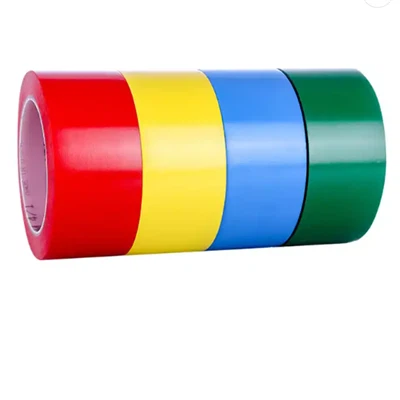
Acrylic foam has emerged as a versatile and indispensable material in the medical device industry, offering a wide range of benefits such as high bonding strength, excellent durability, and resistance to various environmental factors. As an acrylic foam supplier, I am excited to explore the diverse applications of acrylic foam in medical devices and share insights into how this remarkable material can enhance the performance and functionality of these critical products.
Wound Care Devices
One of the primary applications of acrylic foam in the medical field is in wound care devices. Acrylic foam tapes and dressings are widely used for their ability to provide a secure and comfortable fit, while also promoting wound healing. The high bonding strength of acrylic foam ensures that the dressing stays in place, even in challenging environments, preventing contamination and reducing the risk of infection.
In addition to its adhesive properties, acrylic foam also offers excellent breathability, allowing moisture to escape from the wound site and maintaining a healthy environment for healing. This is particularly important for chronic wounds, which require a moist wound healing environment to promote tissue regeneration. Acrylic foam dressings can also be designed to absorb exudate, further enhancing their effectiveness in managing wound moisture.
For example, 3M VHB RP45 Acrylic Foam Tape – Double-Sided High Bonding Tape For Industrial Applications [/foam-tapes-pads/acrylic-foam/3m-vhb-rp45-acrylic-foam-tape-double-sided.html] can be used in the construction of wound care dressings, providing a strong and reliable bond between the dressing layers and the skin. The tape's high tack and conformability ensure a secure fit, while its resistance to moisture and bacteria helps to prevent infection and promote healing.
Medical Monitoring Devices
Acrylic foam is also commonly used in medical monitoring devices, such as electrocardiogram (ECG) electrodes, blood pressure cuffs, and glucose monitors. These devices require a secure and stable attachment to the skin to ensure accurate readings and reliable performance. Acrylic foam tapes and adhesives provide the necessary bonding strength and flexibility to keep the devices in place, even during movement and activity.
In addition to its adhesive properties, acrylic foam can also be engineered to be hypoallergenic and skin-friendly, reducing the risk of skin irritation and allergic reactions. This is particularly important for patients who may have sensitive skin or who require long-term use of medical monitoring devices.
For example, acrylic foam tapes can be used to attach ECG electrodes to the skin, providing a secure and stable connection that ensures accurate readings. The tape's high tack and conformability allow it to conform to the contours of the body, while its breathability helps to prevent skin irritation and discomfort.
Surgical Instruments and Equipment
Acrylic foam is also used in the construction of surgical instruments and equipment, such as surgical drapes, gowns, and masks. These products require a high level of sterility and protection to prevent the spread of infection during surgery. Acrylic foam tapes and adhesives can be used to seal and bond the various components of these products, providing a secure and reliable barrier against bacteria and other contaminants.
In addition to its adhesive properties, acrylic foam can also be designed to be resistant to sterilization processes, such as autoclaving and gamma irradiation. This ensures that the surgical instruments and equipment remain sterile and safe for use in the operating room.
For example, acrylic foam tapes can be used to seal the edges of surgical drapes, preventing the ingress of bacteria and other contaminants. The tape's high bonding strength and resistance to moisture and chemicals ensure a secure and reliable seal, even under challenging conditions.
Dental Devices
Acrylic foam is also used in the dental industry, particularly in the construction of dental appliances such as dentures, orthodontic retainers, and mouthguards. These devices require a secure and comfortable fit to ensure proper function and patient comfort. Acrylic foam tapes and adhesives can be used to attach the various components of these devices to the teeth and gums, providing a strong and reliable bond.
In addition to its adhesive properties, acrylic foam can also be engineered to be biocompatible and non-toxic, ensuring that it is safe for use in the oral cavity. This is particularly important for dental devices that come into contact with the teeth and gums, as any potential irritation or toxicity could have serious consequences for the patient's oral health.
For example, acrylic foam tapes can be used to attach dentures to the gums, providing a secure and comfortable fit. The tape's high tack and conformability allow it to conform to the contours of the gums, while its flexibility helps to prevent irritation and discomfort.


Contact for Procurement
As an acrylic foam supplier, I understand the importance of providing high-quality products and exceptional customer service. If you are interested in learning more about how acrylic foam can be used in your medical device applications, or if you would like to discuss your specific requirements and procurement needs, please do not hesitate to contact me. I am committed to working with you to find the best solutions for your business and to help you achieve your goals.
References
- "Medical Device Adhesives: A Review of Current Technologies and Applications." Journal of Adhesion Science and Technology, vol. 30, no. 12, 2016, pp. 1327-1342.
- "Acrylic Foam Tapes: Properties, Applications, and Performance." Handbook of Pressure-Sensitive Adhesive Technology, 4th ed., edited by Donatas Satas, Sita Technology, 2008, pp. 413-432.
- "Wound Care Dressings: Materials, Design, and Performance." Journal of Wound Care, vol. 22, no. 1, 2013, pp. 3-10.