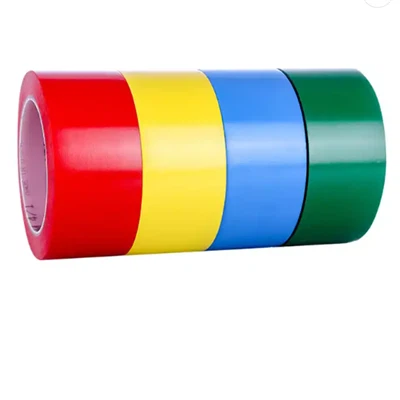
As a PTFE tape supplier, I often encounter inquiries from customers about the various properties of our products. One question that has been coming up more frequently lately is about the sound - insulation property of PTFE tape. In this blog, I'll delve into this topic, exploring what sound insulation is, how PTFE tape performs in this regard, and the factors that influence its sound - insulation capabilities.
Understanding Sound Insulation
Before we discuss the sound - insulation property of PTFE tape, it's essential to understand what sound insulation means. Sound insulation refers to the ability of a material to reduce the transmission of sound from one area to another. When sound waves hit a material, three things can happen: the sound can be reflected off the surface, absorbed by the material, or transmitted through it. A good sound - insulating material minimizes the amount of sound that is transmitted.
The effectiveness of sound insulation is typically measured in decibels (dB). The higher the decibel reduction, the better the material is at blocking sound. Factors such as the density, thickness, and structure of the material play crucial roles in determining its sound - insulation performance.


PTFE Tape: An Overview
PTFE, or polytetrafluoroethylene, is a synthetic fluoropolymer known for its exceptional chemical resistance, high - temperature stability, and low friction coefficient. PTFE tape is made by extruding or expanding PTFE resin into a thin, flexible tape. It is widely used in various industries, including electrical, automotive, and chemical processing, due to its unique properties.
Our company offers a wide range of PTFE tapes with different thicknesses and specifications to meet the diverse needs of our customers. For example, we have the 0.025mm Pure Teflon Film – Ultra - Thin, High - Performance Fluoropolymer Solution, which is extremely thin yet offers high performance. We also provide the Pure Teflon Film: Ultra - Thin To Standard Thickness (0.025 - 0.1mm) for Extreme Applications, suitable for extreme environments, and the Poly Temp PTFE Tape 0.13mm – High - Performance Teflon Cloth Tape for Extreme Conditions, which is designed to withstand harsh conditions.
Sound - Insulation Property of PTFE Tape
When it comes to sound insulation, PTFE tape has some unique characteristics. Generally, PTFE tape is not considered a primary sound - insulating material like fiberglass or acoustic foam. However, it can still contribute to sound reduction in certain applications.
The sound - insulation performance of PTFE tape is mainly related to its density and thickness. Denser materials tend to reflect and absorb more sound waves. Thicker PTFE tapes usually have better sound - insulation capabilities compared to thinner ones. For example, our 0.13mm Poly Temp PTFE Tape may offer better sound - blocking effects than the 0.025mm Pure Teflon Film.
Another factor that affects the sound - insulation of PTFE tape is its installation method. If the tape is applied tightly and without gaps, it can form a more effective barrier against sound transmission. In some cases, multiple layers of PTFE tape can be used to enhance the sound - insulation performance.
Applications of PTFE Tape in Sound - Insulation
Although PTFE tape is not a traditional sound - insulating material, it can be used in some specific applications where its other properties are also required.
In the electrical industry, PTFE tape is often used for insulation purposes. It can also help reduce the noise generated by electrical components. For example, when wrapping wires or cables, the tape can act as a barrier to prevent the transmission of electrical noise, which can sometimes be audible.
In the automotive industry, PTFE tape can be used in engine compartments or around mechanical parts. It can help reduce the noise generated by vibrations and friction. The tape's high - temperature resistance and chemical resistance make it suitable for use in harsh automotive environments.
Factors Affecting the Sound - Insulation of PTFE Tape
As mentioned earlier, density and thickness are two important factors. But there are other factors as well.
The surface texture of the PTFE tape can also influence its sound - insulation performance. A smooth surface may reflect more sound waves, while a textured surface may absorb more. Additionally, the environmental conditions, such as temperature and humidity, can affect the tape's properties and, consequently, its sound - insulation capabilities. High temperatures may cause the tape to expand or change its density, which can impact its ability to block sound.
Comparing PTFE Tape with Other Sound - Insulating Materials
When comparing PTFE tape with traditional sound - insulating materials like fiberglass or acoustic foam, it's clear that PTFE tape has its own advantages and limitations.
Traditional sound - insulating materials are specifically designed for sound reduction and usually offer higher levels of sound insulation. They are often more porous, which allows them to absorb sound waves more effectively. However, they may lack the chemical resistance, high - temperature stability, and low friction coefficient that PTFE tape offers.
PTFE tape, on the other hand, can be a good choice in applications where these additional properties are required. It may not provide the same level of sound insulation as dedicated acoustic materials, but it can still contribute to sound reduction in specific situations.
Conclusion
In conclusion, while PTFE tape is not a primary sound - insulating material, it does have some sound - insulation properties. Its performance in this regard is influenced by factors such as density, thickness, surface texture, and installation method.
Our company offers a variety of PTFE tapes that can be used in different applications, some of which may benefit from the tape's sound - insulation capabilities. Whether you need a thin and flexible tape for electrical insulation or a thicker tape for harsh mechanical environments, we have the right product for you.
If you are interested in learning more about our PTFE tapes or have specific requirements for sound - insulation applications, we encourage you to contact us for further discussion and potential procurement. We are committed to providing high - quality products and excellent customer service.
References
- "Handbook of Fluoropolymer Science and Technology"
- Industry reports on PTFE tape applications
- Research papers on sound - insulation materials and their properties