


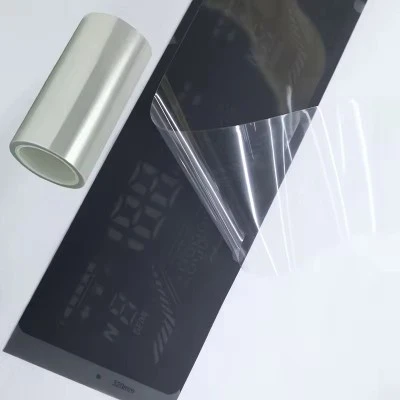

Hey there! As a transfer tape supplier, I often get asked about the peel strength of transfer tape. So, I thought I'd take a moment to break it down for you and explain what it means, why it matters, and how it can impact your projects.
What is Peel Strength?
Peel strength is a measure of how much force is required to peel a tape away from a surface. It's usually measured in pounds per inch (psi) or newtons per meter (N/m). The higher the peel strength, the more force is needed to remove the tape.
Think of it like this: if you're trying to peel a piece of tape off a table, the peel strength determines how hard you have to pull. A tape with high peel strength will be more difficult to remove, while a tape with low peel strength will come off more easily.
Why Does Peel Strength Matter?
Peel strength is crucial because it directly affects the performance of the transfer tape. Here are a few reasons why it matters:
- Adhesion: A tape with high peel strength will provide better adhesion, meaning it will stick to surfaces more securely. This is especially important for applications where the tape needs to hold up under stress or in challenging environments.
- Durability: High peel strength also contributes to the durability of the tape. It's less likely to peel off or come loose over time, ensuring that your project stays intact.
- Precision: In some applications, like crafts or precision mounting, peel strength is essential for achieving accurate results. A tape with consistent peel strength allows for clean, precise application and removal.
Factors Affecting Peel Strength
Several factors can influence the peel strength of transfer tape. Let's take a look at some of the most important ones:
- Surface Type: Different surfaces have different levels of porosity and smoothness, which can affect how well the tape adheres. For example, a tape may have a higher peel strength on a smooth, non-porous surface like glass compared to a rough, porous surface like wood.
- Temperature: Temperature can have a significant impact on peel strength. Generally, tapes adhere better at higher temperatures because the adhesive becomes more fluid and can flow into the surface pores. However, extreme temperatures can also cause the adhesive to break down or become too soft, reducing peel strength.
- Pressure: The amount of pressure applied when applying the tape can also affect peel strength. Applying more pressure helps the adhesive make better contact with the surface, increasing peel strength.
- Adhesive Type: There are various types of adhesives used in transfer tapes, each with its own peel strength characteristics. Some adhesives are designed for high-strength applications, while others are more suitable for temporary or light-duty use.
Measuring Peel Strength
Peel strength is typically measured using a testing machine. The tape is first applied to a test surface under specific conditions, such as a certain temperature and pressure. Then, the machine slowly peels the tape away from the surface at a constant rate while measuring the force required to do so.
The most common method for measuring peel strength is the 180-degree peel test. In this test, the tape is applied to a surface and then peeled back at a 180-degree angle. The force required to peel the tape is recorded and reported as the peel strength.
Choosing the Right Peel Strength
When choosing a transfer tape, it's important to consider the specific requirements of your project. Here are some guidelines to help you choose the right peel strength:
- Light-Duty Applications: For temporary or light-duty applications, such as mounting posters or paper, a tape with low to medium peel strength may be sufficient. These tapes are easy to remove without leaving residue and are less likely to damage the surface.
- Heavy-Duty Applications: For applications that require strong, permanent adhesion, such as industrial bonding or structural mounting, a tape with high peel strength is necessary. These tapes can withstand high stress and are designed to provide long-lasting performance.
- Precision Applications: In precision applications, like electronics assembly or graphic arts, a tape with consistent peel strength is crucial. Look for tapes that are specifically designed for these types of applications and offer precise control during application and removal.
Our Transfer Tape Offerings
At our company, we offer a wide range of transfer tapes with different peel strengths to meet the needs of various applications. One of our popular products is the Versatile Double-Sided Tissue Tape 3M 950 Adhesive Transfer Tape | Ideal For Crafts, Mounting & Precision Applications. This tape is known for its excellent adhesion and consistent peel strength, making it ideal for a variety of projects.
Whether you're a DIY enthusiast working on a craft project or a professional in the manufacturing industry, we have the right transfer tape for you. Our team of experts can also help you choose the best tape based on your specific requirements.
Contact Us for Procurement
If you're interested in purchasing transfer tape or have any questions about peel strength, feel free to reach out to us. We're here to help you find the perfect solution for your project. Whether you need a small quantity for a personal project or a large order for your business, we can accommodate your needs.


So, don't hesitate to contact us today and let's start a conversation about how our transfer tapes can benefit your next project.
References
- ASTM D3330/D3330M - Standard Test Method for Peel Adhesion of Pressure-Sensitive Tape
- Tape Council of America - Technical Information about Tape Properties


