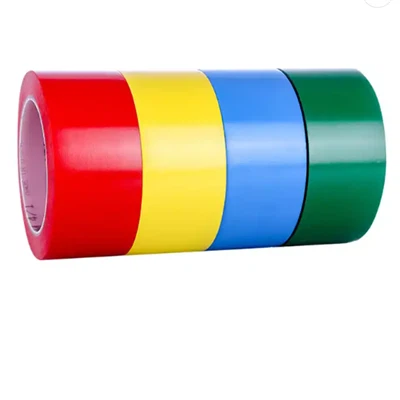
As a supplier of Scapa tape, I am often asked about the abrasion resistance of Scapa tape. Abrasion resistance is a crucial property, especially in applications where the tape is exposed to friction, rubbing, or contact with rough surfaces. In this blog post, I will delve into what abrasion resistance means for Scapa tape, how it is measured, and why it matters in various industries.
Understanding Abrasion Resistance
Abrasion resistance refers to a material's ability to withstand the wearing away of its surface due to mechanical action such as rubbing, scraping, or friction. For Scapa tape, this property is vital as it determines the tape's durability and performance in real - world applications. When a tape has high abrasion resistance, it can maintain its integrity and functionality even when subjected to harsh conditions.
Scapa tape is designed to offer excellent abrasion resistance through a combination of high - quality materials and advanced manufacturing processes. The base materials used in Scapa tapes are carefully selected for their physical properties, and the adhesive systems are formulated to provide strong bonding while also being resistant to wear.
Measuring Abrasion Resistance
There are several methods to measure the abrasion resistance of Scapa tape. One common method is the Taber abrasion test. In this test, a sample of the tape is mounted on a rotating platform, and a weighted abrasive wheel is applied to the surface of the tape. The wheel rotates against the tape for a specified number of cycles, and the amount of material removed from the tape is measured. A lower amount of material loss indicates higher abrasion resistance.
Another method is the Martindale abrasion test. This test uses a rubbing action to simulate the wear and tear that the tape might experience in actual use. The tape is rubbed against a standard fabric or abrasive material under a specific pressure, and the number of cycles it can withstand before showing signs of damage is recorded.
Importance of Abrasion Resistance in Different Industries
Electrical Industry
In the electrical industry, Scapa tape is widely used for insulation and moisture - sealing purposes. For example, the Scapa 2517 EPR Self - Amalgamating Tape – High Voltage Insulation & Moisture - Sealing Tape For Electrical Applications is designed to provide reliable insulation in high - voltage applications. High abrasion resistance is essential in this context because the tape may be exposed to rough surfaces during installation or may come into contact with other components in the electrical system. If the tape has poor abrasion resistance, it could be damaged, leading to a loss of insulation and potential safety hazards.
Automotive Industry
In the automotive industry, Scapa tape is used for wire harnessing, interior trim, and other applications. The tape needs to withstand the vibrations, friction, and movement that occur within the vehicle. Abrasion - resistant Scapa tape ensures that the wire harnesses remain intact and protected, preventing short circuits and other electrical problems. It also helps to maintain the aesthetic appearance of the interior trim by preventing wear and tear.
Aerospace Industry
In the aerospace industry, where safety and reliability are of utmost importance, Scapa tape with high abrasion resistance is used for various applications, including cable bundling and insulation. The tape must be able to withstand the extreme conditions of flight, such as high - speed airflow, temperature variations, and mechanical stress. A tape with good abrasion resistance can ensure the long - term performance of critical systems in an aircraft.
Factors Affecting the Abrasion Resistance of Scapa Tape
Material Composition
The base material of the tape plays a significant role in its abrasion resistance. For example, tapes made from high - strength polymers or elastomers tend to have better abrasion resistance than those made from softer materials. The adhesive used in the tape also affects its abrasion resistance. A strong and durable adhesive can help to keep the tape in place and prevent it from being easily worn away.


Thickness
The thickness of the tape can influence its abrasion resistance. Generally, thicker tapes are more resistant to abrasion than thinner ones. However, the thickness also needs to be balanced with other factors such as flexibility and conformability, as a very thick tape may not be suitable for all applications.
Surface Finish
The surface finish of the tape can affect its abrasion resistance. A smooth surface finish can reduce friction and make the tape less prone to abrasion. Some Scapa tapes are designed with a special surface treatment to enhance their abrasion resistance.
How Scapa Tape Compares to Other Tapes in Terms of Abrasion Resistance
When compared to other tapes on the market, Scapa tape often stands out in terms of abrasion resistance. Scapa's commitment to research and development has led to the creation of tapes that are specifically engineered to meet the demanding requirements of various industries. The company uses high - quality materials and advanced manufacturing techniques to ensure that its tapes offer superior abrasion resistance.
In addition, Scapa tape undergoes rigorous testing to ensure that it meets or exceeds industry standards for abrasion resistance. This means that customers can have confidence in the performance of Scapa tape in their applications.
Conclusion
The abrasion resistance of Scapa tape is a critical property that makes it suitable for a wide range of applications in different industries. Whether it is used in electrical, automotive, or aerospace applications, the ability of Scapa tape to withstand wear and tear is essential for ensuring the long - term performance and reliability of the systems in which it is used.
If you are interested in learning more about Scapa tape and its abrasion resistance, or if you are looking to purchase Scapa tape for your specific application, I encourage you to reach out to me. I would be more than happy to discuss your requirements and provide you with the best solutions.
References
- ASTM D4060 - Standard Test Method for Abrasion Resistance of Organic Coatings by the Taber Abraser
- ISO 12947 - Textiles - Determination of abrasion resistance using the Martindale abrasion testing machine