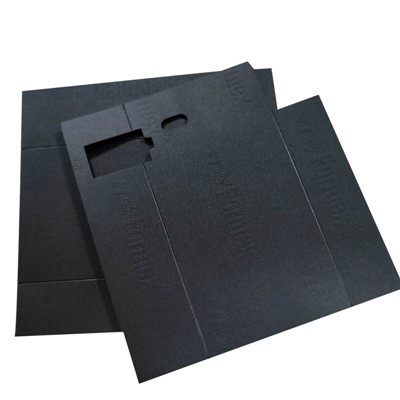
Acrylic foam is a versatile and widely used material with a broad spectrum of applications across various industries. As an acrylic foam supplier, I've had the privilege of witnessing firsthand the diverse types of acrylic foam and their unique properties. In this blog post, I'll delve into the different types of acrylic foam, their characteristics, and applications.
Open - Cell Acrylic Foam
Open - cell acrylic foam is characterized by its interconnected cells, which allow air and moisture to pass through. This type of foam has a soft and flexible texture, making it ideal for applications where cushioning and absorbency are required.
One of the key advantages of open - cell acrylic foam is its excellent shock - absorbing properties. It can effectively dampen vibrations and impacts, making it suitable for use in automotive interiors, where it can be used as padding for seats, armrests, and door panels. Additionally, its absorbent nature makes it useful in applications where moisture management is crucial, such as in the construction of buildings to prevent water damage.
Another application of open - cell acrylic foam is in the packaging industry. It can be used to protect fragile items during shipping by providing a soft and cushioned layer around the product. The open - cell structure also allows for the dissipation of static electricity, which is beneficial when packaging electronic components.
Closed - Cell Acrylic Foam
Closed - cell acrylic foam, on the other hand, has cells that are not interconnected. This makes it resistant to water, air, and chemicals. Closed - cell acrylic foam is known for its high strength and durability, making it suitable for a wide range of demanding applications.


In the automotive industry, closed - cell acrylic foam is commonly used for trim attachment. For example, the 3M™ Acrylic Foam Tape 4229P: High - Shear, Closed - Cell Acrylic Foam Tape For Automotive Trim is a prime example of a high - performance closed - cell acrylic foam tape. It provides a strong bond between automotive trim components and the vehicle body, even in harsh environmental conditions. The closed - cell structure ensures that the tape is resistant to water, dust, and temperature variations, making it a reliable choice for automotive manufacturers.
Closed - cell acrylic foam is also used in the construction industry for sealing and insulation purposes. It can be used to seal gaps around windows and doors, preventing air and water infiltration. Its high strength and weather resistance make it a long - lasting solution for building envelopes.
Viscous Acrylic Foam
Viscous acrylic foam is a type of acrylic foam that has a high viscosity, which gives it excellent adhesion properties. This type of foam is often used in applications where a strong and durable bond is required.
In the automotive industry, viscous acrylic foam is used for attaching durable trim components. The 3M™ Acrylic Foam Tape 5344: High - Performance, Viscous Acrylic Foam Tape For Durable Trim Attachment is a great example of a viscous acrylic foam tape. It can bond a variety of materials, including plastics, metals, and composites, with high shear strength. This makes it suitable for attaching exterior trim pieces, such as side moldings and emblems, to the vehicle body.
Viscous acrylic foam is also used in the electronics industry for bonding components. Its high adhesion and flexibility allow it to bond different types of materials, such as circuit boards and displays, while providing shock absorption and protection against vibrations.
Flame - Retardant Acrylic Foam
Flame - retardant acrylic foam is designed to resist the spread of fire. It contains additives that reduce its flammability and help to prevent the ignition and spread of flames.
This type of acrylic foam is commonly used in applications where fire safety is a concern, such as in the aviation and railway industries. In aircraft interiors, flame - retardant acrylic foam can be used for seat cushions, wall panels, and insulation. It helps to meet the strict fire safety regulations in the aviation industry.
In the railway industry, flame - retardant acrylic foam is used for interior components, such as seats, partitions, and ceiling panels. It provides a high level of fire protection, ensuring the safety of passengers and crew.
Heat - Resistant Acrylic Foam
Heat - resistant acrylic foam is capable of withstanding high temperatures without losing its properties. It is often used in applications where exposure to heat is a factor, such as in the automotive and industrial sectors.
In the automotive industry, heat - resistant acrylic foam can be used in engine compartments and exhaust systems. It can withstand the high temperatures generated by the engine and exhaust, providing insulation and protection. For example, the 3M™ RT8006 Heat Shrink Tubing: Premium Sealing & Protection is a product that uses heat - resistant materials to provide a reliable seal and protection in high - temperature environments.
In industrial applications, heat - resistant acrylic foam can be used in ovens, furnaces, and other high - temperature equipment. It helps to insulate the equipment, reduce heat loss, and protect surrounding components from the high temperatures.
Conclusion
As an acrylic foam supplier, I understand the importance of choosing the right type of acrylic foam for specific applications. Each type of acrylic foam has its own unique properties and advantages, which make it suitable for different industries and uses. Whether you need a soft and absorbent open - cell foam, a strong and durable closed - cell foam, a viscous foam for high - strength bonding, a flame - retardant foam for fire safety, or a heat - resistant foam for high - temperature applications, there is an acrylic foam solution available.
If you're interested in learning more about our acrylic foam products or are looking to start a procurement process, I encourage you to reach out. We have a team of experts who can help you select the most suitable acrylic foam for your specific needs. Let's work together to find the perfect solution for your project.
References
- Technical data sheets of 3M acrylic foam products.
- Industry reports on the use of acrylic foam in different sectors.