



Is PTFE Tape Biodegradable?
As a supplier of PTFE tape, I often encounter questions from customers regarding the environmental friendliness of our products. One of the most common inquiries is whether PTFE tape is biodegradable. In this blog post, I'll delve into the science behind PTFE tape, its biodegradability, and its environmental impact.
What is PTFE Tape?
PTFE, or polytetrafluoroethylene, is a synthetic fluoropolymer of tetrafluoroethylene. It is well - known for its remarkable non - stick properties, high chemical resistance, and excellent thermal stability. PTFE tape, also known as Teflon tape, is a thin, white tape commonly used in plumbing, electrical, and industrial applications.
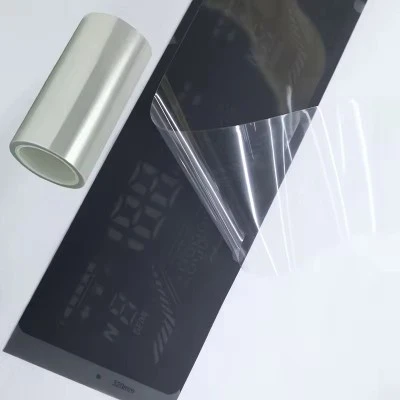
In plumbing, it is used to seal pipe threads, preventing leaks. Electricians use it for insulation purposes due to its high dielectric strength. Its versatility makes it a staple in many industries. We offer a variety of PTFE tapes, such as Teflon Tape: Reliable Sealing and Insulation From 0.08mm To 0.18mm, 0.025mm Pure Teflon Film – Ultra - Thin, High - Performance Fluoropolymer Solution, and Pure Teflon Film: Ultra - Thin To Standard Thickness (0.025 - 0.1mm) for Extreme Applications.
Biodegradability Basics
Biodegradability refers to the ability of a substance to be broken down by living organisms, such as bacteria, fungi, or other microorganisms, into simpler substances like water, carbon dioxide, and biomass. For a material to be biodegradable, it must have chemical bonds that can be recognized and broken by these organisms.
The process of biodegradation usually occurs in natural environments like soil, water bodies, or compost. Microorganisms use the material as a source of energy or nutrients, gradually decomposing it over time.
Why PTFE Tape is Not Biodegradable
The chemical structure of PTFE is the main reason it is not biodegradable. PTFE has a very strong carbon - fluorine (C - F) bond. The C - F bond is one of the strongest single bonds in organic chemistry, with a high bond energy. This means that it requires a large amount of energy to break these bonds.
Most microorganisms in the environment do not have the enzymes necessary to break the C - F bonds in PTFE. As a result, PTFE tape can persist in the environment for an extremely long time. When discarded, it does not readily decompose in landfills, water bodies, or soil. It can remain in its original form for hundreds or even thousands of years.
Environmental Impact of Non - Biodegradable PTFE Tape
The non - biodegradability of PTFE tape has several environmental implications. When PTFE tape is disposed of in landfills, it takes up space and does not contribute to the natural decomposition process. Over time, landfills can become overcrowded, leading to the need for more landfill sites, which can have a negative impact on local ecosystems.
In addition, if PTFE tape finds its way into water bodies, it can pose a threat to aquatic life. Although PTFE is considered chemically inert, its presence in water can disrupt the natural balance of the ecosystem. Small pieces of PTFE tape can be ingested by aquatic organisms, potentially causing blockages in their digestive systems or other health problems.
Recycling of PTFE Tape
Given the non - biodegradability of PTFE tape, recycling is an important option to reduce its environmental impact. However, recycling PTFE tape is not straightforward. The strong C - F bonds that make PTFE so durable also make it difficult to recycle.
Specialized recycling processes are required to break down PTFE into its raw materials. These processes often involve high temperatures and complex chemical reactions. Currently, the infrastructure for large - scale PTFE tape recycling is limited, which means that a significant amount of PTFE tape still ends up in landfills.
Our Commitment as a PTFE Tape Supplier
As a PTFE tape supplier, we are aware of the environmental concerns associated with our products. We are constantly exploring ways to reduce the environmental impact of our PTFE tapes. This includes researching more sustainable manufacturing processes and promoting recycling initiatives.
We also strive to educate our customers about the proper use and disposal of PTFE tape. By using our products efficiently and disposing of them responsibly, we can all contribute to a more sustainable future.
Conclusion and Call to Action
In conclusion, PTFE tape is not biodegradable due to its strong carbon - fluorine bonds. While it offers many benefits in various industries, its non - biodegradability poses environmental challenges. However, through proper use, disposal, and recycling efforts, we can minimize its negative impact on the environment.


If you are in need of high - quality PTFE tape for your plumbing, electrical, or industrial applications, we are here to serve you. Our range of products, including Teflon Tape: Reliable Sealing and Insulation From 0.08mm To 0.18mm, 0.025mm Pure Teflon Film – Ultra - Thin, High - Performance Fluoropolymer Solution, and Pure Teflon Film: Ultra - Thin To Standard Thickness (0.025 - 0.1mm) for Extreme Applications, is designed to meet your specific needs.
We welcome you to contact us for more information about our products and to discuss your procurement requirements. Let's work together to find the best PTFE tape solutions while also being mindful of the environment.
References
- Brown, R. A. (2015). "Fluoropolymers: Science, Technology, and Applications". Wiley.
- Environmental Protection Agency. (2020). "Solid Waste Management and Resource Conservation".
- Smith, J. D. (2018). "The Chemistry of Polytetrafluoroethylene". Journal of Chemical Education.


