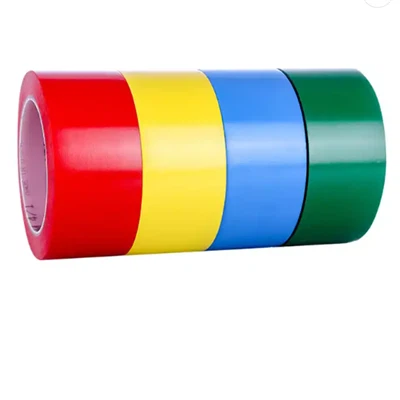
Hey there! I'm a supplier of fish paper, and today I wanna chat about a question that often pops up: Is fish paper resistant to UV light?


First off, let's quickly go over what fish paper is. Fish paper, also known as vulcanized fiber, is a type of electrical insulation material. It's made from natural cellulose fibers that are chemically treated and compressed. You can find it being used in all sorts of electrical applications, like in motors and transformers. If you're interested in the details, check out Electrical Insulation Fish Paper | Electrical Grade Fish Paper | Motor & Transformer Insulation Material UL Certified.
Now, back to the main question: UV resistance. UV light, which comes from the sun and some artificial sources, can be pretty harsh on materials. It has enough energy to break down chemical bonds in a material, causing it to degrade over time. This can lead to changes in the material's physical and chemical properties, like making it brittle, discolored, or reducing its strength.
So, is fish paper up to the challenge of UV light? Well, the short answer is that fish paper isn't inherently very resistant to UV light. The cellulose fibers that make up fish paper are sensitive to the effects of UV radiation. When exposed to UV light for extended periods, the cellulose can start to break down. This breakdown can cause the fish paper to become more brittle and lose some of its mechanical strength. You might also notice that it starts to turn yellow or brown as the UV light causes chemical changes in the fibers.
Let me give you an example. Say you have a piece of fish paper that's used in an outdoor electrical setup. If it's directly exposed to sunlight (which contains UV rays), over a few months or even weeks, depending on the intensity of the sunlight, you'll start to see some changes. The edges might start to crumble a bit, and the paper might not be as flexible as it used to be. This can be a big problem in electrical applications because if the fish paper loses its integrity, it might not be able to provide the proper insulation anymore.
But don't worry! There are ways to protect fish paper from UV light. One option is to use a UV - resistant coating. There are various types of coatings available on the market that can be applied to the surface of the fish paper. These coatings act as a barrier, absorbing or reflecting the UV light before it can reach the cellulose fibers. This can significantly extend the lifespan of the fish paper when it's exposed to UV - rich environments.
Another approach is to use fish paper in indoor or shielded applications. If you can keep the fish paper away from direct sunlight or other sources of UV light, it'll last a lot longer. For example, if you're using fish paper in a motor that's installed inside a building, it won't be exposed to the same level of UV radiation as it would be outdoors.
Now, you might be wondering about the implications of UV resistance for different industries. In the electrical industry, where fish paper is commonly used, UV resistance can be a crucial factor. For instance, in the automotive industry, electrical components are often exposed to sunlight when the vehicle is parked outside. If fish paper is used in these components, its UV resistance (or lack thereof) can affect the reliability of the electrical system.
In the renewable energy sector, especially in solar power systems, fish paper might be used in the electrical connections and insulation. Since these systems are constantly exposed to sunlight, the UV resistance of the fish paper becomes even more important. If the fish paper degrades due to UV exposure, it could lead to electrical failures, which can be costly to repair and can also affect the overall efficiency of the solar power system.
As a fish paper supplier, I understand the importance of providing high - quality products that meet the needs of my customers. That's why I always make sure to inform my clients about the UV sensitivity of fish paper and the available solutions. Whether you're in the electrical, automotive, or renewable energy industry, I can help you find the right way to use fish paper in your applications.
If you're considering using fish paper in your projects, and you're worried about UV exposure, I'd be more than happy to have a chat with you. We can discuss the best options for your specific situation, whether it's choosing a UV - resistant coating or finding the right application environment. Don't hesitate to reach out if you have any questions or if you're interested in purchasing fish paper. I'm here to make sure you get the most out of this great insulation material.
In conclusion, while fish paper isn't naturally resistant to UV light, with the right precautions and solutions, it can still be used effectively in a wide range of applications. By understanding its limitations and taking steps to protect it, you can ensure that your electrical systems stay reliable and efficient.
References
- Textbooks on cellulose materials and their properties
- Industry reports on electrical insulation materials
- Research papers on the effects of UV radiation on natural fibers
If you're interested in learning more or making a purchase, feel free to get in touch. I'm looking forward to working with you!