


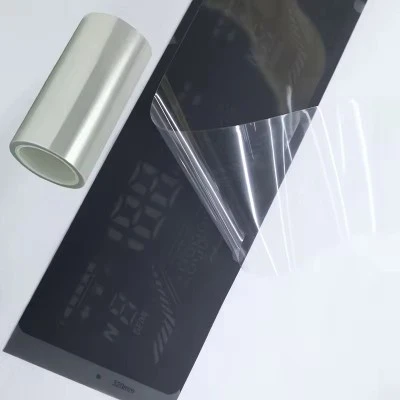

In the field of sealing solutions, both PTFE tape and rubber gaskets are widely utilized, each with its own set of characteristics and applications. As a PTFE tape supplier, I often encounter questions from customers about how PTFE tape compares to rubber gaskets. In this blog, I will delve into a comprehensive comparison between the two, exploring their properties, advantages, disadvantages, and typical use - cases.
Physical Properties
PTFE Tape
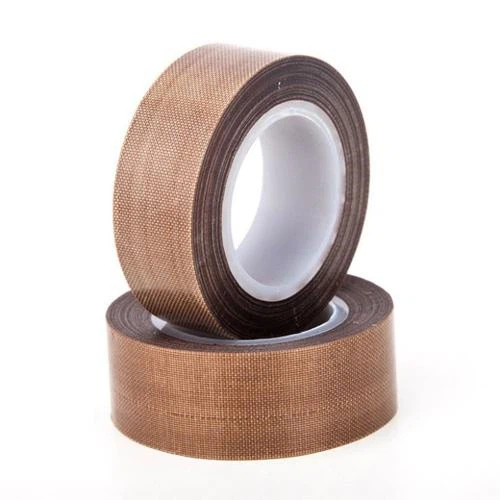
PTFE, or polytetrafluoroethylene, is known for its remarkable chemical inertness. It can withstand a wide range of chemicals, including strong acids, bases, and solvents, without undergoing significant degradation. PTFE tape is available in various thicknesses. For instance, our Poly Temp PTFE Tape 0.13mm – High - Performance Teflon Cloth Tape for Extreme Conditions offers excellent performance in extreme conditions. It has a low coefficient of friction, which means it can easily slide against other surfaces without causing excessive wear. This property is particularly useful in applications where smooth movement is required.
PTFE also has excellent thermal stability. It can operate at high temperatures for extended periods without losing its physical properties. Some PTFE tapes can tolerate temperatures up to 260°C continuously. Additionally, PTFE is a non - stick material, which is beneficial in situations where adhesion issues need to be avoided.
Rubber Gaskets
Rubber gaskets are made from different types of rubber compounds, such as natural rubber, neoprene, nitrile, and silicone. They come in a variety of hardness levels, which can be selected based on the specific application requirements. Rubber gaskets are generally more flexible than PTFE tape, allowing them to conform easily to irregular surfaces. This flexibility makes them effective in sealing gaps with uneven shapes.
The elasticity of rubber gaskets enables them to absorb shocks and vibrations. This is a significant advantage in applications where mechanical shock is a concern, such as in automotive engines or industrial machinery. However, their chemical resistance varies depending on the type of rubber. Some rubbers may not be suitable for use with certain chemicals, and exposure to incompatible substances can lead to swelling, hardening, or degradation.
Sealing Performance
PTFE Tape
PTFE tape is commonly used in threaded pipe connections. It can be wrapped around the threads to create a tight seal that prevents leakage of fluids, such as water, gas, or oil. The tape's ability to conform to the thread profile and its low friction allow for easy installation and a secure seal. For example, in a plumbing system, PTFE tape can effectively seal pipe joints, reducing the risk of leaks and water damage.
Our Ultra - Thick 0.18mm Pure PTFE Tape – Heavy - Duty Virgin Teflon for Extreme Heat & Chemical Resistance is especially suitable for applications where high - pressure and high - temperature sealing is required. Due to its pure PTFE composition, it can maintain its sealing performance even in harsh chemical environments.
Rubber Gaskets
Rubber gaskets are often used in flat - surface applications, such as between flanges in a piping system or in engine enclosures. Their flexibility allows them to fill gaps and create a reliable seal. For example, in a car engine, rubber gaskets are used to seal the cylinder head to the engine block, preventing the leakage of combustion gases and engine oil.
However, the sealing performance of rubber gaskets can be affected by factors such as temperature and pressure. Over time, exposure to high temperatures can cause rubber to lose its elasticity, leading to a decrease in sealing efficiency. In high - pressure applications, the rubber may need to be compressed to a specific degree to achieve an adequate seal, and improper compression can result in leakage.
Installation and Maintenance
PTFE Tape
Installing PTFE tape is relatively simple. It can be easily wrapped around threaded components, and the tape's non - stick property makes it easy to handle during installation. There is no need for special tools or complex procedures, which reduces the installation time and cost.
Maintenance of PTFE tape is also minimal. Since it is chemically inert and has good thermal stability, it does not require frequent replacement in most applications. In the event of a leak, it can be easily removed and replaced with a new tape.
Rubber Gaskets
The installation of rubber gaskets may require more care. They need to be properly aligned and compressed to achieve an effective seal. Special tools, such as torque wrenches, may be required to ensure the correct compression force. Incorrect installation can lead to premature failure of the gasket.
Rubber gaskets also require more maintenance compared to PTFE tape. They are more susceptible to environmental factors such as heat, ozone, and chemicals, which can cause them to deteriorate over time. Regular inspection and replacement may be necessary to maintain the integrity of the seal.
Cost - effectiveness
PTFE Tape
PTFE tape is generally more cost - effective in terms of initial cost and long - term maintenance. It is relatively inexpensive to purchase, especially when compared to some high - performance rubber gaskets. Additionally, its durability and low maintenance requirements contribute to lower overall costs over the lifespan of the application.
Rubber Gaskets
The cost of rubber gaskets can vary widely depending on the type of rubber, size, and performance requirements. High - quality rubber gaskets made from special compounds can be quite expensive. Moreover, the need for regular replacement due to wear and tear can increase the long - term cost of using rubber gaskets.
Typical Applications
PTFE Tape
PTFE tape is commonly used in plumbing, gas fitting, and chemical processing industries. In plumbing, it is used to seal pipe joints to prevent water leakage. In the gas industry, it provides a reliable seal for gas pipe connections, ensuring safety. In chemical processing plants, our 0.025mm Pure Teflon Film – Ultra - Thin, High - Performance Fluoropolymer Solution is used to line equipment and prevent chemical corrosion.
Rubber Gaskets
Rubber gaskets find extensive use in automotive, aerospace, and general industrial applications. In the automotive industry, they are used in engines, transmissions, and cooling systems to seal various components. In the aerospace industry, rubber gaskets are used to seal hatches, windows, and hydraulic systems. In general industrial settings, they are used to seal machinery enclosures and prevent the ingress of dust and moisture.

Conclusion
In summary, both PTFE tape and rubber gaskets have their own unique advantages and disadvantages. PTFE tape offers excellent chemical resistance, thermal stability, and ease of installation, making it suitable for applications where these properties are crucial. Rubber gaskets, on the other hand, provide flexibility, shock absorption, and good sealing performance on flat surfaces, but they may require more maintenance and are more sensitive to environmental factors.
As a PTFE tape supplier, I believe that PTFE tape is a great choice for many applications, especially those involving high - temperature and chemical - resistant requirements. If you are looking for a reliable sealing solution, I encourage you to consider our range of PTFE tapes. Whether you need a thin film for a delicate application or a thick tape for high - pressure sealing, we have the products to meet your needs.
If you are interested in learning more about our PTFE tapes or would like to discuss your specific requirements, please feel free to reach out to us. We are more than happy to assist you in finding the most suitable sealing solution for your project.
References
- "Handbook of Sealant Technology" by Robert M. Evans
- "PTFE: Properties, Processing, and Applications" by John A. Brydson
- "Rubber Technology: Compounding, Testing, and Applications" by Maurice Morton


