


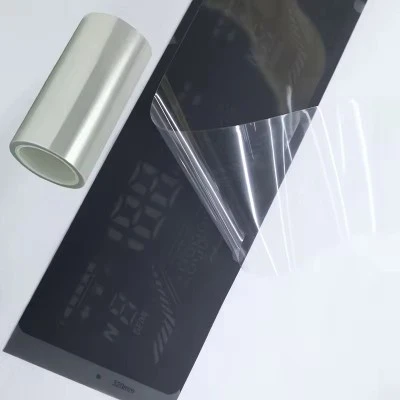

Acrylic foam is a remarkable material that has found its way into numerous industrial applications due to its unique properties. As an acrylic foam supplier, I've witnessed firsthand how this material's performance under compression is a crucial factor for many of our clients. In this blog post, I'll delve into the details of how acrylic foam performs under compression, exploring its characteristics, advantages, and real - world applications.
Understanding Acrylic Foam
Acrylic foam is a closed - cell foam made from acrylic polymers. It is known for its high strength, excellent adhesion, and resistance to environmental factors such as moisture, UV light, and temperature variations. The closed - cell structure of acrylic foam gives it a range of beneficial properties, including low water absorption and good shock absorption capabilities.
Compression Performance of Acrylic Foam
Elasticity and Recovery
One of the most notable features of acrylic foam under compression is its elasticity and recovery. When subjected to a compressive force, acrylic foam will deform. However, once the force is removed, it has the ability to return to its original shape. This property is essential in applications where the foam is used as a cushioning or sealing material. For example, in automotive applications, acrylic foam can be used to seal doors and windows. When the door is closed, the foam is compressed, creating a tight seal. When the door is opened again, the foam recovers its shape, ready to provide the same level of sealing next time.
The elasticity of acrylic foam is determined by its chemical composition and cell structure. Foams with a more uniform cell structure and appropriate polymer cross - linking tend to have better elasticity and recovery. Our company has spent years researching and developing acrylic foams with optimized cell structures to ensure superior compression performance.
Compressive Strength
Compressive strength is another key aspect of acrylic foam's performance under compression. It refers to the maximum amount of compressive force that the foam can withstand before it fails. The compressive strength of acrylic foam can vary significantly depending on its density, thickness, and formulation.
Higher - density acrylic foams generally have higher compressive strengths. For industrial applications where heavy loads are involved, such as in machinery mounting or structural bonding, high - density acrylic foams are often preferred. These foams can withstand significant compressive forces without permanent deformation, ensuring long - term stability and performance.
Creep Resistance
Creep is the gradual deformation of a material over time under a constant load. In applications where acrylic foam is under continuous compression, creep resistance is an important consideration. Good creep resistance means that the foam will maintain its shape and performance over an extended period, even when subjected to a constant compressive force.
Our acrylic foams are formulated with additives and polymers that enhance their creep resistance. This is particularly important in applications such as gasketing, where a consistent seal must be maintained over long periods. For example, in a chemical processing plant, acrylic foam gaskets need to resist creep to prevent leaks, even when exposed to high - pressure fluids and gases.
Real - World Applications
Automotive Industry
In the automotive industry, acrylic foam is widely used for a variety of purposes. It is used in interior applications such as dashboard assembly, where it provides vibration damping and cushioning. The foam's ability to perform well under compression ensures that it can withstand the constant vibrations and movements in a vehicle without losing its properties.
Externally, acrylic foam is used for sealing doors, windows, and body panels. The compression performance of the foam is critical in creating a watertight and airtight seal, which helps to improve the vehicle's energy efficiency and reduce noise levels inside the cabin. For instance, the 3M VHB RP45 Acrylic Foam Tape – Double - Sided High Bonding Tape For Industrial Applications is a popular choice in the automotive industry due to its excellent compression performance and strong adhesion.
Construction Industry
In the construction industry, acrylic foam is used for structural bonding, sealing, and insulation. When used as a structural adhesive, the foam's compression performance is essential for transferring loads between different building components. For example, in curtain wall installations, acrylic foam tapes are used to bond glass panels to the building structure. The foam must be able to withstand the compressive forces caused by wind loads and the weight of the glass panels without failing.
As a sealing material, acrylic foam provides a reliable barrier against water, air, and dust. Its ability to recover from compression ensures that the seal remains intact even when the building structure experiences minor movements due to temperature changes or seismic activity.
Electronics Industry
In the electronics industry, acrylic foam is used for shock absorption, cushioning, and EMI (electromagnetic interference) shielding. Electronic devices are often subject to vibrations and impacts during transportation and use. Acrylic foam's compression performance allows it to absorb these shocks and protect the delicate electronic components inside.
For example, in mobile phones and tablets, acrylic foam pads are used to cushion the battery and other internal components. The foam's ability to recover from compression ensures that it can continue to provide effective shock absorption over the device's lifespan.
Factors Affecting Compression Performance
Temperature
Temperature has a significant impact on the compression performance of acrylic foam. At low temperatures, the foam becomes more rigid, which can reduce its elasticity and recovery. On the other hand, at high temperatures, the foam may soften, leading to a decrease in compressive strength and an increase in creep.
Our company has developed acrylic foams with a wide temperature range of operation. These foams are formulated to maintain their compression performance across different temperature conditions, making them suitable for a variety of environments.
Moisture
Moisture can also affect the compression performance of acrylic foam. If the foam absorbs water, it can lead to a decrease in its mechanical properties, such as compressive strength and elasticity. However, the closed - cell structure of acrylic foam provides good resistance to moisture absorption.
In applications where the foam is exposed to high - humidity environments or direct contact with water, we recommend using acrylic foams with additional moisture - resistant coatings or additives. These measures can further enhance the foam's performance and durability in wet conditions.
Testing and Quality Assurance
As an acrylic foam supplier, we understand the importance of ensuring the quality and performance of our products. We conduct a series of tests to evaluate the compression performance of our acrylic foams.
Compression tests are carried out using specialized equipment to measure the foam's compressive strength, elasticity, and recovery. These tests are performed under different conditions, including varying temperatures and humidity levels, to simulate real - world applications.


In addition to compression tests, we also perform other quality control tests, such as adhesion tests, chemical resistance tests, and aging tests. These comprehensive tests ensure that our acrylic foams meet the highest standards of quality and performance.
Conclusion
The performance of acrylic foam under compression is a complex but crucial aspect of its application in various industries. Its elasticity, compressive strength, creep resistance, and ability to perform under different environmental conditions make it a versatile and reliable material.
As an acrylic foam supplier, we are committed to providing our customers with high - quality acrylic foams that offer superior compression performance. Whether you are in the automotive, construction, or electronics industry, our products can meet your specific requirements.
If you are interested in learning more about our acrylic foams or have a specific application in mind, please don't hesitate to contact us. We are here to help you find the best acrylic foam solution for your needs. Our team of experts can provide you with detailed technical information and support to ensure a successful procurement process. Let's start a conversation about how our acrylic foams can enhance your products and applications.
References
- "Handbook of Foam Materials" - A comprehensive guide on the properties and applications of various foam materials.
- "Polymer Science and Engineering" - This textbook provides in - depth knowledge of polymer chemistry and its relation to material properties, including the compression performance of acrylic foams.
- Industry research reports on the use of acrylic foam in automotive, construction, and electronics industries.


