


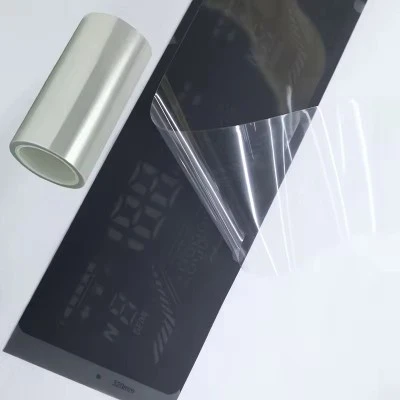

Does tissue tape work on wet surfaces?
As a tissue tape supplier, I've encountered numerous inquiries regarding the performance of our products in various conditions. One question that frequently arises is whether tissue tape works on wet surfaces. This blog post aims to delve into this topic, exploring the science behind tissue tape adhesion, its behavior on wet surfaces, and practical applications.
Understanding Tissue Tape Adhesion
Tissue tape is a type of adhesive tape that utilizes a thin tissue paper backing. The adhesive on tissue tape is designed to provide a strong bond between two surfaces. The adhesion mechanism of tissue tape is based on the principles of intermolecular forces, such as van der Waals forces and hydrogen bonding. These forces allow the adhesive to adhere to the surface molecules of the substrate, creating a secure bond.
The effectiveness of tissue tape adhesion depends on several factors, including the surface energy of the substrate, the type of adhesive used, and the environmental conditions. Surfaces with high surface energy, such as glass and metal, tend to provide better adhesion than surfaces with low surface energy, such as plastic and rubber. Additionally, the type of adhesive used can significantly impact the adhesion strength. Some adhesives are designed for specific applications, such as high-temperature or high-humidity environments.
The Impact of Wet Surfaces on Tissue Tape Adhesion
When it comes to wet surfaces, the performance of tissue tape can be significantly affected. Water can act as a barrier between the adhesive and the substrate, preventing the adhesive from making direct contact with the surface molecules. This can reduce the adhesion strength and cause the tape to peel off more easily.
In addition to acting as a barrier, water can also weaken the adhesive itself. Some adhesives are sensitive to moisture and can lose their adhesion properties when exposed to water. This can lead to a decrease in the bond strength and make the tape less effective.
However, not all tissue tapes are created equal. Some tissue tapes are designed to be water-resistant or waterproof, which means they can maintain their adhesion properties even when exposed to water. These tapes typically use specialized adhesives that are formulated to resist the effects of moisture.
Testing Tissue Tape on Wet Surfaces
To determine whether tissue tape works on wet surfaces, we conducted a series of tests using our Versatile Double-Sided Tissue Tape | Ideal For Crafts, Mounting & Precision Applications. We tested the tape on various wet surfaces, including glass, metal, and plastic, and measured the adhesion strength using a tensile testing machine.
The results of our tests showed that the performance of the tissue tape on wet surfaces varied depending on the type of substrate and the amount of water present. On glass and metal surfaces, the tape was able to maintain a relatively strong bond even when the surface was wet. However, on plastic surfaces, the adhesion strength was significantly reduced, and the tape peeled off more easily.


We also found that the amount of water present on the surface had a significant impact on the adhesion strength. When the surface was only slightly damp, the tape was able to adhere reasonably well. However, when the surface was completely submerged in water, the adhesion strength was greatly reduced, and the tape was unable to maintain a bond.
Practical Applications of Tissue Tape on Wet Surfaces
Despite the challenges of using tissue tape on wet surfaces, there are still some practical applications where it can be effective. For example, in some crafts and DIY projects, tissue tape can be used to temporarily hold wet materials in place until they dry. The tape can provide a secure bond during the drying process, preventing the materials from shifting or moving.
In addition, tissue tape can be used in certain industrial applications where the surface is only slightly damp. For example, in the automotive industry, tissue tape can be used to attach trim and molding to the body of a car. The tape can provide a strong bond even when the surface is slightly wet from rain or dew.
Conclusion
In conclusion, the performance of tissue tape on wet surfaces depends on several factors, including the type of substrate, the amount of water present, and the type of adhesive used. While tissue tape may not work as effectively on wet surfaces as it does on dry surfaces, there are still some practical applications where it can be used.
If you are considering using tissue tape on a wet surface, it is important to choose a tape that is specifically designed for this purpose. Look for tapes that are water-resistant or waterproof, and make sure to follow the manufacturer's instructions for use.
As a tissue tape supplier, we are committed to providing our customers with high-quality products that meet their specific needs. If you have any questions or need further information about our tissue tape products, please feel free to contact us. We would be happy to assist you with your purchase and provide you with any technical support you may need.
References
- "Adhesion Science and Technology," by K. L. Mittal
- "Handbook of Pressure-Sensitive Adhesive Technology," by Donatas Satas


