


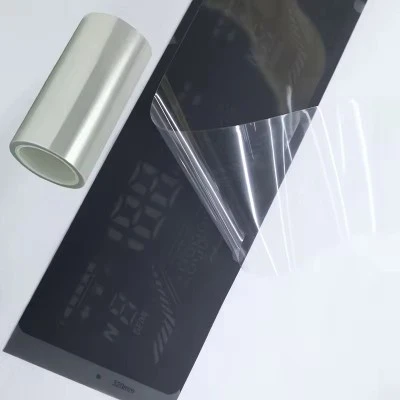

When it comes to industrial adhesives, finding a tape that works effectively on various surfaces is crucial. One question that often arises among professionals and DIY enthusiasts alike is, "Does Sekisui tape work on rubber surfaces?" As a trusted supplier of Sekisui tape, I'm here to provide you with comprehensive insights into its performance on rubber and explore the reasons behind its effectiveness.
Understanding Rubber Surfaces
Rubber is a versatile material known for its elasticity, durability, and resistance to abrasion. It is used in a wide range of applications, from automotive parts and sealing gaskets to household items and electronic devices. However, the unique properties of rubber can pose challenges when it comes to bonding. Rubber surfaces are often smooth and non-porous, which can make it difficult for adhesives to form a strong and lasting bond. Additionally, rubber may contain additives or plasticizers that can migrate to the surface, interfering with the bonding process.
Sekisui Tape: A Proven Solution
Sekisui tape is renowned for its high-strength bonding capabilities and exceptional durability. It is designed to provide a reliable solution for a variety of applications, including those involving rubber surfaces. Here are some reasons why Sekisui tape is an excellent choice for bonding rubber:
1. Advanced Adhesive Technology
Sekisui uses state-of-the-art adhesive technology to develop tapes that offer superior bonding performance. Their adhesives are formulated to adhere to a wide range of surfaces, including rubber. These adhesives are designed to penetrate the surface of the rubber, creating a strong and lasting bond that can withstand the rigors of everyday use.
2. Versatility
Sekisui offers a diverse range of tapes, each designed to meet specific bonding requirements. Whether you need a tape for temporary or permanent bonding, low or high-temperature applications, or for use in wet or dry environments, Sekisui has a solution. This versatility makes it easy to find the right tape for your rubber bonding project.
3. Resistance to Environmental Factors
Rubber is often exposed to various environmental factors, such as heat, cold, moisture, and chemicals. Sekisui tapes are engineered to resist these factors, ensuring that the bond remains strong and intact over time. This resistance makes Sekisui tape suitable for use in a wide range of industries, including automotive, electronics, and construction.
Specific Sekisui Tapes for Rubber Bonding
Let's take a closer look at some of the Sekisui tapes that are particularly well-suited for rubber surfaces:

![`%GB509{86]CU54C(QP)]6M](/uploads/44660/sekisui-7800-tape-high-strength-double-coated3fcca.jpg)
Sekisui Premium Double-Sided Industrial Adhesive Tape — High-Strength, Durable Bonding For Metal, Plastic, Glass & More
This premium double-sided tape offers high-strength bonding for a variety of materials, including rubber. It features a strong adhesive that provides a reliable bond, even in demanding applications. The tape is also resistant to temperature variations, moisture, and chemicals, making it suitable for use in harsh environments.
Sekisui 7800 Tape: High-Strength Double-Coated Foam Tape For Industrial Bonding & Vibration Damping
The Sekisui 7800 tape is a high-strength double-coated foam tape that is ideal for industrial bonding and vibration damping applications. It offers excellent adhesion to rubber surfaces, providing a strong and durable bond. The foam core of the tape also helps to absorb shock and vibration, making it suitable for use in automotive and machinery applications.
Double-Faced Adhesive Tapes Sekisui 3800 Series: Precision Bonding For Display Modules
The Sekisui 3800 series of double-faced adhesive tapes is designed for precision bonding in display modules. These tapes offer high adhesion to rubber and other materials, ensuring a secure and reliable bond. They are also resistant to heat, moisture, and UV light, making them suitable for use in electronic devices and other applications where durability is essential.
Tips for Using Sekisui Tape on Rubber Surfaces
To ensure the best possible results when using Sekisui tape on rubber surfaces, follow these tips:
- Clean the Surface: Before applying the tape, clean the rubber surface thoroughly to remove any dirt, grease, or debris. This will help to ensure that the adhesive can form a strong bond with the surface.
- Apply Pressure: After applying the tape, apply firm pressure to ensure that it adheres evenly to the rubber surface. This can be done using a roller or by pressing down firmly with your hand.
- Allow Time for Bonding: Give the tape time to fully bond with the rubber surface. This may take several hours or even days, depending on the type of tape and the environmental conditions.
- Test the Bond: Before using the bonded rubber parts in a critical application, test the bond to ensure that it is strong enough. This can be done by applying a small amount of stress to the bonded area and checking for any signs of failure.
Conclusion
In conclusion, Sekisui tape is an excellent choice for bonding rubber surfaces. Its advanced adhesive technology, versatility, and resistance to environmental factors make it a reliable solution for a wide range of applications. Whether you are working on an automotive project, a household repair, or an industrial application, Sekisui tape can provide the strong and lasting bond you need.
If you are interested in purchasing Sekisui tape for your rubber bonding needs, please feel free to contact us. We are a leading supplier of Sekisui tape and can provide you with the products and support you need to ensure the success of your project.
References
- Manufacturer's product documentation for Sekisui tapes.
- Industry research on adhesive bonding to rubber surfaces.


