


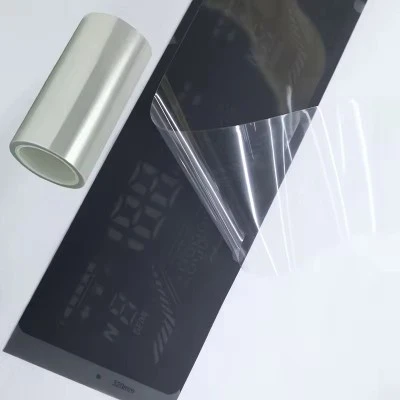

As a PTFE tape supplier, I often encounter questions from customers regarding the performance of PTFE tape, especially its adhesion to plastic surfaces. This blog post aims to delve into the science behind PTFE tape's adhesion to plastic, providing a comprehensive analysis based on industry knowledge and practical experience.
Understanding PTFE Tape
PTFE, or polytetrafluoroethylene, is a synthetic fluoropolymer known for its exceptional chemical resistance, low friction coefficient, and high-temperature stability. These properties make PTFE tape a popular choice in various industries, including plumbing, electrical, and automotive. PTFE tape is commonly used for sealing threads, insulation, and protecting surfaces from corrosion and abrasion.
Adhesion Mechanisms
Adhesion is the process by which two materials stick together. There are several mechanisms that contribute to adhesion, including mechanical interlocking, chemical bonding, and intermolecular forces.
- Mechanical Interlocking: This occurs when the surface of one material is rough or porous, allowing the adhesive to penetrate and form a physical bond. However, PTFE has a very smooth surface, which limits its ability to mechanically interlock with other materials.
- Chemical Bonding: Chemical bonding involves the formation of covalent or ionic bonds between the adhesive and the substrate. PTFE is chemically inert, meaning it does not readily react with other substances. This makes it difficult for PTFE tape to form strong chemical bonds with plastic surfaces.
- Intermolecular Forces: Intermolecular forces, such as van der Waals forces and hydrogen bonding, play a significant role in adhesion. These forces are relatively weak but can contribute to the overall adhesion strength. PTFE has a low surface energy, which means it has a weak attraction to other materials. This can make it challenging for PTFE tape to adhere to plastic surfaces.
Factors Affecting Adhesion
Several factors can affect the adhesion of PTFE tape to plastic surfaces, including:
- Surface Preparation: Proper surface preparation is crucial for achieving good adhesion. The plastic surface should be clean, dry, and free of any contaminants, such as oil, grease, or dust. Cleaning the surface with a mild detergent and water, followed by a rinse with isopropyl alcohol, can help remove any contaminants and improve adhesion.
- Plastic Type: Different types of plastics have different surface energies and chemical compositions, which can affect the adhesion of PTFE tape. For example, plastics with high surface energies, such as polycarbonate and acrylic, tend to have better adhesion to PTFE tape than plastics with low surface energies, such as polyethylene and polypropylene.
- PTFE Tape Properties: The properties of the PTFE tape, such as thickness, density, and surface finish, can also affect its adhesion to plastic surfaces. Thicker tapes may provide better mechanical support and adhesion, while tapes with a rougher surface finish may have better mechanical interlocking.
- Application Conditions: The application conditions, such as temperature, humidity, and pressure, can also affect the adhesion of PTFE tape to plastic surfaces. Higher temperatures can increase the mobility of the molecules in the tape and the plastic, which can improve adhesion. However, excessive heat can also cause the tape to melt or degrade, reducing its adhesion strength.
Testing Adhesion
To determine the adhesion strength of PTFE tape to plastic surfaces, several testing methods can be used, including:


- Peel Test: The peel test measures the force required to peel the tape from the plastic surface at a specified angle and speed. This test provides an indication of the tape's adhesion strength and can be used to compare different tapes or surface treatments.
- Shear Test: The shear test measures the force required to slide the tape along the plastic surface. This test provides an indication of the tape's resistance to shear forces and can be used to evaluate its performance in applications where the tape is subjected to lateral forces.
- Tensile Test: The tensile test measures the force required to pull the tape apart from the plastic surface. This test provides an indication of the tape's overall strength and can be used to evaluate its performance in applications where the tape is subjected to tensile forces.
Our PTFE Tape Products
At our company, we offer a wide range of PTFE tape products that are designed to provide excellent adhesion to plastic surfaces. Our products include:
- 0.025mm Pure Teflon Film – Ultra-Thin, High-Performance Fluoropolymer Solution: This ultra-thin PTFE film is ideal for applications where a high level of flexibility and conformability is required. It has excellent chemical resistance and low friction properties, making it suitable for use in a variety of industries.
- Poly Temp PTFE Tape 0.13mm – High-Performance Teflon Cloth Tape for Extreme Conditions: This high-performance PTFE tape is designed for use in extreme conditions, such as high temperatures and chemical environments. It has excellent mechanical strength and adhesion properties, making it suitable for use in applications where a reliable seal is required.
- Teflon Tape: Reliable Sealing and Insulation From 0.08mm To 0.18mm: This Teflon tape is available in a range of thicknesses, from 0.08mm to 0.18mm, and is designed to provide reliable sealing and insulation in a variety of applications. It has excellent chemical resistance and low friction properties, making it suitable for use in plumbing, electrical, and automotive applications.
Conclusion
In conclusion, the adhesion of PTFE tape to plastic surfaces depends on several factors, including the surface preparation, plastic type, PTFE tape properties, and application conditions. While PTFE tape has some limitations in terms of adhesion due to its low surface energy and chemical inertness, proper surface preparation and the use of high-quality tape can help improve adhesion. At our company, we offer a wide range of PTFE tape products that are designed to provide excellent adhesion to plastic surfaces. If you have any questions or need further information about our products, please feel free to contact us to discuss your specific requirements and explore potential purchasing opportunities.
References
- Brown, W. (2007). Adhesion and Adhesives Technology: An Introduction. CRC Press.
- Mittal, K. L. (Ed.). (2011). Adhesion Science and Engineering: Surfaces, Chemistry, and Applications. Elsevier.
- ASTM International. (2019). Standard Test Methods for Peel Adhesion of Pressure-Sensitive Tape. ASTM D3330/D3330M-19.


