


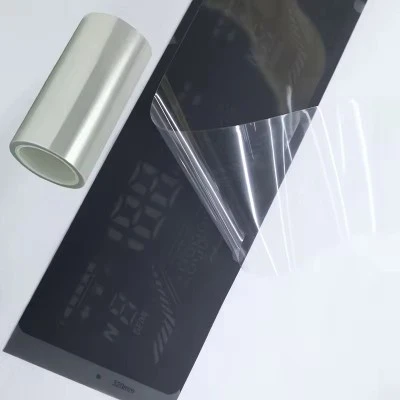

Can tissue tape be used on wood? This is a question that often pops up among DIY enthusiasts, crafters, and professionals in various industries. As a tissue tape supplier, I'm here to provide you with a comprehensive answer based on scientific knowledge and practical experience.
Understanding Tissue Tape
Tissue tape is a type of adhesive tape made from thin, flexible tissue paper backing. It is typically coated with an adhesive on one or both sides. The tissue paper backing gives the tape its flexibility and conformability, making it suitable for a wide range of applications. There are different types of tissue tapes available in the market, including single - sided and double - sided tapes. Double - sided tissue tape, in particular, is highly versatile and can be used for bonding two surfaces together. For example, Versatile Double - Sided Tissue Tape | Ideal For Crafts, Mounting & Precision Applications is a product that offers excellent adhesion and is designed for various precision applications.
The Properties of Wood
Wood is a natural material with unique properties. It is porous, which means it can absorb moisture and other substances. The porosity of wood can vary depending on the type of wood. Hardwoods, such as oak, maple, and walnut, are generally denser and less porous than softwoods like pine, cedar, and fir. The surface of wood can also be rough or smooth, depending on how it has been treated and finished. These properties of wood play a crucial role in determining whether tissue tape can be used effectively on it.
Factors Affecting the Use of Tissue Tape on Wood
Adhesion
The adhesion of tissue tape to wood depends on several factors. Firstly, the type of adhesive used in the tissue tape is important. Some adhesives are formulated to bond well with porous surfaces like wood, while others may not. For example, acrylic adhesives are known for their good adhesion to a wide range of materials, including wood. They can form a strong bond with the wood surface by penetrating into the pores to some extent.
Secondly, the surface condition of the wood matters. A clean, dry, and smooth surface will generally provide better adhesion for the tissue tape. If the wood surface has dust, oil, or other contaminants, it can prevent the tape from bonding properly. Therefore, it is recommended to clean the wood surface with a mild detergent and dry it thoroughly before applying the tissue tape.
Porosity
As mentioned earlier, wood is porous. The porosity of the wood can affect how well the tissue tape adheres. In highly porous wood, the adhesive may seep into the pores, reducing the amount of adhesive available on the surface for bonding. This can result in a weaker bond. On the other hand, in less porous wood, the adhesive can form a more effective bond on the surface.
Durability
The durability of the bond between tissue tape and wood is also an important consideration. Wood can expand and contract with changes in temperature and humidity. If the tissue tape does not have sufficient flexibility to accommodate these movements, the bond may break over time. Additionally, exposure to sunlight, moisture, and other environmental factors can also affect the durability of the tape. For outdoor applications, a tissue tape with good weather - resistance properties is required.
Applications of Tissue Tape on Wood
Crafts
Tissue tape is widely used in wood - related crafts. For example, in decoupage, tissue tape can be used to attach decorative paper or fabric to a wooden surface. The flexibility of the tissue tape allows it to conform to the shape of the wood, creating a smooth and seamless finish. In model making, tissue tape can be used to hold small wooden parts together during assembly.
Mounting
Tissue tape can be used for mounting wooden objects on walls or other surfaces. Double - sided tissue tape is ideal for this purpose as it provides a strong bond without the need for nails or screws, which can damage the wood. It is commonly used in picture framing, where wooden frames are mounted on walls.
Precision Applications
In some precision woodworking applications, tissue tape can be used for temporary bonding or masking. For example, when sanding a wooden surface, tissue tape can be used to mask off areas that should not be sanded. It can also be used to hold small wooden components in place during machining operations.
Testing Tissue Tape on Wood
Before using tissue tape on a large wooden project, it is advisable to conduct a small - scale test. Cut a small piece of the tissue tape and apply it to an inconspicuous area of the wood. Make sure the wood surface is clean and dry. Press the tape firmly onto the wood and leave it for a few hours or according to the manufacturer's instructions. Then, try to peel the tape off gently. If the tape leaves behind a strong bond and does not damage the wood surface, it is likely to work well for your project.
Comparing Tissue Tape with Other Adhesives for Wood
There are several other types of adhesives available for use on wood, such as wood glue, epoxy, and contact cement. Each has its own advantages and disadvantages compared to tissue tape.
Wood glue is specifically formulated for bonding wood. It provides a very strong and permanent bond, but it can be messy to work with and requires clamping for a certain period of time. Epoxy is a two - part adhesive that offers high strength and durability. However, it has a relatively long curing time and can be expensive. Contact cement provides an instant bond but requires careful application and can be difficult to reposition.
Tissue tape, on the other hand, is easy to use, does not require any special tools or clamping, and can be removed without damaging the wood in some cases. It is also suitable for temporary applications or when a less permanent bond is required.
Tips for Using Tissue Tape on Wood
- Surface Preparation: As mentioned earlier, clean and dry the wood surface thoroughly before applying the tissue tape. This will ensure the best possible adhesion.
- Application Pressure: Apply firm pressure when applying the tissue tape to the wood. This will help the adhesive to bond better with the wood surface. You can use a roller or your fingers to apply pressure evenly.
- Temperature and Humidity: Try to apply the tissue tape in a moderate temperature and humidity environment. Extreme temperatures and high humidity can affect the adhesion of the tape.
- Storage: Store the tissue tape in a cool, dry place. Exposure to heat and moisture can degrade the adhesive over time.
Conclusion
In conclusion, tissue tape can be used on wood in many situations. Its flexibility, ease of use, and ability to provide a relatively strong bond make it a suitable choice for various wood - related applications, including crafts, mounting, and precision work. However, it is important to consider the factors such as adhesion, porosity, and durability when using tissue tape on wood. By following the tips mentioned above and conducting a small - scale test, you can ensure a successful application.


If you are interested in purchasing tissue tape for your wood projects, please feel free to contact us. We offer a wide range of tissue tapes that are suitable for different applications. Our team of experts can also provide you with more information and advice on choosing the right tissue tape for your specific needs.
References
- "Adhesives and Sealants Handbook", edited by Andrew T. DiBenedetto
- "Wood Science and Technology", by Rudolf P. Stamm


