


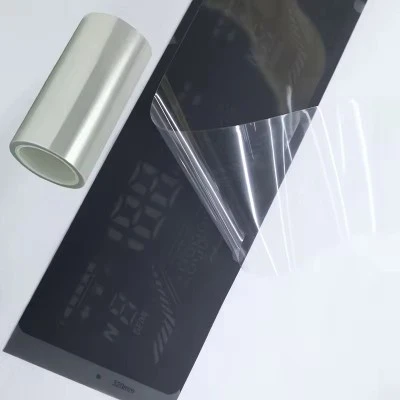

Can tissue tape be used on stone? This is a question that often arises among DIY enthusiasts, professional craftsmen, and those involved in various projects where stone is a key material. As a tissue tape supplier, I've encountered this query numerous times, and I'm here to provide a comprehensive answer based on scientific knowledge and practical experience.
Understanding Tissue Tape
First, let's delve into what tissue tape is. Tissue tape is a type of adhesive tape made from a thin, flexible tissue paper backing. It is known for its versatility, with applications ranging from crafts to mounting and precision work. Versatile Double-Sided Tissue Tape | Ideal For Crafts, Mounting & Precision Applications offers a prime example of the adaptability of tissue tape. The backing material gives it a certain level of conformability, allowing it to adhere to irregular surfaces to some extent. The adhesive used on tissue tape can vary, but common types include acrylic and rubber-based adhesives, each with its own set of properties.
Acrylic adhesives are known for their excellent weather resistance, clarity, and long - term stability. They can maintain their adhesion over a wide range of temperatures and are often used in applications where a strong, permanent bond is required. Rubber - based adhesives, on the other hand, offer high initial tack, which means they can stick quickly to a surface. They are more flexible than acrylic adhesives and are suitable for applications where some movement or flexibility is expected.
Properties of Stone
Stone is a diverse material with a wide range of properties. Different types of stone, such as granite, marble, limestone, and sandstone, have distinct characteristics. Granite is a hard, igneous rock known for its durability and resistance to scratching and heat. Marble is a metamorphic rock that is softer and more porous than granite, making it more susceptible to staining. Limestone is a sedimentary rock that is relatively soft and can be easily etched by acidic substances. Sandstone is also a sedimentary rock, with a porous structure that can vary in hardness depending on its composition.
The surface texture of stone can also vary greatly. Some stones have a smooth, polished finish, while others have a rough, textured surface. The porosity of the stone is another important factor. Porous stones can absorb moisture and other substances, which can affect the adhesion of tape.
Factors Affecting the Use of Tissue Tape on Stone
Surface Cleanliness
The cleanliness of the stone surface is crucial for successful adhesion. Any dirt, dust, oil, or other contaminants on the stone can prevent the tape from bonding properly. Before applying tissue tape, the stone surface should be thoroughly cleaned with a suitable cleaner. For non - porous stones like granite, a simple soap and water solution may be sufficient. For porous stones, a more specialized cleaner may be required to remove any absorbed substances. After cleaning, the surface should be dried completely to ensure optimal adhesion.
Surface Texture
As mentioned earlier, the surface texture of the stone plays a significant role. Smooth, polished stone surfaces generally provide better adhesion for tissue tape compared to rough, textured surfaces. On a smooth surface, the tape can make more contact with the stone, allowing the adhesive to bond effectively. On a rough surface, the tape may not be able to conform fully to the irregularities, resulting in a weaker bond. In some cases, additional preparation, such as sanding the surface to make it smoother, may be necessary.
Porosity
The porosity of the stone can also impact the use of tissue tape. Porous stones can absorb the adhesive from the tape, which may lead to a weaker bond over time. In addition, moisture absorbed by the stone can cause the tape to lose its adhesion. For porous stones, it may be necessary to use a primer or sealer to reduce the porosity before applying the tape. This can help to create a more stable surface for the tape to adhere to.
Temperature and Humidity
Temperature and humidity can affect the performance of both the tissue tape and the stone. Extreme temperatures can cause the tape to become brittle or lose its adhesion. High humidity can also affect the adhesive properties of the tape and may cause moisture to be absorbed by the stone, leading to adhesion problems. It is recommended to apply tissue tape to stone at a moderate temperature and humidity level.
Applications Where Tissue Tape Can Be Used on Stone
Crafts and Decorative Projects
In crafts and decorative projects, tissue tape can be used to attach small items to stone surfaces. For example, it can be used to attach beads, sequins, or small pieces of fabric to a stone ornament. The versatility of tissue tape makes it a convenient choice for these types of projects. It can be easily cut to the desired size and shape, and its conformability allows it to follow the contours of the stone.
Temporary Mounting
Tissue tape can be used for temporary mounting of stone pieces. For example, in a museum display or a construction site, tissue tape can be used to hold a small stone sample in place for a short period. The quick - sticking properties of rubber - based tissue tape make it suitable for this type of application. Once the temporary mounting is no longer needed, the tape can be removed without leaving significant residue on the stone.
Precision Work
In precision work, such as the assembly of small stone components, tissue tape can provide a precise and reliable bond. The thinness of the tissue tape allows for accurate placement, and the adhesive can hold the components in place during the assembly process.
Limitations of Using Tissue Tape on Stone
Load - Bearing Capacity
Tissue tape is not designed for heavy - duty, load - bearing applications on stone. It is suitable for light - weight items and temporary or semi - permanent bonds. For applications where a strong, long - term bond is required to support heavy loads, other fastening methods such as mechanical fasteners or epoxy adhesives may be more appropriate.
Long - Term Durability
While tissue tape can provide a good bond on stone in the short term, its long - term durability may be limited. Factors such as exposure to sunlight, moisture, and temperature fluctuations can cause the adhesive to degrade over time, leading to a loss of adhesion. For outdoor applications or applications where the tape will be exposed to harsh conditions, a more durable adhesive may be needed.


Testing and Evaluation
Before using tissue tape on a large - scale project, it is advisable to conduct a small - scale test. Cut a small piece of tissue tape and apply it to a discreet area of the stone. Leave the tape in place for a period of time, and then check the adhesion. Look for any signs of peeling, lifting, or loss of adhesion. If the test is successful, the tape can be used on the larger project. If there are any issues, alternative solutions should be considered.
Conclusion
In conclusion, tissue tape can be used on stone in certain applications, but it is important to consider the properties of the stone and the factors that can affect adhesion. By ensuring proper surface preparation, considering the surface texture, porosity, temperature, and humidity, and conducting appropriate testing, tissue tape can provide a reliable bond for light - weight, temporary, or semi - permanent applications on stone.
If you're interested in exploring the use of tissue tape for your stone projects, I encourage you to contact us for more information. We can provide you with samples of our tissue tape and offer expert advice on its application. Our team of professionals is dedicated to helping you find the best solution for your specific needs. Whether you're a DIY enthusiast or a professional craftsman, we're here to support you in your projects.
References
- "Handbook of Adhesives" by I. Skeist
- "Stone: Properties, Durability, and Conservation" by P. B. Vandiver, C. E. Smith, and D. R. Wheeler
- Manufacturer's specifications for tissue tape products


