



Hey there! As a tissue tape supplier, I often get asked all sorts of questions about our products. One query that pops up quite a bit is, "Can tissue tape be used on rubber?" It's a great question, and in this blog, I'm gonna dive deep into it.
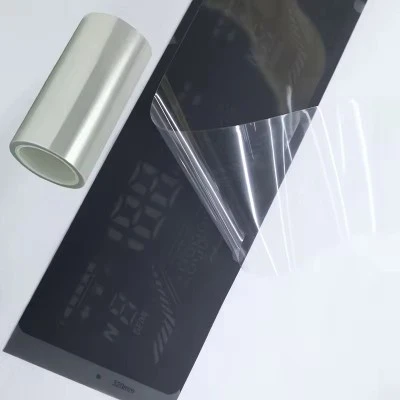
First off, let's talk a bit about what tissue tape is. Tissue tape is a type of tape that's made with a tissue paper backing. It's known for being lightweight, flexible, and easy to tear by hand. It comes in both single - sided and double - sided varieties. Double - sided tissue tape, in particular, is super versatile. You can check out our Versatile Double - Sided Tissue Tape | Ideal For Crafts, Mounting & Precision Applications for a great example of how useful it can be in various applications.
Now, let's get to the heart of the matter: using tissue tape on rubber. The short answer is, it depends. There are a few factors that come into play when deciding if tissue tape is a good fit for rubber surfaces.
Adhesive Compatibility
The adhesive on the tissue tape is crucial. Different adhesives have different properties, and not all of them will bond well with rubber. Some adhesives might be too weak to hold onto the rubber surface, while others could react with the rubber in a negative way.
For instance, if the rubber has a lot of plasticizers (substances added to make rubber more flexible), some adhesives might dissolve or interact with these plasticizers. This can lead to the tape losing its adhesion over time or even causing damage to the rubber surface.


On the other hand, there are adhesives formulated specifically to work well with rubber. These adhesives are designed to create a strong bond without causing any harm to the rubber. So, when you're thinking about using tissue tape on rubber, it's important to choose a tape with an adhesive that's compatible with rubber.
Surface Condition of the Rubber
The condition of the rubber surface also matters a great deal. If the rubber is dirty, oily, or has a layer of dust on it, the tape won't adhere properly. Before applying the tissue tape, you need to clean the rubber surface thoroughly.
You can use a mild detergent and water to clean the rubber. Make sure to dry it completely before applying the tape. If the rubber has a rough or textured surface, the tape might have a harder time adhering. In some cases, you might need to sand the surface lightly to create a smoother area for the tape to bond to.
Type of Rubber
Not all rubbers are the same. There are different types of rubber, such as natural rubber, synthetic rubber (like neoprene, nitrile, and silicone rubber), and each type has its own unique properties.
Natural rubber, for example, is more porous and can absorb some of the adhesive from the tape. This can either enhance the bond or cause the tape to dry out faster, depending on the adhesive. Synthetic rubbers, on the other hand, have different chemical compositions, and their interaction with the tape's adhesive can vary widely.
Silicone rubber, in particular, is known for being very difficult to bond to. Its low surface energy makes it challenging for most adhesives to stick. So, if you're dealing with silicone rubber, you'll need to find a specialized tissue tape with an adhesive that's designed to bond to silicone.
Applications Where Tissue Tape Can Work on Rubber
There are actually quite a few applications where tissue tape can be used effectively on rubber.
Crafts and DIY Projects
If you're into crafting or do - it - yourself projects, tissue tape can be a great option for attaching rubber pieces. For example, if you're making a custom keychain and want to attach a small rubber charm, tissue tape can hold it in place. The tape's flexibility allows it to conform to the shape of the rubber, and it won't add too much bulk.
Mounting Rubber Components
In some industrial or manufacturing settings, tissue tape can be used to mount rubber components. For instance, if you're assembling a piece of equipment and need to attach a rubber gasket or seal, tissue tape can provide a quick and easy way to hold it in place during the assembly process.
Temporary Fixes
Tissue tape can also be used for temporary fixes on rubber. If you have a small tear or a loose rubber part, you can use tissue tape to hold it together until you can get a proper repair. It's a handy solution for quick fixes around the house or in the workshop.
Testing the Tape on Rubber
Before using tissue tape on a large area of rubber, it's always a good idea to do a small test. Cut a small piece of the tape and apply it to a hidden or inconspicuous area of the rubber. Leave it for a few hours or even overnight and then check the adhesion.
If the tape comes off easily or if you notice any damage to the rubber, such as discoloration or softening, then the tape might not be suitable for your application. On the other hand, if the tape holds well and there are no negative effects on the rubber, then you can proceed with using it on the larger area.
Conclusion
So, can tissue tape be used on rubber? The answer is yes, but with some caveats. You need to consider the adhesive compatibility, the surface condition of the rubber, the type of rubber, and the specific application.
If you're in the market for tissue tape that can work well with rubber, we've got you covered. Our Versatile Double - Sided Tissue Tape | Ideal For Crafts, Mounting & Precision Applications is a great option to explore.
If you have any questions about using our tissue tape on rubber or want to discuss your specific requirements, don't hesitate to reach out. We're here to help you find the right tape for your needs. Whether you're a hobbyist, a manufacturer, or just looking for a quick fix, we can provide you with the best tissue tape solutions. Let's start a conversation about your tissue tape needs and see how we can assist you in your projects.
References
- "Handbook of Adhesives and Sealants"
- "Rubber Technology: Compounding, Testing, and Applications"


