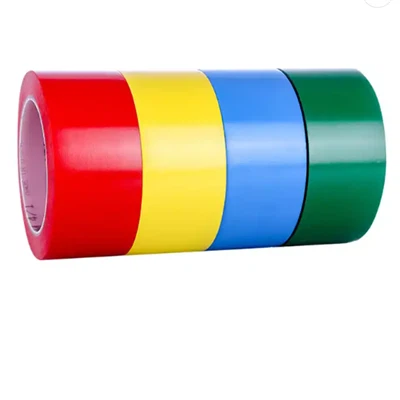
Can scapa tape be used for sealing?
As a dedicated supplier of Scapa tape, I often encounter inquiries from customers about the specific applications of our products, especially regarding their suitability for sealing purposes. In this blog post, I will delve into the technical details and real - world applications to answer the question: Can Scapa tape be used for sealing?


Understanding Scapa Tape
Scapa tape belongs to a family of specialized adhesive tapes that are engineered with high - performance materials and cutting - edge technology. Scapa offers a diverse range of tapes tailored to different industries and applications, from electrical insulation to automotive assembly and beyond. The unique formulations of Scapa tapes provide them with a variety of properties such as high adhesion, chemical resistance, and flexibility.
One of the key factors that determine the suitability of a tape for sealing is its ability to create a tight and durable barrier against air, moisture, dust, and other contaminants. Scapa tapes are designed with these requirements in mind. For instance, the adhesive used in Scapa tapes is formulated to bond strongly to a wide range of surfaces, including metals, plastics, and glass. This strong adhesion ensures that the tape remains firmly in place over time, even under challenging environmental conditions.
Sealing Applications of Scapa Tape
Electrical Sealing
In the electrical industry, sealing is crucial to prevent moisture and dust from entering electrical components, which can cause short - circuits and other malfunctions. Scapa 2517 EPR Self - Amalgamating Tape – High Voltage Insulation & Moisture - Sealing Tape For Electrical Applications is a prime example of a Scapa tape that excels in electrical sealing. This self - amalgamating tape forms a seamless, waterproof, and electrically insulating layer when wrapped around cables and connectors. The self - amalgamation process means that the tape fuses with itself rather than relying solely on an adhesive, creating a more reliable and long - lasting seal.
The EPR (Ethylene - Propylene Rubber) material used in the Scapa 2517 tape offers excellent resistance to ozone, weathering, and high temperatures. This makes it ideal for outdoor electrical installations where exposure to harsh environmental factors is a concern. Moreover, the tape's high dielectric strength ensures that it provides effective electrical insulation, further protecting electrical systems from damage.
Automotive Sealing
In the automotive industry, Scapa tapes are used for various sealing applications. For example, they can be used to seal joints between body panels to prevent water and air leakage. The flexibility of Scapa tapes allows them to conform to the complex shapes of automotive components, ensuring a tight seal. Additionally, the tapes' resistance to automotive fluids such as oil, gasoline, and coolant makes them suitable for use in engine compartments and other areas where exposure to these substances is likely.
Scapa tapes also play a role in acoustic sealing in vehicles. By sealing gaps and joints, they help to reduce noise transmission, improving the overall comfort of the vehicle's interior. The high - performance adhesives in Scapa tapes ensure that the seal remains intact even under the vibrations and movements associated with normal vehicle operation.
Packaging Sealing
In the packaging industry, Scapa tapes can be used to seal boxes, cartons, and other containers. The strong adhesion of the tapes ensures that packages remain securely closed during transit and storage. Scapa offers tapes with different levels of adhesion, allowing customers to choose the appropriate tape based on the specific requirements of their packaging. For example, for lightweight packaging, a tape with lower adhesion may be sufficient, while for heavy - duty packages, a tape with high - strength adhesion is recommended.
Some Scapa tapes also offer features such as resistance to tearing and puncture, which are important for protecting the contents of the package. Additionally, the tapes can be printed with custom logos and information, providing an opportunity for brand promotion.
Technical Properties Supporting Sealing
To better understand why Scapa tape is suitable for sealing, it is essential to examine its technical properties.
Adhesion
As mentioned earlier, the adhesion of Scapa tape is one of its most important features for sealing. The tapes are engineered to have high initial tack, which allows them to quickly adhere to surfaces. This initial adhesion is followed by a strong, long - term bond that can withstand various stresses. The type of adhesive used in Scapa tapes can vary depending on the application. For example, acrylic adhesives offer good temperature resistance and chemical resistance, while rubber - based adhesives provide high flexibility and excellent adhesion to a wide range of surfaces.
Cohesion
Cohesion refers to the internal strength of the tape. A tape with high cohesion will not break or split easily when subjected to stress. Scapa tapes are designed with high cohesion to ensure that the seal remains intact even when the tape is stretched or bent. This is particularly important in applications where the tape may be exposed to movement or vibration.
Weather Resistance
Scapa tapes are formulated to resist the effects of weather, including sunlight, rain, and extreme temperatures. UV stabilizers are often added to the tapes to prevent degradation caused by sunlight. The tapes' resistance to moisture and humidity also helps to maintain the integrity of the seal over time. In outdoor applications, such as electrical and automotive sealing, weather resistance is a critical property.
Case Studies
Let's take a look at some real - world case studies to illustrate the effectiveness of Scapa tape in sealing applications.
Case Study 1: Electrical Substation
A large electrical substation was experiencing problems with moisture ingress in its high - voltage cables. The substation management decided to use Scapa 2517 EPR Self - Amalgamating Tape for sealing the cable joints. After installation, the tape formed a durable and waterproof seal, effectively preventing moisture from entering the cables. This significantly reduced the risk of electrical failures and extended the lifespan of the cables.
Case Study 2: Automotive Manufacturer
An automotive manufacturer was looking for a solution to reduce wind noise in its vehicles. They implemented Scapa tapes to seal the gaps between the doors and the body panels. The tapes' high - performance adhesion and flexibility allowed them to create a tight seal, effectively reducing noise transmission. This improvement in cabin noise level enhanced the overall customer experience and positively impacted the vehicle's marketability.
Conclusion
In conclusion, Scapa tape can indeed be used for sealing in a wide range of applications. Its high - performance properties such as strong adhesion, good cohesion, and excellent weather resistance make it a reliable choice for creating tight and durable seals. Whether it is in the electrical, automotive, or packaging industry, Scapa tape offers effective solutions for protecting components from contaminants and ensuring the proper functioning of systems.
If you are in need of high - quality sealing solutions with Scapa tape, I encourage you to reach out for a detailed discussion. Our team of experts is ready to assist you in selecting the most suitable Scapa tape product for your specific requirements. We can provide you with samples, technical data, and pricing information to help you make an informed decision. Don't hesitate to contact us for procurement and further discussions.
References
- Product literature provided by Scapa
- Industry reports on adhesive tape applications in electrical, automotive, and packaging industries