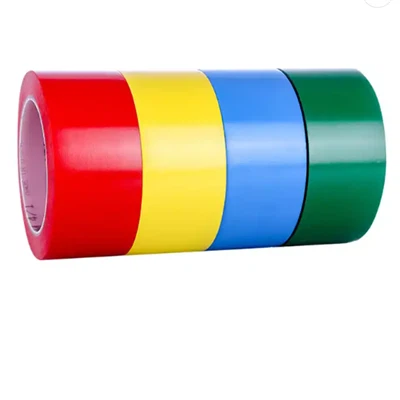
Hey there! As a PTFE tape supplier, I often get asked all sorts of questions about our products. One question that pops up quite a bit is, "Can PTFE tape be used for cryogenic applications?" Well, let's dive right into it and find out.
First off, let's talk a bit about what PTFE tape is. PTFE stands for polytetrafluoroethylene, which is a synthetic fluoropolymer. It's known for its amazing properties like high chemical resistance, low friction, and excellent electrical insulation. These features make it a popular choice in a wide range of industries.
Now, when it comes to cryogenic applications, we're talking about extremely low temperatures, usually below -150°C (-238°F). Cryogenic environments are found in things like liquid nitrogen storage, superconducting magnets, and some aerospace applications. So, can our trusty PTFE tape handle these frigid conditions?
The short answer is yes, PTFE tape can generally be used for cryogenic applications, but there are some things to keep in mind.
One of the great things about PTFE is its low coefficient of thermal expansion. This means that as the temperature drops in a cryogenic environment, the tape won't shrink or expand too much. This is super important because if a material expands or contracts too much, it can cause leaks or damage to the equipment. For example, in a cryogenic piping system, a tape with a high coefficient of thermal expansion could start to pull away from the joints as the temperature drops, leading to leaks of the cryogenic fluid.
PTFE also has excellent chemical resistance, which is crucial in cryogenic applications. Cryogenic fluids can be highly reactive, and PTFE's resistance to chemicals helps protect the tape from degradation. This ensures that the tape maintains its integrity and performance over time.
However, not all PTFE tapes are created equal when it comes to cryogenic use. The thickness and quality of the tape can make a big difference. Thicker tapes may be more suitable for some cryogenic applications as they can provide better insulation and mechanical strength.
For instance, our Poly Temp PTFE Tape 0.13mm – High-Performance Teflon Cloth Tape for Extreme Conditions is a great option for cryogenic applications. Its 0.13mm thickness gives it extra durability and insulation properties, making it better able to withstand the harsh conditions of cryogenic environments.
Another factor to consider is the purity of the PTFE. Impurities in the tape can affect its performance at low temperatures. Our 0.025mm Pure Teflon Film – Ultra-Thin, High-Performance Fluoropolymer Solution is made from pure PTFE, which means it has fewer impurities and is more likely to perform well in cryogenic applications. The ultra-thin design also allows for more flexibility, which can be useful in some cryogenic setups.
But it's not just about the tape itself. The way it's installed also matters. In cryogenic applications, proper installation is crucial to prevent leaks. The tape needs to be wrapped tightly around the joints or surfaces to create a good seal. Any gaps or loose areas can lead to leaks, which can be dangerous and costly in a cryogenic system.
It's also important to note that while PTFE tape can handle cryogenic temperatures, it may become more brittle as the temperature drops. This means that it needs to be handled carefully during installation and use. If it's bent or flexed too much at low temperatures, it could crack or break.
Now, let's talk about some of the specific applications where PTFE tape can be used in cryogenics. In liquid nitrogen storage tanks, PTFE tape can be used to seal the joints of the piping system. This helps prevent the escape of the extremely cold liquid nitrogen, which could cause frostbite or other hazards.
In superconducting magnets, PTFE tape can be used for electrical insulation. The low temperatures in these magnets are necessary for the superconducting state, and PTFE's electrical insulation properties help maintain the integrity of the electrical circuits.
If you're in the aerospace industry, PTFE tape can be used in cryogenic fuel systems. These systems need to be leak-proof to ensure the safe operation of the aircraft. PTFE tape's chemical resistance and ability to seal joints make it a good choice for these applications.
So, to sum it up, PTFE tape can be a great option for cryogenic applications. But you need to choose the right tape, install it properly, and handle it with care.
If you're interested in our PTFE tapes for cryogenic applications, we have a range of products to choose from. Our Pure Teflon Film: Ultra-Thin To Standard Thickness (0.025 - 0.1mm) for Extreme Applications offers a variety of thicknesses to suit different needs.
If you have any questions or want to discuss your specific requirements, don't hesitate to reach out. We're here to help you find the best PTFE tape solution for your cryogenic applications. Whether you're a small research lab or a large industrial facility, we can provide the right product and support.


Let's work together to make your cryogenic systems more reliable and efficient. Contact us today to start the conversation about your PTFE tape needs.
References
- "Handbook of Cryogenic Engineering" by Richard W. Fast
- "PTFE: Properties and Applications" by various industry experts