


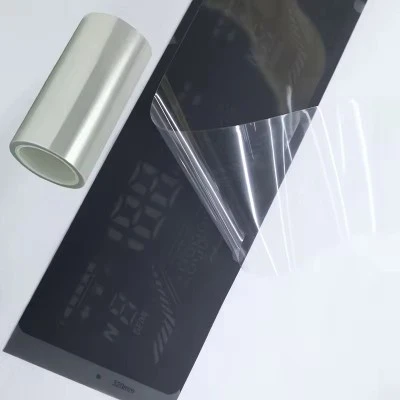

Hey there! I'm a supplier for Formex products, and I often get asked this question: "Can I modify templates in Formex?" Well, let's dive right into it and break things down.
First off, Formex is an amazing material that's widely used in the electronics and electrical equipment industry. Take the formex GK 17 Electrical Insulation Tape | UL94 V-0 Flame Retardant Insulation Material | Protection for Electronics & Electrical Equipment for example. It's got great flame - retardant properties and provides top - notch protection for all sorts of electronic and electrical stuff.
Now, back to the question of template modification. The short answer is yes, you can modify templates in Formex, but there are a few things you need to keep in mind.
Why Modify Templates?
There are several reasons why someone might want to modify Formex templates. Maybe you have a unique product design that requires a specific shape or size of the Formex material. For instance, if you're working on a new, compact electronic device, the standard templates might not fit your needs. You'd want to customize the template to ensure a perfect fit for your equipment.
Another reason could be related to cost - efficiency. Sometimes, modifying an existing template can save you money compared to creating a brand - new one from scratch. You can make minor adjustments to an available template and still get the functionality you need without spending a fortune on design and manufacturing.
How to Modify Templates
When it comes to modifying Formex templates, there are a few different approaches.
Manual Modification
One way is through manual modification. This involves using basic tools like scissors, knives, or punches. It's a relatively simple and cost - effective method, especially if you only need to make small changes. For example, if you just need to trim a little bit off the edges of a template to make it fit better in your device, you can do that with a good pair of scissors. However, this method is not very precise and might not be suitable for complex modifications.


CNC Machining
For more precise and complex modifications, CNC (Computer Numerical Control) machining is a great option. With CNC machining, you can program a machine to cut, drill, or shape the Formex material according to your exact specifications. This method allows for high - precision cuts and can create very intricate designs. But it does require some technical know - how and access to a CNC machine. If you don't have the equipment or the expertise in - house, you can always outsource the job to a professional machining service.
Laser Cutting
Laser cutting is another popular method for template modification. It offers high precision and can cut through Formex materials cleanly and quickly. Laser cutting is great for creating detailed shapes and patterns. The laser beam can be controlled with a high degree of accuracy, which means you can get very consistent results. However, like CNC machining, it requires specialized equipment and might be more expensive than manual methods.
Considerations Before Modifying
Before you start modifying Formex templates, there are a few important things to consider.
Material Properties
Formex has specific material properties that you need to take into account. For example, it has a certain level of flexibility and strength. If you make modifications that are too extreme, you might compromise these properties. For instance, cutting too many holes or making very thin sections could weaken the material and reduce its effectiveness as an insulation material.
Safety
Safety is always a top priority. When using tools like knives, punches, or operating CNC machines and laser cutters, you need to follow all the safety guidelines. Wear appropriate safety gear, such as gloves and goggles, and make sure you're familiar with how to operate the equipment safely. If you're outsourcing the modification work, make sure the service provider also follows strict safety protocols.
Compatibility
You also need to ensure that the modified template is compatible with your existing equipment and processes. For example, if you're using the Formex material in an assembly line, the modified template should fit smoothly into the production process without causing any disruptions.
Benefits of Modifying Templates
There are some great benefits to modifying Formex templates.
Customization
As I mentioned earlier, customization is a huge advantage. You can create a template that's tailored specifically to your product's needs. This can lead to better performance and a more professional - looking end product.
Cost Savings
Modifying an existing template can be more cost - effective than creating a new one. You can avoid the high costs associated with designing and tooling up for a brand - new template. This is especially beneficial for small - to - medium - sized businesses that are looking to keep their costs down.
Faster Turnaround
In some cases, modifying a template can result in a faster turnaround time compared to creating a new one. Since you're starting with an existing template, you can skip some of the initial design and development stages. This means you can get your product to market more quickly.
Challenges of Modifying Templates
Of course, there are also some challenges that come with modifying Formex templates.
Technical Expertise
As I mentioned before, methods like CNC machining and laser cutting require technical expertise. If you don't have the necessary skills in - house, you'll either have to train your staff or outsource the work. This can add to the cost and complexity of the project.
Quality Control
Ensuring consistent quality can be a challenge when modifying templates. You need to have a good quality control system in place to make sure that each modified template meets your standards. This might involve inspecting the templates at different stages of the modification process.
Regulatory Compliance
Formex materials are often used in industries that are subject to strict regulations. When you modify templates, you need to make sure that the modified products still comply with all the relevant regulations. For example, if the Formex material is used for electrical insulation, it needs to meet the appropriate safety standards.
In conclusion, modifying Formex templates is definitely possible and can offer a lot of benefits. Whether you're looking for customization, cost savings, or a faster turnaround time, there are ways to make it work. But you need to be aware of the considerations, challenges, and safety aspects involved.
If you're interested in learning more about Formex products or have any questions about template modification, feel free to reach out. We're here to help you find the best solutions for your needs. Let's start a conversation and see how we can work together to get the perfect Formex templates for your projects.
References
- General knowledge about Formex materials and manufacturing processes.
- Industry standards and regulations related to electrical insulation materials.


