


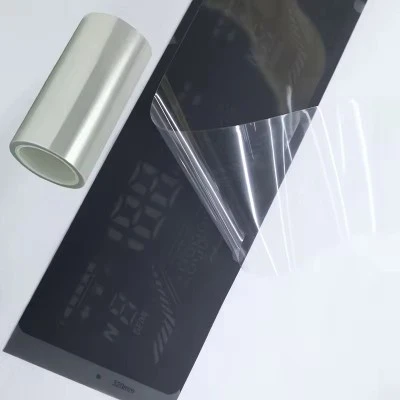

In the dynamic realm of communication equipment, the choice of materials is a critical factor that can significantly impact performance, reliability, and safety. As a seasoned fish paper supplier, I've witnessed firsthand the growing interest in whether fish paper can find its place within the intricate world of communication devices. In this blog post, we'll explore the properties of fish paper, its potential applications in communication equipment, and the considerations that come with its use.
Understanding Fish Paper
Fish paper, also known as vulcanized fiber, is a versatile material that has been used in various industries for decades. It is made from cellulose fibers that are chemically treated and compressed to form a dense, strong, and flexible sheet. The resulting material exhibits excellent electrical insulation properties, mechanical strength, and resistance to moisture, chemicals, and heat.
One of the key advantages of fish paper is its high dielectric strength, which means it can withstand high voltages without breaking down. This makes it an ideal choice for applications where electrical insulation is crucial, such as in motors, transformers, and electrical panels. Additionally, fish paper has good mechanical properties, including high tensile strength and tear resistance, which allows it to maintain its integrity under stress.


Potential Applications in Communication Equipment
Communication equipment encompasses a wide range of devices, from smartphones and tablets to routers, switches, and base stations. Each of these devices has unique requirements in terms of electrical insulation, mechanical protection, and thermal management. Let's explore some of the potential applications of fish paper in communication equipment:
Printed Circuit Boards (PCBs)
PCBs are the backbone of modern communication devices, providing the electrical connections and support for various components. Fish paper can be used as an insulating layer between different layers of the PCB to prevent short circuits and electromagnetic interference (EMI). Its high dielectric strength and flexibility make it suitable for use in high-density PCBs, where space is limited and the need for reliable insulation is paramount.
Connectors and Terminals
Connectors and terminals are used to establish electrical connections between different components in communication equipment. Fish paper can be used as an insulating sleeve or washer to prevent electrical contact between adjacent conductors and to provide mechanical protection against abrasion and vibration. Its resistance to moisture and chemicals also makes it suitable for use in harsh environments.
Antennas
Antennas are essential components of communication devices, responsible for transmitting and receiving electromagnetic signals. Fish paper can be used as a dielectric material in antenna design to improve the performance and efficiency of the antenna. Its high dielectric constant and low loss tangent make it suitable for use in high-frequency applications, where the need for precise control of electromagnetic waves is critical.
Enclosures and Housings
Enclosures and housings are used to protect communication equipment from environmental factors such as dust, moisture, and impact. Fish paper can be used as an insulating liner or barrier inside the enclosure to prevent electrical shock and to reduce electromagnetic radiation. Its fire-resistant properties also make it a suitable choice for use in applications where fire safety is a concern.
Considerations for Using Fish Paper in Communication Equipment
While fish paper offers many potential benefits for communication equipment, there are also some considerations that need to be taken into account before using it in a specific application. Here are some of the key factors to consider:
Electrical Properties
The electrical properties of fish paper, such as dielectric strength, dielectric constant, and loss tangent, can vary depending on the manufacturing process and the specific grade of the material. It is important to select a fish paper that meets the electrical requirements of the application and to ensure that it is properly tested and certified for use in communication equipment.
Mechanical Properties
The mechanical properties of fish paper, such as tensile strength, tear resistance, and flexibility, can also vary depending on the manufacturing process and the specific grade of the material. It is important to select a fish paper that has the appropriate mechanical properties for the application and to ensure that it can withstand the mechanical stresses and strains that it will be subjected to during use.
Thermal Properties
The thermal properties of fish paper, such as thermal conductivity and heat resistance, can also affect its performance in communication equipment. It is important to select a fish paper that has the appropriate thermal properties for the application and to ensure that it can dissipate heat effectively to prevent overheating and damage to the equipment.
Environmental Factors
Communication equipment is often exposed to a variety of environmental factors, such as moisture, chemicals, and temperature variations. It is important to select a fish paper that is resistant to these environmental factors and to ensure that it can maintain its performance and integrity over time.
Conclusion
In conclusion, fish paper has the potential to be a valuable material in communication equipment, offering excellent electrical insulation, mechanical strength, and resistance to moisture, chemicals, and heat. However, before using fish paper in a specific application, it is important to carefully consider its electrical, mechanical, thermal, and environmental properties and to ensure that it meets the requirements of the application.
As a fish paper supplier, we are committed to providing our customers with high-quality fish paper products that meet the highest standards of performance and reliability. We offer a wide range of fish paper grades and thicknesses to suit different applications, and we can also provide custom solutions to meet specific customer requirements.
If you are interested in learning more about the potential applications of fish paper in communication equipment or if you have any questions about our products, please don't hesitate to contact us. We would be happy to discuss your needs and to provide you with the information and support you need to make an informed decision.


