Hey there, camera enthusiasts and DIY repair wizards! Today, I'm gonna dive into a question that's been buzzing around in the camera repair community: Can aluminum tape be used for camera equipment repairs? As an aluminum tape supplier, I've seen firsthand the many uses of this versatile product, and I'm excited to share my insights with you.
What is Aluminum Tape?
Before we jump into whether aluminum tape can be used for camera repairs, let's quickly go over what it is. Aluminum tape is basically a tape made of aluminum foil with an adhesive backing. It comes in different thicknesses, widths, and adhesive strengths, and it's known for being durable, heat-resistant, and having good electrical conductivity.

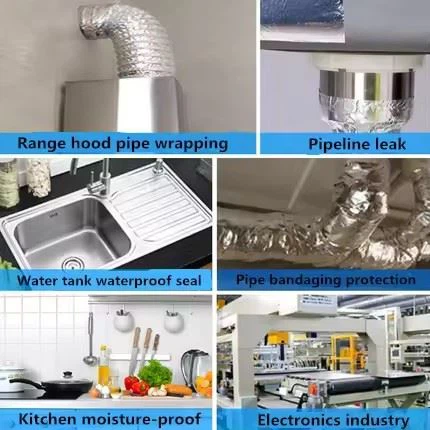
There are a bunch of different types of aluminum tape out there, each with its own unique features. For example, the Heat Resistant Aluminum Foil Tape 0.03mm – Premium High-Temp Sealing And Shielding Solution is super thin but can handle high temperatures, making it great for applications where heat is a concern. On the other hand, the Aluminum Foil Tape | Single Side Aluminum Tape | HVAC Ducts, Insulation, Heat Resistance & Shielding is a more general-purpose tape that can be used for a variety of tasks, from sealing ducts to insulating equipment. And if you need something even more heavy-duty, the High Temp Aluminum Foil Tape 0.06 – Heavy-Duty Heat Resistant Adhesive Tape is a thicker tape with a strong adhesive that can withstand extreme temperatures.
Potential Uses of Aluminum Tape in Camera Equipment Repairs
Now, let's get to the main question: Can aluminum tape be used for camera equipment repairs? The answer is a big yes! Here are some of the ways you can use aluminum tape to fix up your camera gear:
Electrical Shielding
Cameras are full of sensitive electronic components that can be affected by electromagnetic interference (EMI). Aluminum tape, with its excellent electrical conductivity, can be used to create a shield around these components to protect them from EMI. You can wrap the tape around cables or components to block out unwanted electrical signals and keep your camera functioning properly.
Heat Dissipation
Cameras can generate a lot of heat, especially when they're used for long periods of time or in high-temperature environments. Aluminum tape can help dissipate this heat by acting as a heat sink. You can apply the tape to areas of the camera where heat builds up, such as around the battery compartment or the image sensor, to help transfer the heat away and prevent overheating.
Securing Loose Parts
Over time, the parts inside a camera can become loose due to normal wear and tear. Aluminum tape can be used to secure these loose parts and prevent them from rattling around or coming loose completely. For example, you can use the tape to hold down a loose circuit board or to reinforce a cracked plastic housing.
Sealing Gaps
Cameras need to be sealed properly to keep out dust, moisture, and other contaminants. Aluminum tape can be used to seal gaps and cracks in the camera body or lens housing to prevent these contaminants from getting inside and causing damage. You can also use the tape to seal around the edges of the camera's LCD screen to prevent moisture from seeping in.
Considerations When Using Aluminum Tape for Camera Repairs
While aluminum tape can be a great tool for camera repairs, there are a few things you need to keep in mind before you start using it:
Compatibility
Not all aluminum tapes are created equal, and some may not be compatible with the materials used in your camera. Before you apply the tape, make sure to test it on a small, inconspicuous area of the camera to make sure it doesn't cause any damage or discoloration.
Adhesive Strength
The adhesive strength of the aluminum tape is also important. You want to make sure the tape will stick firmly to the surface of the camera without leaving any residue when it's removed. If the adhesive is too weak, the tape may come loose over time, and if it's too strong, it may damage the camera when you try to remove it.
Thickness
The thickness of the aluminum tape can also affect its performance. Thicker tapes are generally more durable and have better heat dissipation properties, but they may also be more difficult to work with and may not be suitable for all applications. Thinner tapes are more flexible and easier to apply, but they may not be as strong or durable.
Appearance
If you're using aluminum tape for a cosmetic repair, you'll want to make sure it looks good. Some aluminum tapes have a shiny finish, while others have a matte finish. Choose a tape that matches the appearance of your camera or that can be easily hidden.
Step-by-Step Guide to Using Aluminum Tape for Camera Repairs
If you've decided to give aluminum tape a try for your camera repairs, here's a step-by-step guide to help you get started:
Step 1: Gather Your Materials
You'll need a roll of aluminum tape, a pair of scissors, and a clean, dry cloth. Make sure the tape you choose is the right thickness and adhesive strength for your application.
Step 2: Clean the Surface
Before you apply the tape, clean the surface of the camera where you'll be applying it. Use a clean, dry cloth to remove any dust, dirt, or grease. This will help the tape stick better and prevent it from coming loose.
Step 3: Cut the Tape
Use a pair of scissors to cut the tape to the desired length and width. Make sure to cut the tape a little longer than you need to allow for any adjustments.
Step 4: Apply the Tape
Peel the backing off the tape and carefully apply it to the surface of the camera. Start at one end and smooth the tape down as you go, using your fingers or a clean cloth to remove any air bubbles. Make sure the tape is firmly attached to the surface and that there are no gaps or wrinkles.
Step 5: Trim the Edges
Once the tape is applied, use a pair of scissors to trim the edges of the tape so that they are flush with the surface of the camera. This will give the repair a clean, professional look.
Step 6: Let the Tape Set
Allow the tape to set for a few minutes to allow the adhesive to fully bond to the surface of the camera. This will help ensure that the tape stays in place and provides a long-lasting repair.
Conclusion
So, can aluminum tape be used for camera equipment repairs? Absolutely! With its many benefits and versatile applications, aluminum tape can be a great tool for fixing up your camera gear. Whether you need to shield against EMI, dissipate heat, secure loose parts, or seal gaps, there's an aluminum tape that can do the job.
If you're interested in using aluminum tape for your camera repairs, I'd love to help you find the right product for your needs. As an aluminum tape supplier, I have a wide range of tapes available, and I can provide you with expert advice and support. Just reach out to me, and we can start discussing your options.
References
- General knowledge about camera equipment and aluminum tape properties.
- Product information from our inventory of aluminum tapes.